Fair Payment Formula for Provinces
Economist Proposes Equalization Payment Reforms to Reduce Provincial Tensions and Resentment
Anonymous
A University of Calgary economist wants to overhaul how Canada divides money between rich and poor provinces. Trevor Tombe, writing for the Macdonald-Laurier Institute, says the current equalization formula creates resentment — and he has a simpler fix. National Post reported on his proposal this week.
Equalization payments are federal transfers that help poorer provinces fund public services. The current system calculates how much tax revenue each province can raise, then tops up those that fall short. Tombe argues this approach is outdated and easy to game.
Tombe's GDP Fix Would Replace the Current Formula
Tombe proposes tying equalization to GDP per capita — a measure of economic output per person — instead of provincial tax revenues. According to Edmonton Journal, this shift would make the formula harder for provinces to manipulate. Richer provinces sometimes structure their tax systems to look poorer and collect more federal money.
The new formula could also be adjusted for age demographics and regional price differences. An older population, for example, may need more spending on health care. Tombe says these adjustments would make the system fairer and more reflective of real provincial needs, The Province reported.
Natural Resources Debate Would Be Taken Off the Table
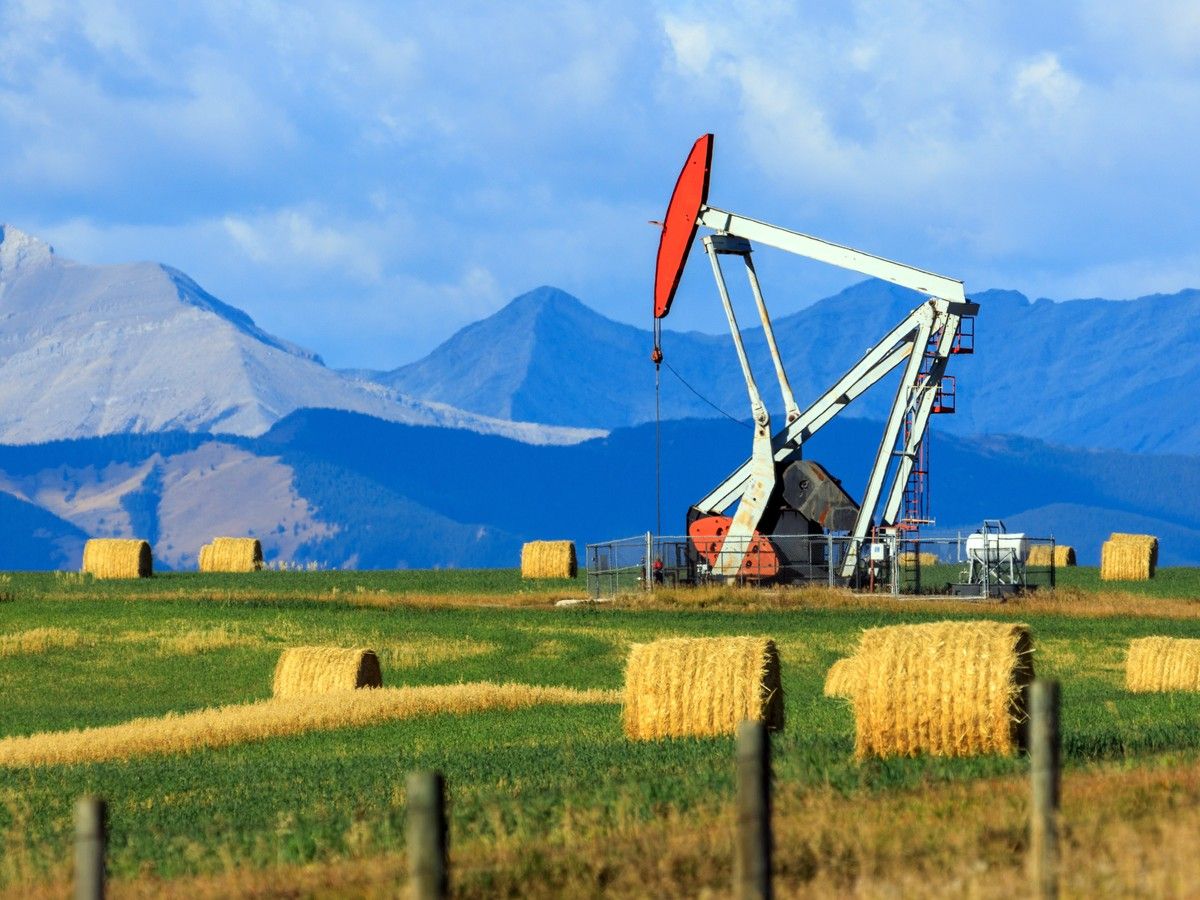
One of the bitterest fights in Canadian fiscal policy is how to treat natural resource revenues. Alberta and Saskatchewan have long complained that their oil and gas wealth is effectively penalized under the current system. Tombe's GDP-based approach would sidestep that argument entirely.
Because GDP captures overall economic activity rather than specific revenue sources, there would be no need to debate whether oil royalties count. Fort McMurray Today noted that Tombe sees this as a way to move past a decades-long political flashpoint between western and eastern provinces.
Harper-Era Growth Cap Comes Under Fire
Tombe's report also takes aim at a rule introduced by the Harper government in 2009. That rule requires total equalization payments to grow each year in line with recent national economic growth. Critics say this growth escalator can push payments higher even when poorer provinces are catching up economically.
Tombe argues the escalator weakens the link between need and payment size. If the economy grows fast, payments go up automatically — regardless of whether the gap between provinces has narrowed. He says scrapping it would make the program more responsive to actual conditions, according to Woodstock Sentinel Review.
Why Provincial Tensions Over Equalization Keep Growing
Equalization has become a lightning rod for regional anger in Canada. Alberta and Saskatchewan regularly argue they subsidize the rest of the country. Quebec, the largest single recipient of equalization funds, is often at the center of the debate. The tension has fed separatist sentiment in the west.
Tombe says a cleaner, GDP-based formula would reduce the perception that provinces are gaming the system. A simpler rule is harder to argue with. According to Northern News, his goal is to shift the conversation away from politics and back toward the original purpose of equalization: ensuring every Canadian gets roughly comparable public services no matter where they live.
Sentiment
NeutralNEGATIVENEUTRALPOSITIVE
Publishers
16
Articles
15
Reach
16
A
AnonymousAuthor


