India-Nepal Bilateral Trade Talks
India and Nepal Review Trade, Transit, and Energy Cooperation in New Delhi
Anonymous
Key Points
1
The IGSC meeting was led by India’s Commerce Department Joint Secretary Ujjwal Kumar Ghosh and Nepal’s Industry, Commerce and Supplies Joint Secretary Buddha Bahadur Gurung, with senior officials from relevant ministries and departments participating.
2
The two sides discussed conformity assessment and capacity-building initiatives, as well as coordination among relevant agencies to combat unauthorized trade and commercial fraud.
3
Officials described the IGSC discussions as cordial and constructive and agreed to maintain engagement through established mechanisms, including time-bound follow-up on issues requiring further technical examination.
4
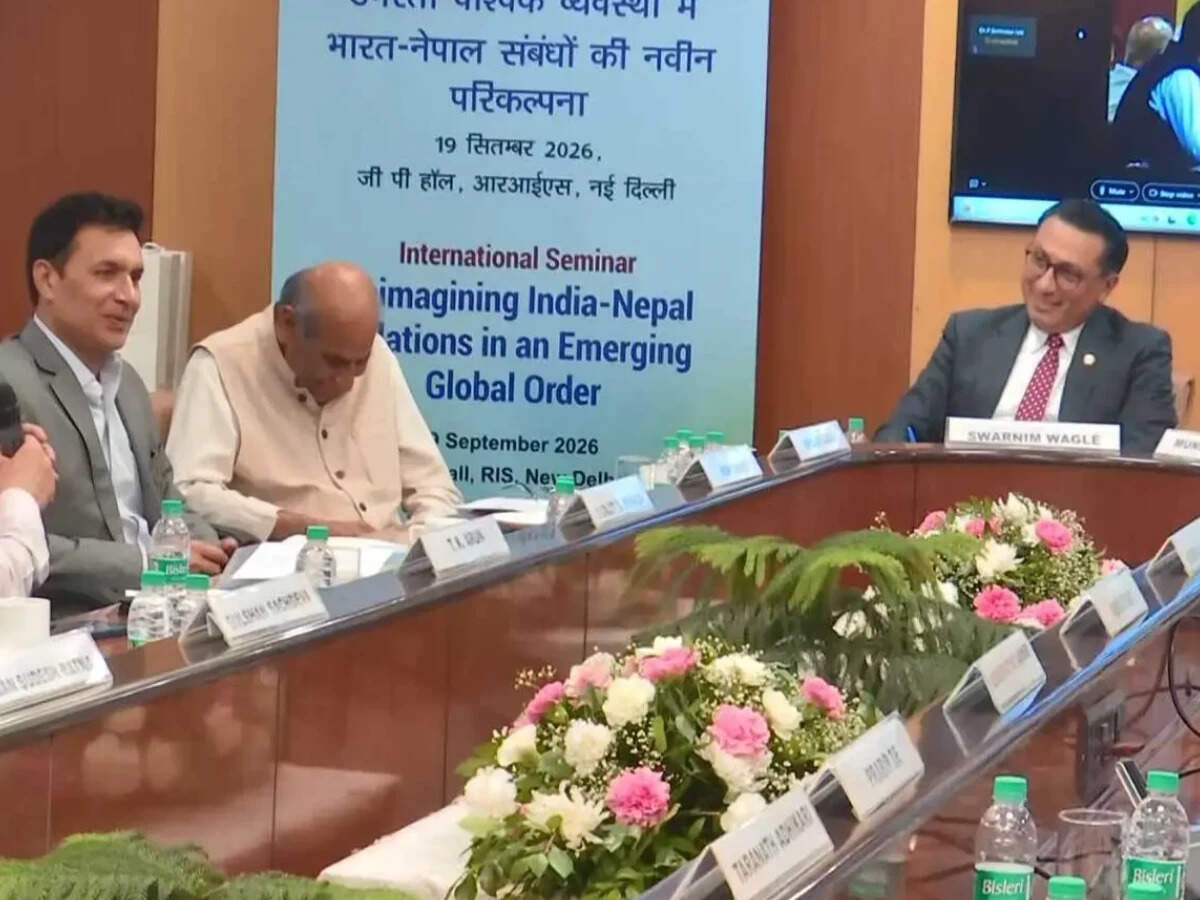
Nepal’s Finance Minister Swarnim Wagle thanked India for disaster assistance after the floods, including relief supplies and technical support for rescue and relief operations.
5
India approved electricity exports of up to 654 megawatts to Nepal for 18 hours a day through December 31, 2026, after flooding damaged Nepal’s hydropower infrastructure.
India and Nepal held two days of intensive talks September 16–17 in New Delhi to boost trade, fix border crossings, and improve energy links. Ministry of Commerce & Industry officials and Nepal's trade team discussed opening markets for farm goods, medicines, and traditional AYUSH products, plus fixing customs delays at the border. The meeting came weeks after devastating August floods hit Nepal, destroying power plants and forcing the country to rely on 654 megawatts of emergency electricity from India through the end of 2026.
Nepal's Finance Minister Swarnim Wagle traveled to New Delhi on September 17 to thank India's Finance Minister Nirmala Sitharaman for disaster relief and to discuss longer-term recovery and investment plans. The two countries agreed to keep working together through formal channels on trade rules, freight movement, and cross-border rail and road improvements that have long slowed commerce between them.
Customs Delays and Market Access Take Center Stage
India's Commerce Department Joint Secretary Ujjwal Kumar Ghosh and Nepal's Industry Joint Secretary Buddha Bahadur Gurung led the technical talks. Both sides mapped out plans to speed up cargo at the border using electronic certificates and pre-arrival information sharing. Economic Times reported that officials also discussed standards for agricultural, food, and pharmaceutical products to remove barriers that block Nepali goods from Indian markets.
The two countries committed to upgrading Integrated Check Posts—the joint border inspection stations—and expanding rail and road links. Officials agreed to coordinate more closely to stop unauthorized trade and counterfeits. Meetings will follow on specific issues that need more technical work, with timelines set for each task.
India Steps In With Emergency Power After Floods
Heavy rains in August 2026 flooded Nepal and knocked out major hydropower plants, cutting electricity supply sharply. India approved sending up to 654 megawatts of power to Nepal for 18 hours each day, running through December 31, 2026. Ministry of Finance officials noted this was a direct response to the disaster and Nepal's immediate energy shortage.
Dr. Swarnim Wagle, Nepal's new Finance Minister, publicly thanked India during his first official visit to New Delhi since taking office. He praised India's quick relief supplies and technical teams sent for rescue work. Nirmala Sitharaman, India's Finance Minister, promised continued help for Nepal's recovery and rebuilding of flood-damaged areas and power infrastructure.
Standards Alignment Could Open New Trade Routes
Beyond customs, India and Nepal are working to align safety and quality standards for medicines, medical devices, and food products. Bureau of Indian Standards Director General Sanjay Garg met Nepal's standards chief Kumari Jyoti Joshi on September 17 to discuss mutual recognition of tests and certificates. This means products from Nepal won't need to be re-tested in India, speeding up shipments.
The two sides also discussed AYUSH products—traditional medicines like Ayurveda and Yoga—a growing export strength for Nepal. By harmonizing rules, both countries aim to boost market access and help Nepali farmers and makers reach Indian consumers faster. Officials set time-bound deadlines to complete technical reviews on each product category.
Sentiment
Mostly PositiveNEGATIVENEUTRALPOSITIVE
Publishers
25
Articles
53
Reach
78
Topics
A
AnonymousAuthor