National Identity Debate
Suella Braverman sparks fresh debate over national identity by stating she is British, not English.
Anonymous
Key Points
1
Braverman’s parents migrated to Britain from Mauritius and Kenya in the 1960s; she was born in Harrow in 1980.
2
The dispute echoes an earlier debate: after Braverman wrote that she could never be English because she had “no generational ties to English soil,” Rishi Sunak said he was “British, English and British Asian.”
3
Braverman said her memoir, Patriot, traces her ancestors “from India via Mauritius and Kenya all over the world.”
4
The Independent article cites a 2017 poll in which 81 per cent of respondents said they thought what makes someone English was not limited to ancestry.
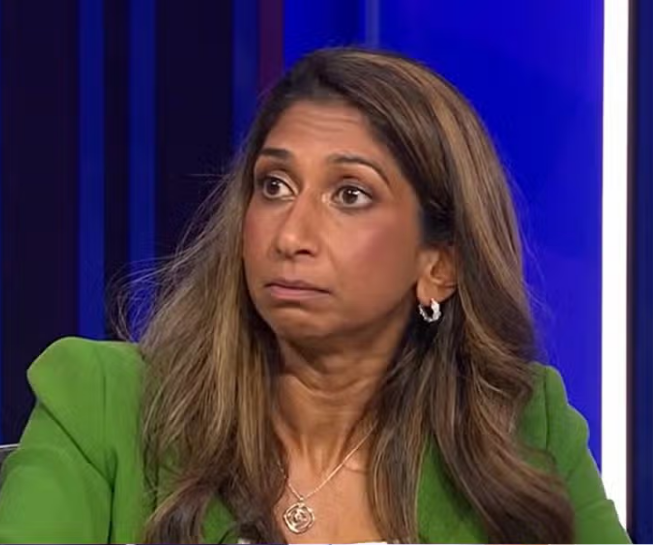
Reform UK MP Suella Braverman declared herself British Asian, not English, during BBC's Question Time, reigniting a fierce debate over what it means to be English. The Independent reported that the former Home Secretary said her parents were born abroad—her mother in Mauritius and her father in Kenya—and that true Englishness requires ancestry tied to the country "a few generations" back, despite Braverman herself being born in London in 1980.
Critics on the program argued that Braverman's position—defining Englishness through lineage rather than birthplace or upbringing—echoes racist ideas and excludes people born and raised in England. Metro noted that Braverman refused to specify exactly how many generations of ancestry someone needs. She rejected suggestions her view was racist, but the exchange has split opinion sharply on whether English identity is ethnic or civic.
Braverman's Ancestry Argument Divides the Room
During the BBC broadcast, Braverman stressed that her family tree stretches far beyond England's borders. AOL reported that she said being English requires "lineage, ancestry and a connection to the country's heritage." Her memoir, titled *Patriot*, traces her ancestors "from India via Mauritius and Kenya all over the world," she explained. However, she could not say how many generations back that connection must go.
Panelists pushed back hard. The Shade Borough reported that critics accused Braverman of excluding millions of people born in England whose parents or grandparents came from abroad. They argued her definition of Englishness based on ancestry—not birthplace or belonging—echoes ethnic nationalism.
Public Opinion Leans Toward Civic, Not Ethnic Identity
Polling data undercuts Braverman's position. The Independent cited a 2017 survey in which 81 percent of respondents said Englishness is not limited to ancestry. This suggests most Britons define identity by where you live and belong, not your family tree. The gulf between public opinion and Braverman's ancestry-based test is stark.
An Echo of Rishi Sunak's Different Take
This row mirrors an earlier clash. The Shade Borough recalled that Braverman previously wrote she could never be English because she had "no generational ties to English soil." When asked directly, Sunak took the opposite tack. The former Prime Minister said he was "British, English and British Asian"—three identities at once. His answer suggested you can claim Englishness through birthright and upbringing.
Braverman Denies Racism But Doesn't Budge
When panelists suggested her ancestry test echoes racist thinking, Braverman rejected the charge outright. The Independent reported she stated firmly: "I say she's wrong"—referring to critics—and insisted she is "neither English nor racist." Yet she did not shift her core position that multiple generations of ancestry are required to claim Englishness, leaving the contradiction unresolved.
Sentiment
Mostly NegativeNEGATIVENEUTRALPOSITIVE
Publishers
14
Articles
8
Reach
22
A
AnonymousAuthor