TMC Dispute Deadline
Supreme Court sets strict deadlines for resolving the Trinamool Congress party dispute.
Anonymous
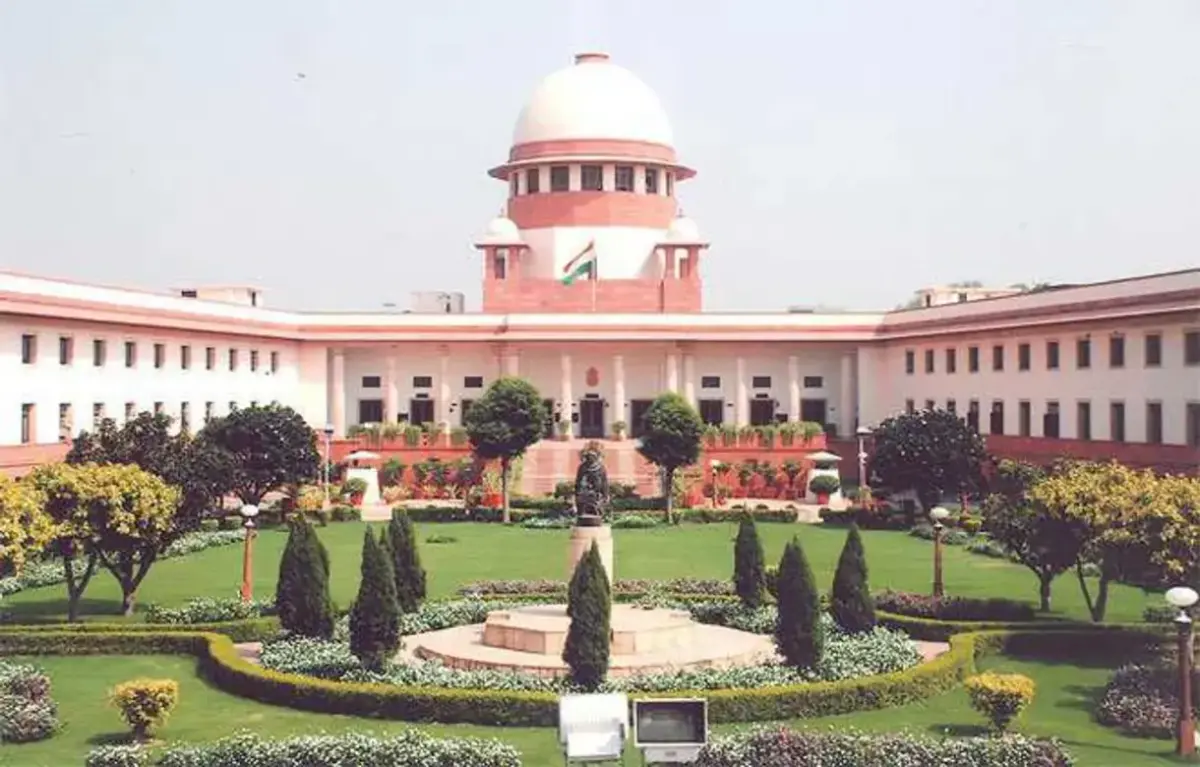
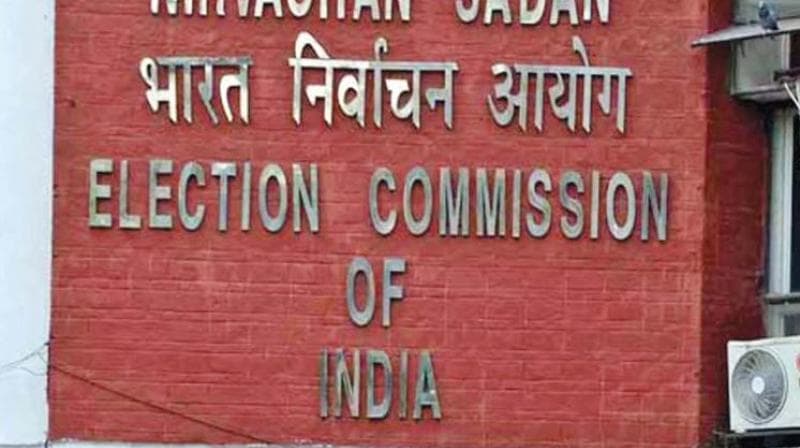
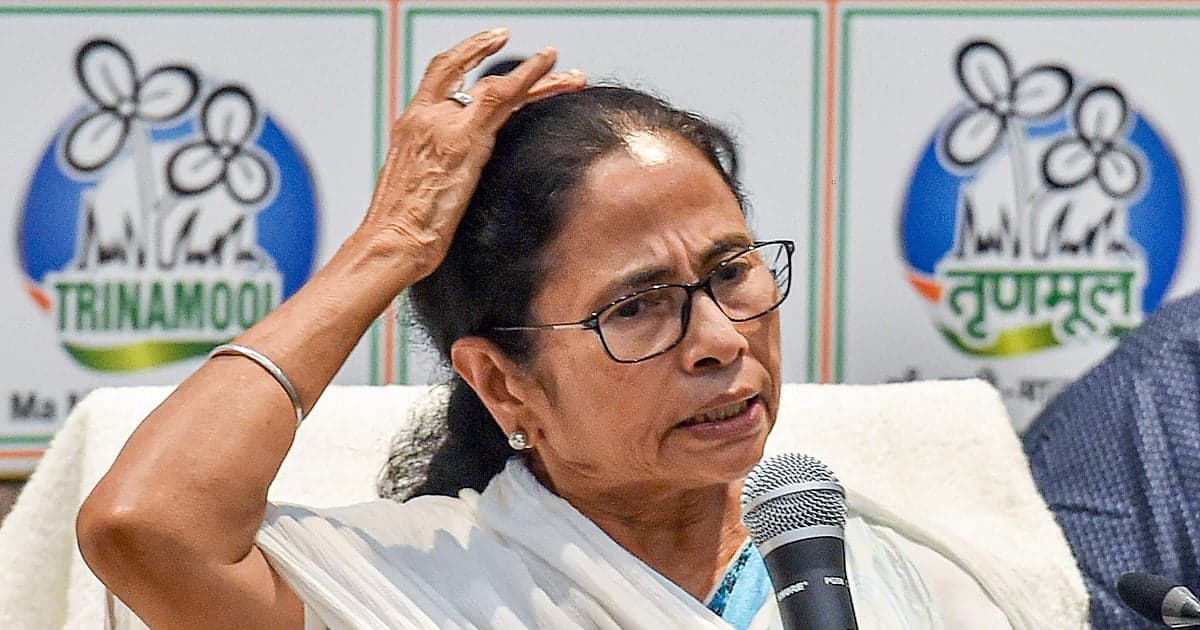
The Supreme Court directed the Election Commission to decide within three months a dispute between rival Trinamool Congress factions over control of the party, its name and its “flowers and grass” symbol, after both sides complete pleadings within four weeks. Pending the decision, the Commission has frozen the original name and symbol and assigned the factions separate names and symbols for upcoming by-elections. In a separate case, the court expressed confidence that West Bengal Assembly Speaker Rathin Bose would decide disqualification petitions against 10 rebel TMC MLAs within the three-month timeframe; reports place the deadline between October 8 and October 10, 2026. The petitions concern legislators aligned with rival leader Ritabrata Banerjee, whom Mamata Banerjee’s faction accuses of acting against the party’s interests, and the Assembly secretariat has sought their responses. In a separate parliamentary defection case involving 20 rebel TMC MPs, the court urged Lok Sabha Speaker Om Birla to act expeditiously but set no firm deadline; the MPs’ replies are due October 8.
Key Points
1
For the upcoming by-elections, Mamata Banerjee’s faction was temporarily assigned the name “Mamata All India Trinamool Congress” and the “football player” symbol, while the rival faction received “Democratic Trinamool Congress” and the “envelope” symbol.
2
In the Assembly disqualification case, the court relied on its 2020 Keisham Meghachandra Singh ruling, which said Speakers acting as tribunals under the anti-defection law should decide petitions within a “reasonable time”—suggested to be three months absent exceptional circumstances.
3
The Election Commission is considering more than rival claims to the party name and symbol: it has also sought submissions about organisational control, authorised office-bearers and party assets.
4
The Supreme Court declined to intervene directly in the Speaker proceedings, saying it would express its hope that the Speaker followed the law. Mamata Banerjee’s counsel Kapil Sibal argued that delays had become a pattern, with rebel MLAs going to the Election Commission and obtaining interim orders.
Sentiment
Mostly NegativeNEGATIVENEUTRALPOSITIVE
Publishers
32
Articles
21
Reach
53
Topics
A
AnonymousAuthor