MetaMask Independent Business Split
Consensys Plans to Separate MetaMask Wallet and Ethereum Infrastructure Into Independent Companies
Anonymous
Key Points
1
MetaMask has already expanded beyond a wallet: it launched a U.S. Mastercard payment card with rewards paid in its mUSD stablecoin and introduced a Money Account allowing users to earn up to 4% APY on mUSD.
2
The standalone MetaMask business also offers a Mastercard-supported debit card, perpetual futures and prediction markets, and has facilitated trillions of dollars in cumulative transaction volume.
3
The infrastructure-focused Consensys business will include not only Linea but also the Besu and Teku Ethereum clients, extending its role across protocol and enterprise infrastructure.
4
The restructuring follows a turbulent period that included layoffs, a legal fight with the Biden-era Securities and Exchange Commission, and the apparent postponement of an earlier plan to take the company public.
5
Consensys was founded more than a decade ago in Brooklyn as an Ethereum startup incubator and moved its headquarters to Texas in 2023; the company had previously indicated it might go public early this year before crypto-market conditions disrupted those plans.
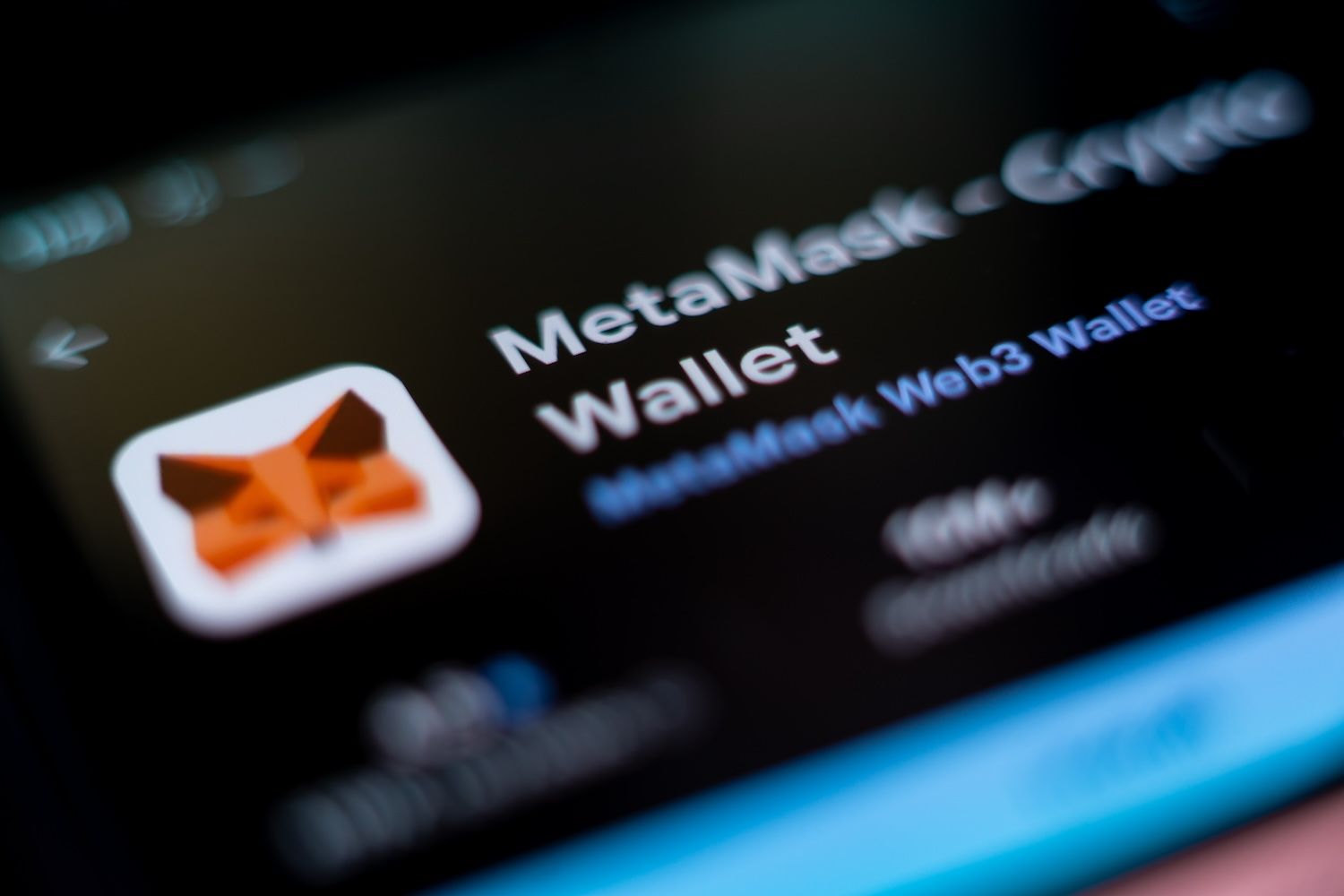
Consensys is splitting into two independent companies by the end of 2026, separating its hugely popular MetaMask wallet from its Ethereum infrastructure business. KuCoin reported that MetaMask—with over 100 million downloads across roughly 190 countries—will operate as a standalone consumer finance platform, while a newly formed Consensys company will focus on institutional blockchain infrastructure and protocols.
Ethereum co-founder Joe Lubin noted that CoinMarketCap MetaMask was "accumulating value at a much faster pace than Consensys's other business units," which prompted the spin-off decision. The separation allows each company to pursue distinct strategies: MetaMask expands into payments, savings, and investing, while Consensys targets institutions building tokenized assets and stablecoins.
MetaMask Transforms From Wallet Into Financial Platform
MetaMask has already moved far beyond a simple crypto wallet. CoinMarketCap reported the platform launched a U.S. Mastercard debit card with rewards paid in its mUSD stablecoin, and introduced a Money Account offering up to 4% APY on stablecoin balances. The wallet also now offers perpetual futures, prediction markets, and access to tokenized stocks and commodities.
The scale of MetaMask is enormous: KuCoin the platform has facilitated trillions of dollars in cumulative transaction volume across approximately 190 countries. By operating independently, MetaMask can now compete directly with neobank apps and fintech platforms rather than share resources with enterprise infrastructure teams.
Consensys Doubles Down on Institutional Blockchain Infrastructure
The newly formed Consensys will focus entirely on serving institutions and building blockchain infrastructure. CoinMarketCap reported the company will retain the Linea Layer 2 network, the Besu and Teku Ethereum client protocols, and continue advancing tokenized real-world assets and settlement systems. Mike Kriak becomes CEO while Joe Lubin serves as executive chairman.
This separation reflects crypto's maturation: institutional and consumer blockchain services now require completely different business models, partnerships, and capital structures. Cointelegraph noted that major financial institutions like Citigroup are already evaluating blockchain infrastructure for processing tokenized assets at scale.
Why Now? Troubled IPO Plans and Market Conditions
Consensys has faced a turbulent period: the company experienced major layoffs, clashed with the U.S. Securities and Exchange Commission, and delayed its anticipated IPO in mid-2026 due to unfavorable crypto market conditions. KuCoin reported that JPMorgan and Goldman Sachs were leading the public listing effort before crypto volatility disrupted those plans.
A standalone MetaMask could present a clearer investment story. With 100+ million users and a consumer finance focus, the company might appeal to mainstream investors and venture capital funds seeking exposure to regulated fintech rather than blockchain infrastructure. However, Cointelegraph noted Consensys has not yet confirmed an IPO timeline or whether MetaMask will issue a governance token.
What Changes for MetaMask Users and Institutions
MetaMask users will see no disruption: their wallets, addresses, and assets remain unchanged. NewsCord reported the split is purely structural. MetaMask will aggressively expand its financial product suite—adding services like automated savings yields and global spending options—while remaining user-controlled and non-custodial.
Institutions gain clarity too. CoinMarketCap the infrastructure-focused Consensys can now deepen partnerships with banks and enterprises pursuing tokenization without distraction. The two companies will share Ethereum's ecosystem values but operate independently, each optimized for its target market.
Sentiment
Mostly PositiveNEGATIVENEUTRALPOSITIVE
Publishers
41
Articles
58
Reach
99
A
AnonymousAuthor


