EU Boosts Moldova Support
EU transfers €157 million to Moldova as rapid reform progress fuels 2030 accession goals.
Anonymous
Key Points
1
Moldova’s prime minister said the country hopes to open the remaining four of its six EU accession clusters by the end of 2026; Moldova and Ukraine opened the first two in June and July.
2
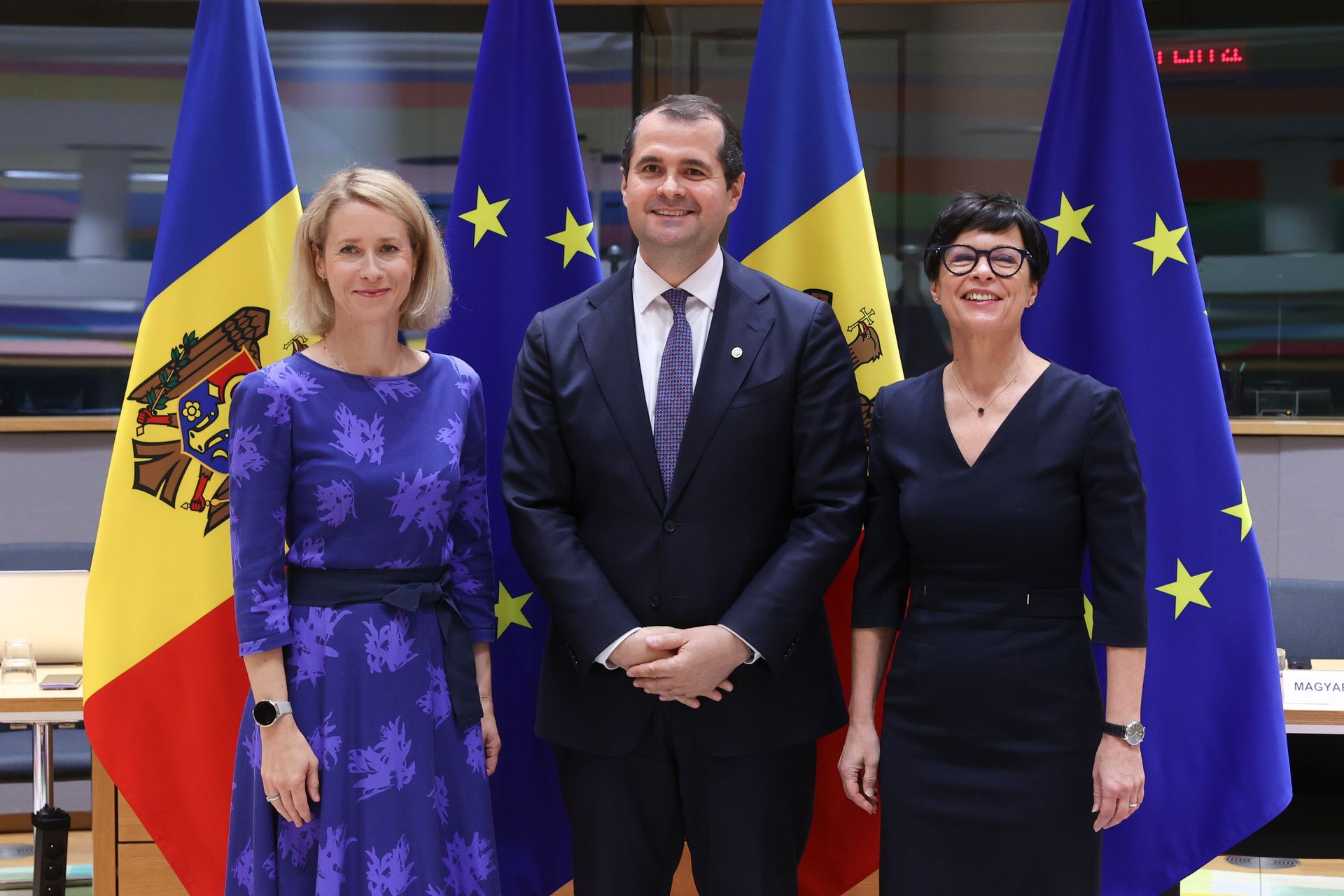
At the Association Council meeting, Kaja Kallas said security was a key topic amid hybrid attacks attributed to Russia, and said the EU would support Moldova’s resilience and response capabilities and impose sanctions on those responsible for destabilization attempts.
3
About two-thirds of Moldova’s goods exports in the first half of the year went to the EU, worth approximately €1.3 billion, according to Prime Minister Vasile Tofan.
4
The EU said it had provided Moldova with more than €1.2 billion in grants between 2021 and 2025, including assistance to 1.2 million households facing higher electricity bills and support for justice-sector reforms.
The European Union has disbursed €157 million to Moldova after the country completed 18 major reforms spanning governance, the economy, energy and environmental protections. EU officials say Moldova is on track to finish EU membership talks by early 2028 and join the bloc by 2030—a timeline described as achievable given the country's rapid progress.
The payment brings total funding available under the EU's €1.9 billion Growth Plan for Moldova to €661 million. Further disbursements depend on continued reforms that the EU says will drive jobs, growth and closer ties to its single market—though progress on accession clusters remains tied to Ukraine's own EU negotiations.
Moldova Charts Path to EU Membership by 2030
Prime Minister Vasile Tofan said Moldova aims to open four more accession clusters by end of 2026, building on the first two clusters opened in June and July. Kyiv Independent reported that Tofan hopes technical work will be complete by early 2028, paving the way for full membership two years later.
EU leaders have publicly endorsed this timetable. EU officials describe the schedule as achievable based on Moldova's demonstrated reform speed. However, the country's accession progress remains linked to Ukraine's separate EU negotiations, which face delays from disputes involving Hungary and key economic sectors.
EU Strengthens Ties With €1.2 Billion in Grants
Between 2021 and 2025, the EU provided Moldova with more than €1.2 billion in grants, according to Prime Minister Tofan. The assistance included help for 1.2 million households struggling with higher electricity bills and funding for justice-sector reforms that align with EU standards.
About two-thirds of Moldova's goods exports in the first half of this year went to the EU, totaling roughly €1.3 billion. Tofan emphasized this trade relationship as evidence of Moldova's deep economic integration with Europe ahead of formal membership.
EU Pledges Security Support Against Russian Interference
EU foreign policy chief Kaja Kallas told Moldova that security is a central concern as Russia escalates hybrid attacks—including disinformation, infrastructure sabotage and election interference. EU officials said they will boost Moldova's resilience and response capabilities to counter these threats.
Kallas also announced that the EU would impose sanctions on those responsible for destabilization attempts. Brussels Morning reported that the security discussion underscored the EU's commitment to Moldova's stability as a prerequisite for successful EU integration and long-term prosperity.
Sentiment
Mostly PositiveNEGATIVENEUTRALPOSITIVE
Publishers
11
Articles
9
Reach
20
A
AnonymousAuthor


