Wealth Transfer Reassessment
The Projected Great Wealth Transfer Is Expected To Be Smaller Than Anticipated
Anonymous
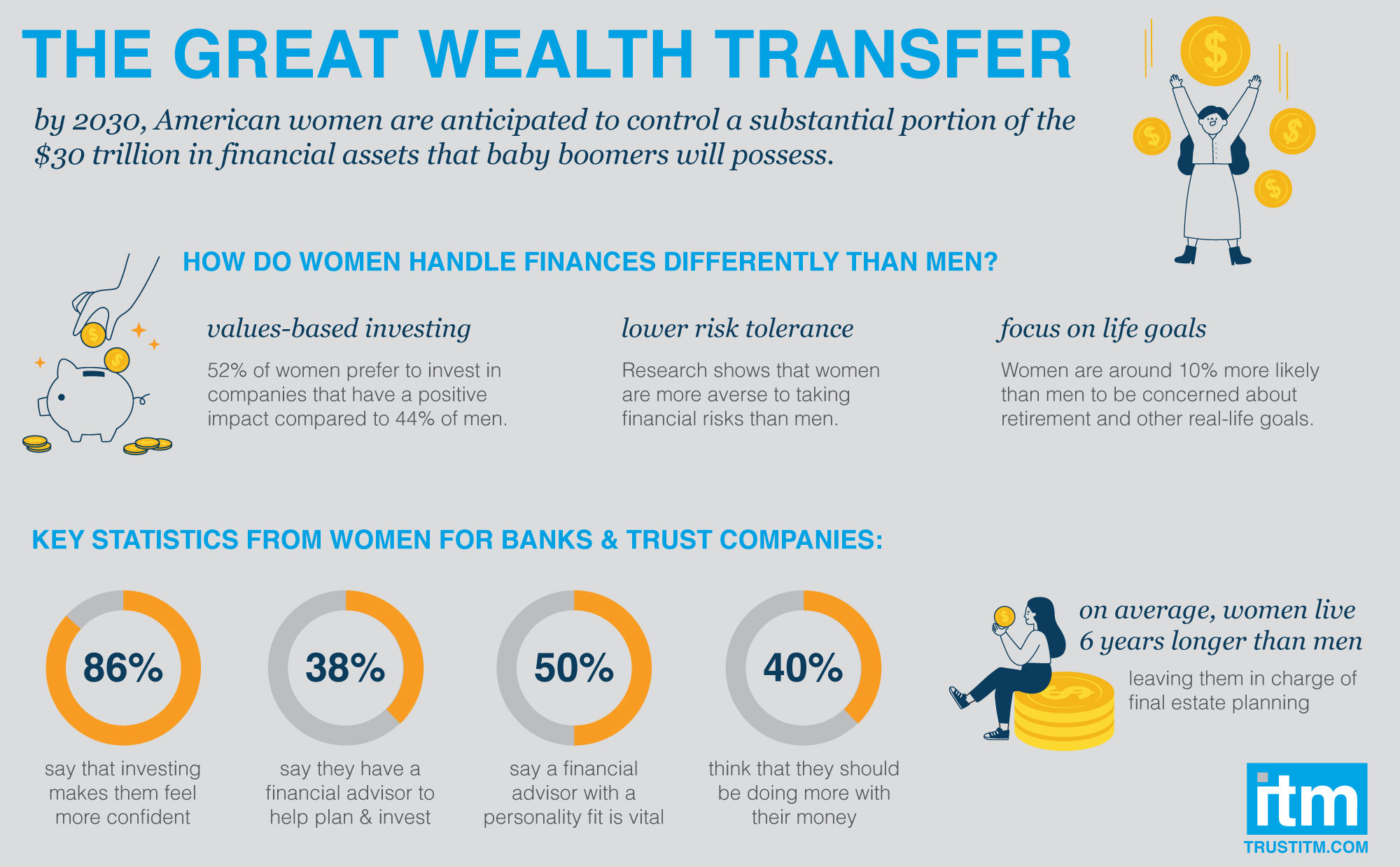
The so-called Great Wealth Transfer — a projected $124 trillion shift from older generations to younger ones — may not deliver the windfall many expect, according to Crossroads Today. A new report from Visa Business and Economic Insights finds the actual amount reaching heirs will be far smaller than the headline number suggests.
The gap between the projected figure and reality comes down to a few key forces: rising healthcare costs, longer lifespans, and spending habits of the wealthy. Simply put, older Americans are expected to spend much of their wealth before they die.
Why $124 Trillion Won't All Change Hands
The $124 trillion figure is an estimate of total wealth held by older generations — not the amount that will actually be passed down. Taxes, end-of-life medical costs, and the simple act of spending reduce what remains. According to Pantagraph, the Visa report warns that assuming all of that wealth transfers intact is a major mistake.
Longer lifespans are a big part of the problem. As people live into their 80s and 90s, they draw down savings longer. Healthcare costs in the final years of life can run into hundreds of thousands of dollars. That leaves less for children and grandchildren.
The Wealthy Will Inherit Most of What Does Transfer
Even the wealth that does get passed down won't be spread evenly. Journal Now notes that the bulk of inheritances flows to households that are already wealthy. Middle-class and lower-income families tend to receive smaller amounts — or nothing at all.
This means the Great Wealth Transfer could widen the gap between rich and poor rather than close it. Millennials and Gen Z who stand to inherit meaningful sums are mostly those whose parents were already well-off.
Spending Habits Are Quietly Shrinking the Pot
Many wealthy older Americans are choosing to spend their money rather than save it for heirs. Travel, second homes, and luxury spending in retirement are all on the rise. According to Missoulian, this trend is eating into the projected transfer more than most forecasts account for.
Estate planning also plays a role. Some families use strategies like trusts or gifts during their lifetime to reduce estate taxes. But these moves often shift money to charity or spread it across many recipients, further diluting what any single heir receives.
What Younger Generations Should Actually Expect
Financial advisors warn that younger people should not count on an inheritance to secure their future. Star Herald reports that the Visa findings suggest many millennials expecting a large windfall will be disappointed. Building independent savings remains critical.
The bottom line: the Great Wealth Transfer is real, but it's smaller, slower, and more unequal than the $124 trillion headline implies. Most of the money will stay concentrated at the top — and a lot of it will never be transferred at all.
Sentiment
NeutralNEGATIVENEUTRALPOSITIVE
Publishers
12
Articles
11
Reach
12
A
AnonymousAuthor


