Iran Blocks IAEA Inspections
Iran blocks IAEA nuclear site inspections, citing ongoing wartime security tensions and threats.
Anonymous
Key Points
1
Trump's threats to bomb the alleged secret Iranian nuclear site, according to Eslami, show the IAEA are pawns of the US and Israel and are being pressured by those countries.
2
Bushehr remains accessible for inspections, while other major sites—Isfahan, Fordow, and Natanz—remain off-limits to the IAEA.
3
Market-implied odds of an IAEA visit by August 31 are just 0.4% (YES), with a gradual rise to 5.5% by October 31 and 13.0% by December 31, underscoring substantial near-term skepticism.
4
The ongoing U.S. and Israeli strikes on Iranian nuclear facilities in 2025 (and reported in 2026) have reinforced a wartime posture and impeded progress toward regular inspection protocols.
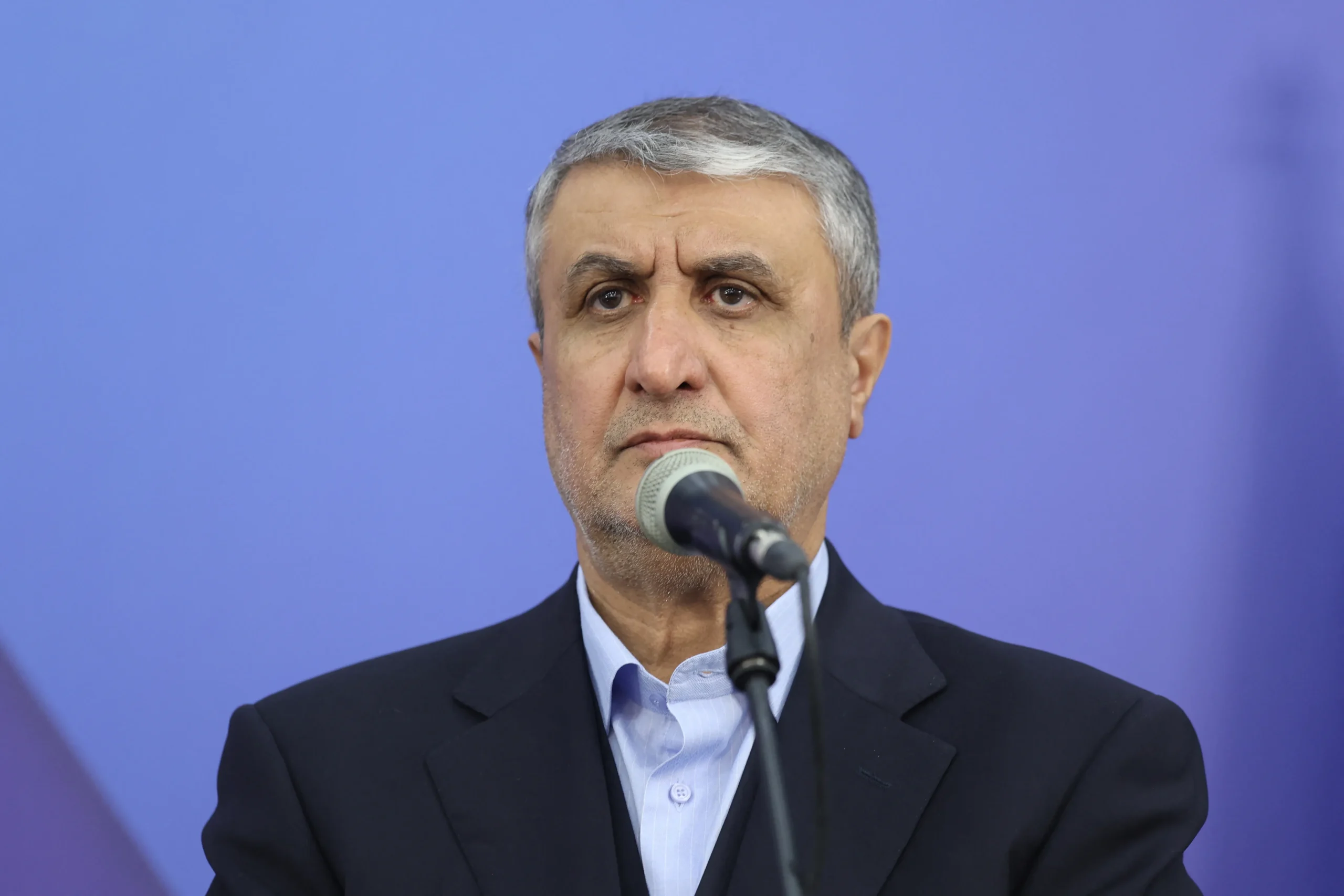
Iran's nuclear chief Mohammad Eslami said the country remains in a wartime state and its nuclear sites are not safe for inspections by the International Atomic Energy Agency (IAEA), according to Middle East Eye. He stated that any inspection protocol must be negotiated first, effectively blocking near-term access to key facilities like Isfahan, Fordow, and Natanz.
Market odds of an IAEA inspection by August 31 stand at just 0.4%, rising only to 5.5% by October 31, Crypto Briefing reported. Eslami accused the IAEA of being pressured by the U.S. and Israel, citing Trump's threats to bomb alleged secret Iranian nuclear sites as proof the agency cannot verify conditions under current tensions.
Attacked Sites Block IAEA Access
Iran has allowed the IAEA limited access only to Bushehr, a facility unaffected by recent strikes. However, Voice of Emirates confirmed that major nuclear centers—Isfahan, Fordow, and Natanz—remain completely off-limits to international inspectors. Eslami said these sites cannot be secured for inspections while Iran remains under attack.
The Bloomingbit report notes that ongoing U.S. and Israeli strikes on Iranian nuclear facilities in 2025 have reinforced this wartime posture. Eslami framed the inspection refusal as a security necessity rather than a diplomatic obstacle, linking it directly to the military campaign against Iran's nuclear program.
Iran Demands New Protocol Before Talks Begin
Eslami's position ties inspection access to a precondition: the establishment of a new UN protocol governing how and when inspections occur. Middle East Eye reported that Iran views the current framework as biased and insufficient given the military threats it faces. Without a protocol agreement, the door remains firmly closed.
This stance delays any realistic near-term breakthrough. The modest market odds—climbing from 0.4% by August to 13.0% by December 31—reflect investor skepticism that diplomacy or UN Security Council action will shift Iran's position quickly enough to enable meaningful inspections this year.
Trump's Threats Fuel Iranian Distrust
Eslami claimed that U.S. threats to bomb secret Iranian nuclear sites prove the IAEA is a tool of Washington and Tel Aviv. Middle East Eye documented his assertion that international pressure undermines the agency's independence and ability to conduct credible, neutral inspections under current geopolitical conditions.
This narrative—that the IAEA cannot operate independently amid U.S.-Israeli pressure—forms the core justification for Iran's inspection freeze. Until that dynamic changes or a new protocol is adopted, Iran's wartime posture will remain the official rationale for keeping nuclear sites sealed from international oversight.
Sentiment
Mostly NegativeNEGATIVENEUTRALPOSITIVE
Publishers
10
Articles
0
Reach
10
Topics
A
AnonymousAuthor


