Election Tie Broken By Cards
Arizona Town Council Election Tie Decided by Drawing Playing Cards
Anonymous
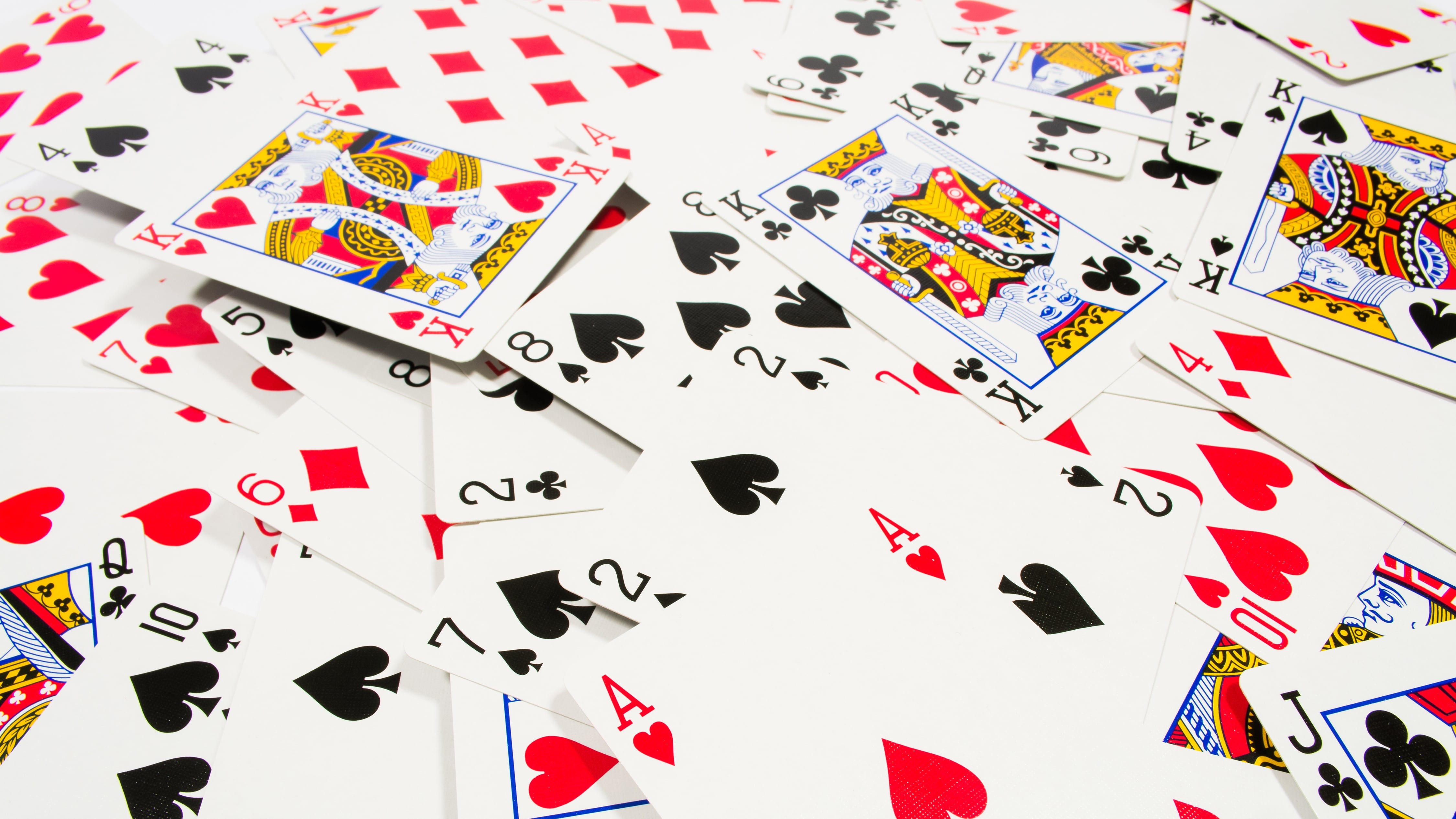
A Gila Bend, Arizona town council race came down to a single card draw. After Jesus Rubalcava and Athena Guerrero tied in votes, the two candidates faced off in a high-card showdown to claim the council seat. WSOC reports that Rubalcava won the draw, securing his spot on the town council through a method governed by a century-old Arizona law.
Arizona law requires election officials to break ties "by lot"—a rule that dates back roughly 100 years. Towns can use playing cards, marbles, straws, or other games of chance. Interim town clerk Patricia Riggs prepared the cards for both candidates, and a single draw determined the winner of this small-town election.
A Tie Breaks Down to Pure Luck
The Gila Bend Town Council election between Rubalcava and Guerrero produced an exact tie in votes. Rather than hold a runoff election or resolve the deadlock through other means, Arizona law kicked in. The two candidates sat down with Patricia Riggs, the interim town clerk, to draw cards and let fate decide 97XOnline.
Rubalcava drew the higher card and claimed victory. The outcome handed him the council seat he had tied for in the ballot box. This unusual but legal method of resolving elections stems from Arizona statutes that have been in place for generations.
Arizona's Century-Old Tie-Breaking Rule
Arizona's "by lot" rule gives towns flexibility in how they break election ties. Officials can use cards, marbles, straws, dice, or any other game of chance. The law exists because perfect ties, while rare, do happen—and leaving a seat empty or repeating the entire election can be costly and time-consuming Boston25News.
The rule has roots stretching back roughly a century in Arizona law. It reflects an era when random selection was seen as a fair and impartial way to settle disputes. Today, it remains on the books and still gets used when elections end in a deadlock WPXI.
Tie-Breaking By Chance Isn't Unique
Card draws and other games of chance have decided election outcomes across the United States before. These methods exist in multiple states as fallback options when ballots produce a perfect split. Gila Bend's high-card showdown is unusual in scope but not unique in practice WOKV.
Such tie-breaking methods underscore how close elections can get. Even in small towns, candidates can split the vote evenly. When that happens, laws like Arizona's step in to provide a clear, predetermined path forward—even if that path leads to a game of cards.
Sentiment
NeutralNEGATIVENEUTRALPOSITIVE
Publishers
7
Articles
6
Reach
7
Topics
A
AnonymousAuthor


