Yen and Rate Hike Outlook
Global Market Pressures Intensify Challenge for Yen, Bank of Japan Eyes Rate Hike
Anonymous
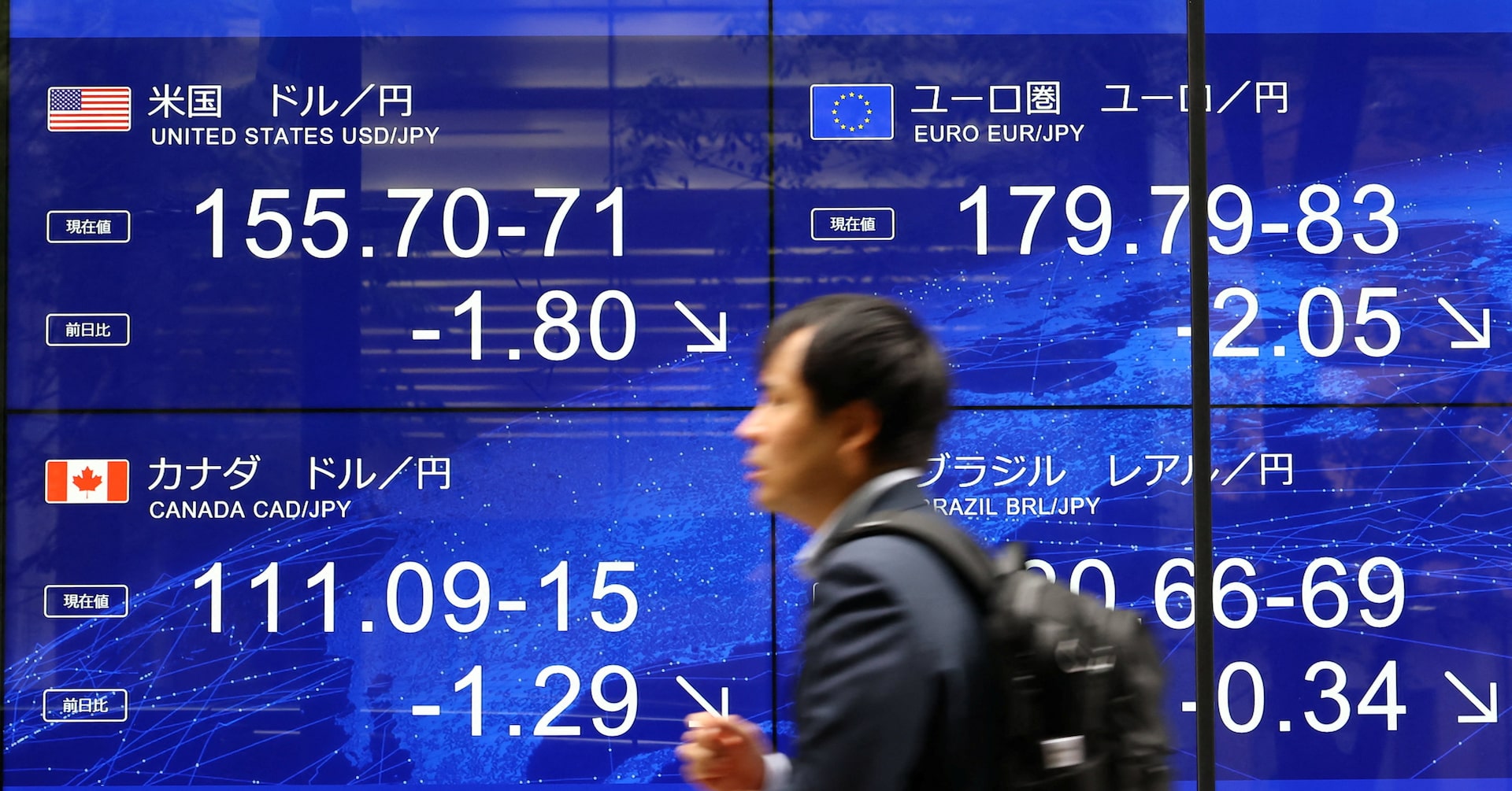
Japan and the United States launched a rare joint yen-buying intervention to pull the yen back from 40-year lows, according to Reuters. But the hard part starts now. The yen's recovery depends on a narrowing gap between U.S. and Japanese interest rates — and that gap is still very wide.
Meanwhile, oil prices fell after President Donald Trump said talks with Iran would begin, raising hopes for a deal to end the Middle East war. Asian stocks stayed under pressure, though, as investors doubted a deal would actually happen, Reuters reported.
U.S. and Japan Team Up to Rescue the Yen
Tokyo and Washington carried out a coordinated yen-buying intervention — the first such joint move since 2011, according to MarketScreener. The goal was to stop the yen from falling further after it hit its weakest level in four decades. Japan's government confirmed the operation took place.
Yahoo Finance reported that while the intervention helped stabilize the yen short-term, it is not enough on its own. Currency experts say monetary policy must follow. In plain terms: Japan needs to raise interest rates, or the yen will slide again.
Bank of Japan Faces Pressure to Raise Rates Fast
The two-year Japanese government bond yield briefly hit 1.545% — its highest level since 1995, according to Reuters. That signals markets expect the Bank of Japan to raise rates soon. Higher rates would make the yen more attractive to investors and help close the gap with U.S. rates.
Right now, the interest rate gap between Japan and the United States is enormous. The U.S. Federal Reserve's rate sits far above Japan's near-zero level. For the yen to truly recover, that gap needs to shrink. The Bank of Japan raising rates is the most direct way to do that.
Oil Drop Offers Japan Some Breathing Room
Japan imports nearly all of its oil. So when oil prices fall, it helps the Japanese economy directly. Prices dropped after Trump announced that talks with Iran would take place, which markets read as a possible step toward ending the Middle East conflict, according to Reuters.
But TradingView noted that Asian stock markets stayed under pressure. Investors were skeptical that a real deal was close. Lower oil prices help Japan, but uncertainty about the war keeps markets nervous. The yen's path forward depends on both global events and domestic policy moving in the right direction at the same time.
What Comes Next for the Yen's Recovery
Lufkin Daily News described Tokyo's effort as "probably what was needed" to start a yen recovery. But analysts say the intervention buys time, not a lasting fix. Without rate hikes from the Bank of Japan, currency traders will likely push the yen lower again.
The yen's to-do list is long: the Bank of Japan must raise rates, the U.S. Fed must eventually cut rates, and global energy prices need to stay manageable. All three must move in Japan's favor. Right now, none of them are guaranteed, according to Reuters.
Sentiment
NeutralNEGATIVENEUTRALPOSITIVE
Publishers
5
Articles
4
Reach
5
A
AnonymousAuthor


