Ceuta Migration
Police transport migrants to Ceuta border amidst idealization of Europe
Anonymous
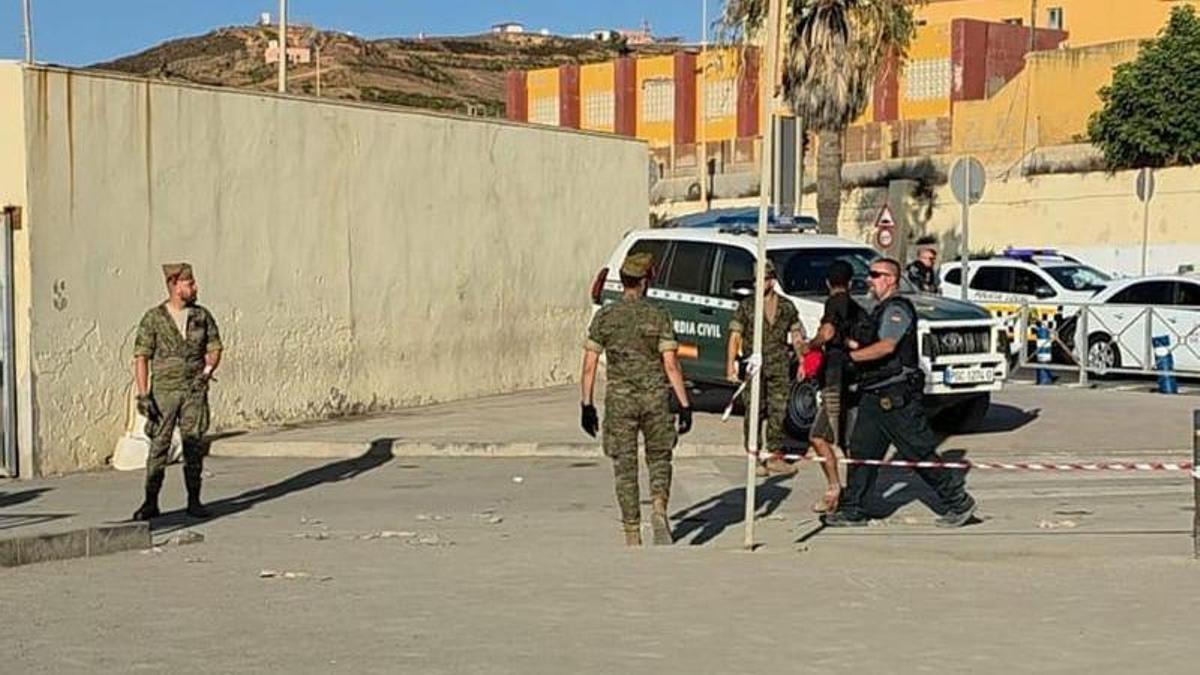
Police in Ceuta are driving migrants directly to the border in patrol cars — a routine that officers themselves describe with a casual question between colleagues: "¿Tú traes alguno?" ("You got one?"). The Spanish enclave on the north coast of Africa has become a daily flashpoint, where young Moroccan men arrive hoping to reach Europe, and local police have developed an informal system to return them quickly El Día.
This past Sunday, clear skies over Ceuta offered a direct view of the Rock of Gibraltar on the horizon — a powerful symbol for migrants dreaming of a new life. A Muslim Ceutí influencer lamented the situation, saying there is "a romanticization of Europe driven by social media" that keeps drawing young Moroccans to the city Levante.
Police Cars as Makeshift Deportation Vehicles
Officers in Ceuta have developed a blunt, informal routine. When a migrant is spotted, a police officer radios a colleague with a simple question: "Do you have one?" The migrant is then placed in a patrol car and driven to the border crossing back into Morocco Diario de Mallorca. No paperwork, no formal procedure — just a quick ride to the frontier.
This practice has become so common that it barely draws attention from locals. Critics argue it bypasses legal protections that migrants are entitled to under Spanish and European law. Rights groups warn that informal returns — even short-distance ones — can still violate asylum rules if migrants express a fear of persecution La Opinión de Murcia.
Social Media Is Fueling the Migrant Dream of Europe
A Muslim influencer based in Ceuta says platforms like TikTok and Instagram are partly to blame. Young Moroccans see curated images of European life and believe crossing into Spain means instant prosperity. "There is an idealization of Europe caused by social media," she said, warning that the reality is far harsher El Periódico de Aragón.
Many of those who arrive are teenagers or young adults from rural Morocco. They often travel with little money and no plan beyond reaching the other side. Once in Ceuta, most are picked up within hours. The city — just 18.5 square kilometers — makes it nearly impossible to stay hidden for long La Provincia.
Gibraltar on the Horizon, Europe Just Out of Reach
For migrants in Ceuta, Gibraltar is more than a landmark — it is a goal. On clear days, the Rock is visible across the strait, just 14 kilometers away. That proximity makes Ceuta one of the most symbolic and contested migration pressure points on Europe's southern border El Correo Gallego.
Spain has faced growing pressure from the European Union to manage migrant arrivals at its North African territories. Ceuta and Melilla are the EU's only land borders with Africa. Tens of thousands of migrants attempt to enter each year. In 2021, more than 10,000 crossed into Ceuta in a single week during a diplomatic crisis with Morocco Diario Córdoba.
A City Caught Between Compassion and Border Control
Residents of Ceuta are divided. Some support the quick police returns, saying the city's limited resources cannot support large numbers of migrants. Others feel uneasy watching young men loaded into police cars like cargo. The informal car-to-border system exists in a legal grey area that neither Spain nor the EU has clearly addressed LNE.
The Spanish government has not publicly commented on the car-return practice. Local authorities insist they are managing a difficult situation with limited tools. But human rights lawyers say that even a five-minute car ride to the border can constitute a pushback — which is illegal under international law if done without an individual assessment La Opinión de Málaga.
Sentiment
NeutralNEGATIVENEUTRALPOSITIVE
Publishers
16
Articles
0
Reach
16
A
AnonymousAuthor