Robots humanoides más rentables
La nueva competición en China expone los grandes retos de los robots humanoides
Anonymous
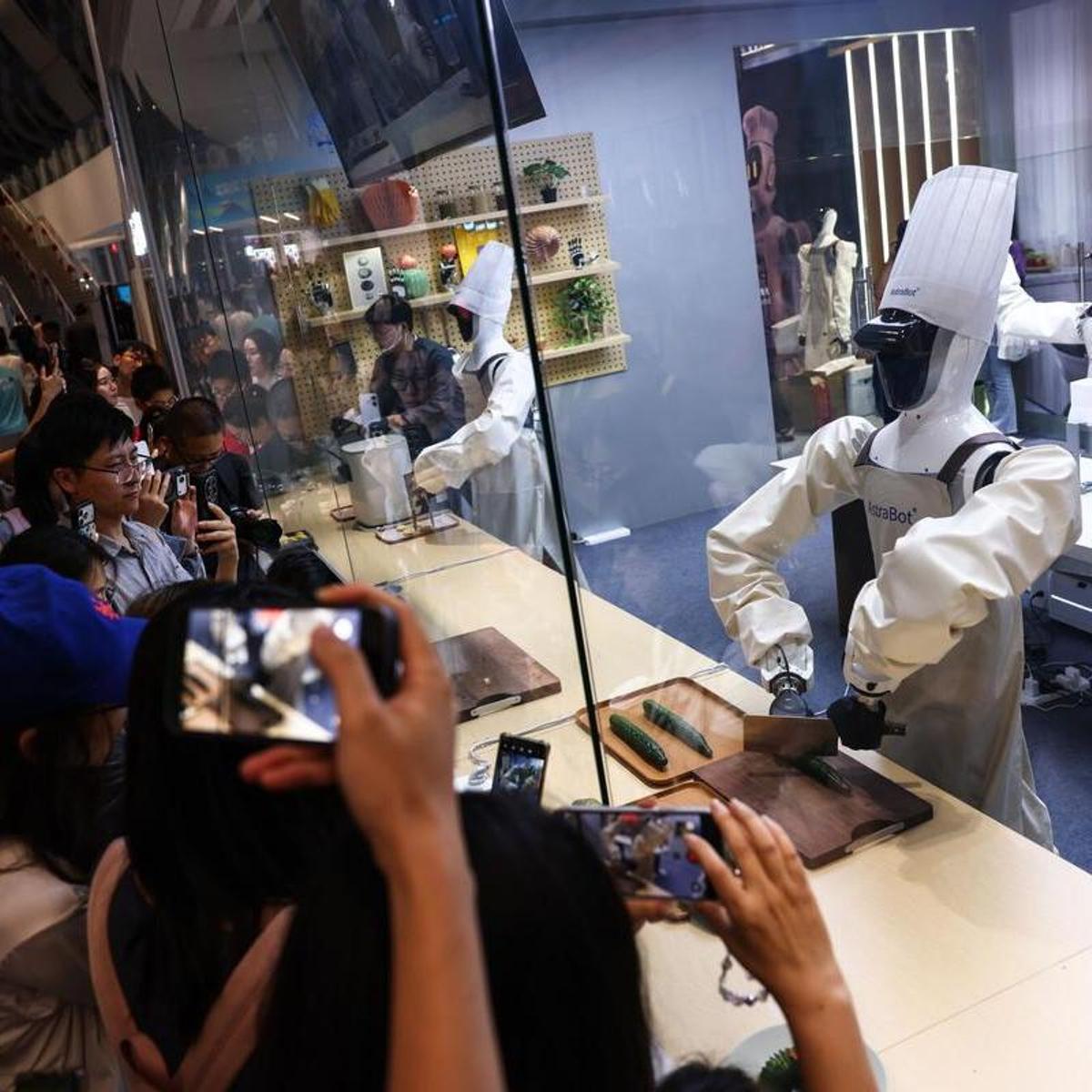
Humanoid robots face a surprising challenge: folding clothes is harder than sprinting. China's second annual robot competition tested 20 real-world tasks across homes, factories, hotels, and hospitals Información. The goal is simple but urgent—make these androids actually useful and profitable in everyday work.
Why a Simple Shirt Stumps Modern Robots
Folding fabric requires something robots struggle with: fine motor control and understanding how cloth behaves. A robot must grab, manipulate, and fold without tearing the material. Speed doesn't help here. What works in racing—powerful motors and quick reflexes—fails when precision matters most Información.
Twenty Tests in Real-World Settings
The competition ran tasks in four key environments. Tests happened in homes, factories, hotels, and hospitals El Correo Gallego. Each setting posed different demands. A kitchen task differs from a hospital job. Designers forced robots to adapt to messy, unpredictable human spaces instead of controlled factory floors.
The Path to Profitable Androids
Companies building humanoids want robots that earn money, not just impress in labs. Hospitals need helpers who fetch supplies and assist patients. Hotels need staff who clean rooms and greet guests Diario de Mallorca. Homes need robots that do chores people hate. Success means robots must handle tasks no faster than humans, but reliably and around the clock.
The Real Competition Isn't Speed
Unlike Usain Bolt's sprint, this race measures dexterity and judgment La Opinión de Zamora. Robots must pick up fragile objects without crushing them. They must navigate crowded hallways. They must understand what a person wants from tone of voice and body language. These soft skills take years to develop in silicon and code.
Sentiment
NeutralNEGATIVENEUTRALPOSITIVE
Publishers
18
Articles
0
Reach
18
A
AnonymousAuthor


