Ancient Floral Luxury
Guangdong Museum Exhibition Showcases Centuries-Old Chinese Floral Patterns, Predating Luxury Monograms
Anonymous
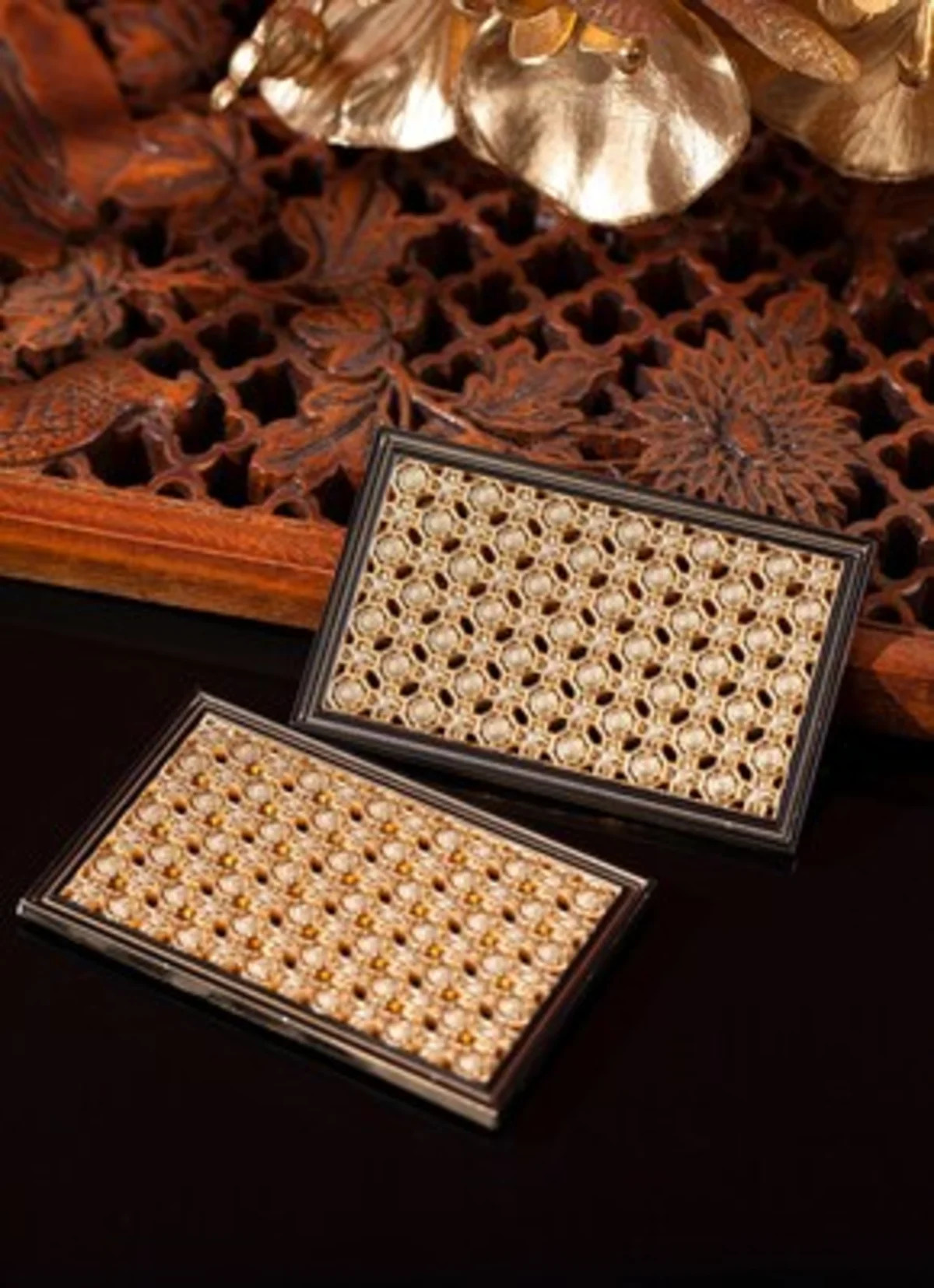
The Guangdong Museum in Guangzhou is challenging the luxury fashion world's claim to timeless pattern design. The museum's current exhibition features a Qing Dynasty gilded woodcarving panel whose geometric and floral motifs strikingly resemble modern luxury monograms — yet predate them by centuries, according to Yahoo Finance.
The show is called "Splendor in Lacquer and Wood: Chaozhou Woodcarving Art." It puts ancient Chinese craft at the center of a much bigger conversation about who invented decorative ornamentation — and when.
A Qing Dynasty Panel That Looks Surprisingly Modern
The star of the exhibition is a single gilded woodcarving panel from an entrance screen. It dates to the Qing Dynasty, which ran from 1644 to 1912. The panel is covered in tight geometric shapes and layered floral patterns, Yahoo Finance reports. Visitors who see it often do a double-take — the design language feels almost identical to logos found on high-end European handbags and scarves today.
Chaozhou woodcarving is a regional craft from eastern Guangdong province. Artisans carved deeply into wood and then applied gold leaf to the raised surfaces. The result is a dense, shimmering pattern that catches light from every angle. The technique took years to master and was reserved for wealthy households and temples.
Chinese Craft Predates European Luxury Monograms by Centuries
European luxury houses began registering their signature monogram patterns in the late 19th and early 20th centuries. Louis Vuitton's iconic LV monogram canvas, for example, was introduced in 1896. The Qing Dynasty panel on display at the Guangdong Museum predates that by at least 200 years, according to ADVFN.
The comparison matters beyond bragging rights. It raises real questions about where modern luxury design drew its inspiration. Trade between China and Europe was active during the Qing era. Chinese decorative arts were highly prized in European markets. Historians have long noted the influence of Chinese craft on Western design movements.
Museum Turns Ancient Pattern Into a Modern Souvenir
The Guangdong Museum did not stop at displaying the panel behind glass. It turned the carving's signature motifs into a collectible souvenir, according to Yahoo Finance Singapore. The museum cast the geometric and floral patterns in zinc alloy, creating a small keepsake that visitors can take home.
The move is part of a broader trend in Chinese museums. Institutions across the country have been converting ancient artifacts into branded merchandise. The goal is to make traditional culture feel relevant and accessible to younger audiences. The Guangdong Museum's souvenir lets people carry a piece of Qing-era design in their pocket — without the luxury price tag.
Chaozhou Woodcarving's Place in China's Cultural Heritage
Chaozhou woodcarving was added to China's national intangible cultural heritage list in 2006. The craft is centered in Chaozhou city, about 500 kilometers east of Guangzhou. At its peak during the Ming and Qing dynasties, the work adorned ancestral halls, temples, and the homes of merchants along the South China coast, according to Yahoo Finance Canada.
Today, only a small number of skilled artisans still practice the full Chaozhou woodcarving technique. The exhibition at the Guangdong Museum aims to change that awareness gap. By drawing a direct line between ancient Chinese craft and contemporary luxury aesthetics, the museum makes the case that this tradition is not just history — it is a living design language.
Sentiment
NeutralNEGATIVENEUTRALPOSITIVE
Publishers
5
Articles
5
Reach
5
A
AnonymousAuthor