Límites institucionales al Rey
Analistas y excolaboradores detallan los límites del Gobierno sobre los viajes oficiales del Rey
Anonymous
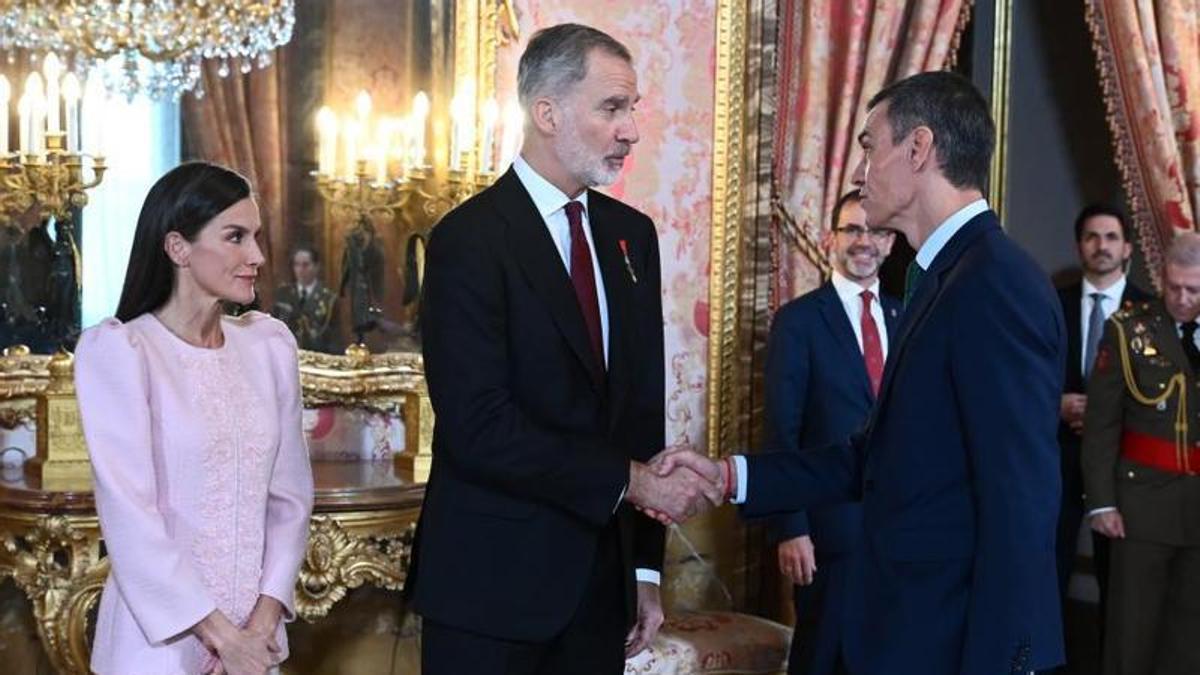
Spain's King proposes his official trips, but the Government disposes — a constitutional reality that often goes unnoticed. El Periódico Mediterráneo reports that former Palace advisors and constitutional experts have documented cases where different Spanish governments blocked, delayed, or conditioned the monarch's travels, from Cuba to Barcelona to Spain's North African territories of Ceuta and Melilla.
The pattern reveals a fundamental tension in Spain's constitutional monarchy. While the King holds symbolic authority, the sitting Government retains practical control over his official movements — a power that has been wielded across different political administrations for security, diplomatic, or political reasons.
A Crown Without Full Freedom of Movement
Spain's 1978 Constitution grants the King broad ceremonial powers and symbolic status. Yet constitutional law has long held that official state trips require Government approval and coordination. Diario de Ibiza notes that the Palace — known as La Zarzuela — proposes travel dates and destinations, but the Prime Minister's office must sign off. Security concerns, diplomatic implications, and political timing all factor into these decisions.
This dynamic differs sharply from some monarchies where the sovereign enjoys greater autonomy. Spanish governments have used this leverage repeatedly. Some trips get postponed for months. Others face conditions attached — demands that certain officials join the delegation or that specific messages be delivered.
When Governments Blocked Royal Visits to Sensitive Regions
Barcelona and Catalonia have become flashpoints. During periods of intense regional tension, particularly around independence movements, the Government has urged the King to avoid or minimize visits to avoid inflaming separatist sentiment. El Periódico de Aragón reports that Palace staff recall instances where planned royal visits were shelved weeks before departure.
Ceuta and Melilla — Spain's North African enclaves — presented different obstacles. Geopolitical sensitivities with Morocco and security risks from migration pressures have led governments to restrict royal presence. El Correo documents cases where trips to these territories were postponed indefinitely, leaving Palace planners scrambling to reschedule.
Cuba and the Diplomatic Red Line
Perhaps no destination illustrates Government control more clearly than Cuba. Multiple Spanish administrations blocked or heavily conditioned potential royal visits to the Caribbean island. Diario de Mallorca explains that Cold War tensions, later replaced by embargo politics and human rights concerns, made Cuban trips politically fraught. The Palace would propose. Madrid would refuse.
Former Palace advisors tell La Opinión de Málaga that some proposed trips were cancelled mere days before scheduled departure. The Government's veto came down in writing, with minimal explanation offered to the Royal Household. This pattern has persisted across left-wing and right-wing administrations alike.
A Constitutional Imbalance Rarely Discussed in Public
Constitutional scholars quoted by Información argue that Spain's system places the monarch in an unusual bind. He is head of state, yet lacks genuine autonomy over his own schedule. La Opinión de A Coruña notes that no Spanish government has ever formally published guidelines explaining when and why trips are blocked.
This lack of transparency troubles legal experts. La Opinión de Zamora reports that former Zarzuela officials privately acknowledge the frustration: the King must request permission like a subordinate, even for trips that carry symbolic rather than political weight. LNE and La Opinión de Murcia quote constitutional experts who say reform discussions have been muted, fearing they might undermine the Crown itself.
The Unspoken Rule That Defines Spain's Monarchy
El Correo Gallego summarizes the reality: in Spain's constitutional monarchy, the King reigns but does not rule — and he barely travels without permission. This constraint, informal and rarely debated, remains one of the starkest expressions of where real power lies in Spanish democracy.
Sentiment
NeutralNEGATIVENEUTRALPOSITIVE
Publishers
14
Articles
0
Reach
14
A
AnonymousAuthor


