US-Israel Military Merger Debunked
National Defense Act Formalizes US-Israel Cooperation, Does Not Merge Militaries
Anonymous
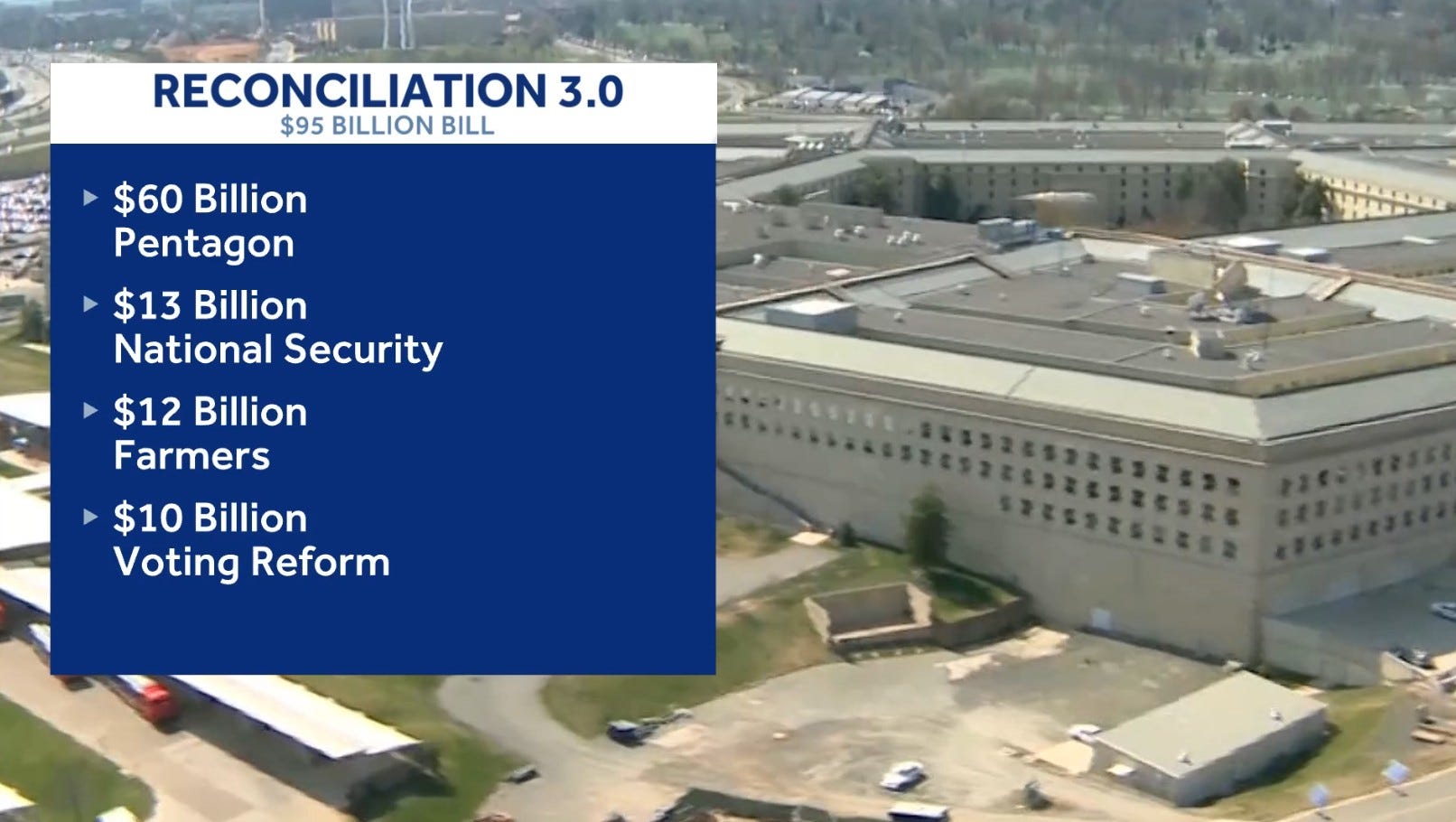
A viral claim that Congress voted to "merge" the U.S. and Israeli militaries is false, according to WBAL-TV. The National Defense Authorization Act (NDAA) — the annual bill that sets Pentagon funding and policy — does not create a joint military command, combine troops, or hand control of U.S. forces to Israel.
The bill does expand cooperation between the two countries. It formalizes joint production of certain technologies, broadens research sharing, and links parts of the defense supply chain. But critics and supporters alike agree: no merger happened.
What Section 219 of the NDAA Actually Says
The controversy centers on Section 219 of the NDAA. That section outlines areas of U.S. and Israeli military cooperation. It covers joint weapons production, shared defense research, and connecting parts of each country's defense supply chain, according to WMUR.
None of that amounts to a merger. The U.S. keeps full command of its own forces. No Israeli officer gains authority over American troops. The section is a cooperation framework — not a command structure.
Bipartisan Critics Push to Strip the Provision
Not everyone in Congress supports Section 219. Reps. Thomas Massie, R-Ky., and Ro Khanna, D-Calif., co-introduced an amendment to remove it from the bill entirely, according to WBAL-TV. Their objection: the provision deepens military ties with Israel in ways they find troubling.
Florida Republican gubernatorial candidate James Fishback also criticized the section publicly. His comments helped fuel the "merger" claim online. But criticizing a provision is different from accurately describing what it does.
House Passed the Bill; Senate Has Not Yet Acted
The House passed the NDAA on July 22, according to WMUR. The Senate has not yet taken it up. That means the bill is not law. Even if it becomes law, Section 219 would not change who commands U.S. forces.
The NDAA passes every year. It is one of the most routine pieces of legislation Congress handles. This year's version runs to hundreds of pages and covers everything from troop pay to weapons programs.
Why the "Merger" Claim Spread and Why It's Wrong
The word "merge" implies two militaries becoming one. That is not what the NDAA does. Joint production agreements and shared research are standard tools of allied cooperation. The U.S. has similar arrangements with NATO countries, Australia, and others, according to WBAL-TV.
The claim spread partly because real critics — including sitting members of Congress — raised loud objections to Section 219. Those objections got stripped of context online. The result was a false but viral story. The bottom line: Congress did not vote to merge the two militaries.
Sentiment
NeutralNEGATIVENEUTRALPOSITIVE
Publishers
4
Articles
3
Reach
4
Topics
A
AnonymousAuthor


