US Retaliates Against Iran
US Forces Launch Third Retaliatory Strike Against Iran Over Civilian Ship Attack
Anonymous
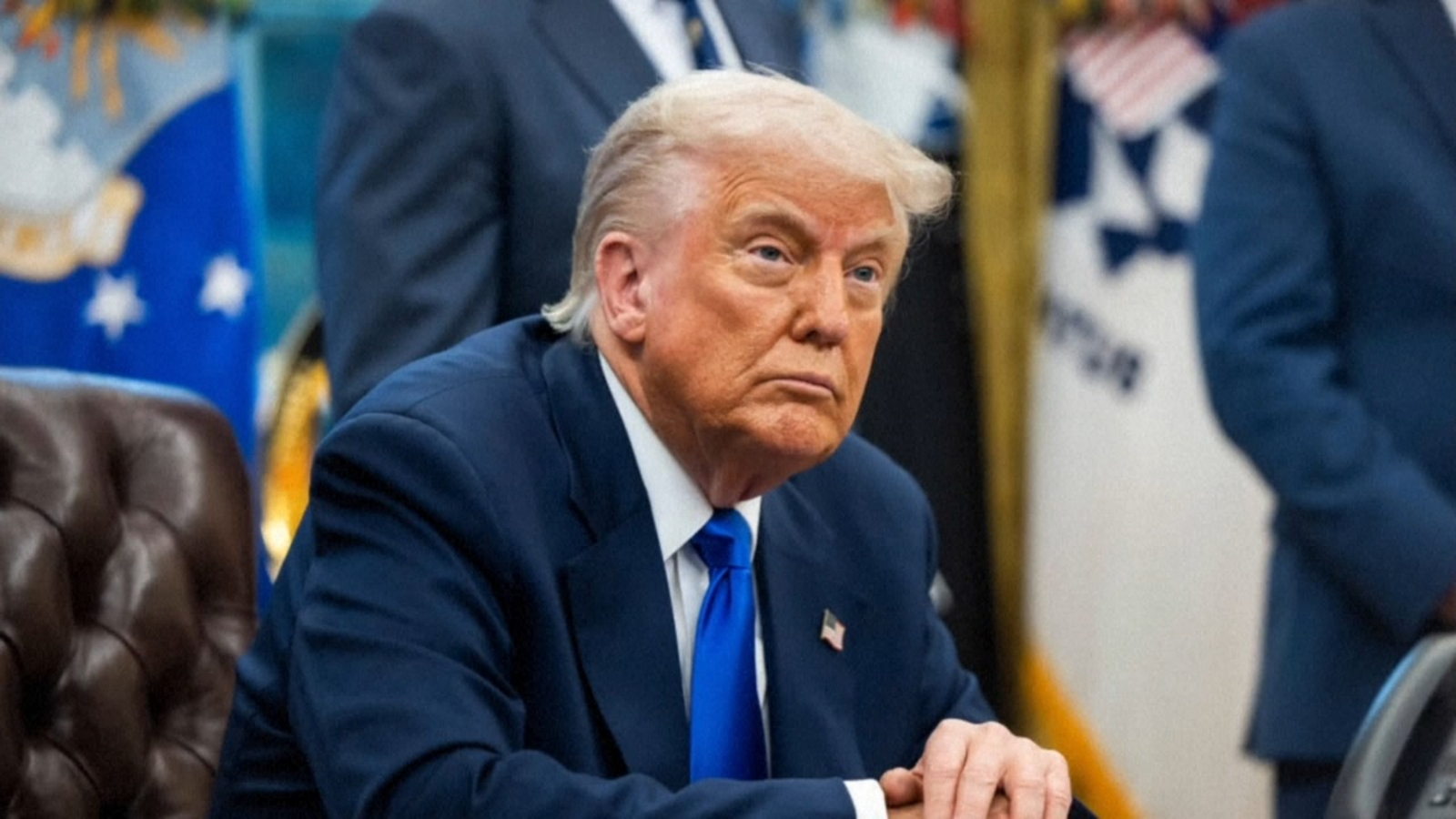
The U.S. military launched a third round of strikes against Iran, this time in direct response to an Iranian attack on a civilian vessel in the Strait of Hormuz, according to ABC News. U.S. Central Command confirmed the offensive, marking a significant escalation in the ongoing confrontation between Washington and Tehran.
The Strait of Hormuz is one of the world's most critical waterways. About 20% of all global oil passes through it. Any disruption there sends shockwaves through energy markets worldwide.
U.S. Central Command Confirms Third Wave of Strikes
U.S. Central Command announced the new offensive in a formal statement. The strikes came after Iranian forces attacked a civilian ship in the Strait of Hormuz, ABC7 News reported. This is the third separate round of U.S. military action against Iran in this conflict. Each round has followed an Iranian provocation.
The decision to strike back was swift. U.S. commanders appear to be operating under a clear policy: any attack on civilian shipping will trigger a military response. The pattern signals that Washington is willing to keep escalating.
Iranian Attack on Civilian Ship Sparks the Retaliation
Iranian forces targeted a civilian vessel passing through the Strait of Hormuz, according to ABC7 NY. The attack on a non-military ship is a major provocation. Under international law, civilian vessels are protected. Striking one is considered an act of aggression.
The Strait of Hormuz is only about 33 kilometers wide at its narrowest point. Despite its size, roughly 17 million barrels of oil pass through it every day. An attack there does not just threaten ships — it threatens global energy supply.
Third Round of Strikes Signals Deepening U.S.-Iran Conflict
The fact that this is already the third round of U.S. strikes is critical. Each new exchange raises the risk of a broader war. ABC News confirmed that U.S. forces have now struck Iranian targets multiple times in rapid succession, a pace not seen in recent U.S.-Iran history.
Iran has not yet publicly stated how it will respond to this latest U.S. offensive. But past behavior suggests Tehran will retaliate. Each cycle of attack and counter-attack has grown more intense. The window for de-escalation appears to be narrowing fast.
Strait of Hormuz Remains the Flashpoint for Global Stability
The Strait of Hormuz sits between Iran and Oman. It connects the Persian Gulf to the open ocean. Because so much of the world's oil moves through it, a conflict there affects fuel prices from Tokyo to New York. Closing or disrupting it would be an economic shock felt globally.
With U.S. forces now carrying out a third offensive and Iranian attacks on civilian ships, the strait is no longer just a trade route — it is a war zone. The international community is watching closely to see whether either side blinks first.
Sentiment
NeutralNEGATIVENEUTRALPOSITIVE
Publishers
6
Articles
0
Reach
6
Topics
A
AnonymousAuthor


