Katrina's Lasting Legacy
Remembering Hurricane Katrina and Its Lasting Impact on Coastal Preparedness After 21 Years
Anonymous
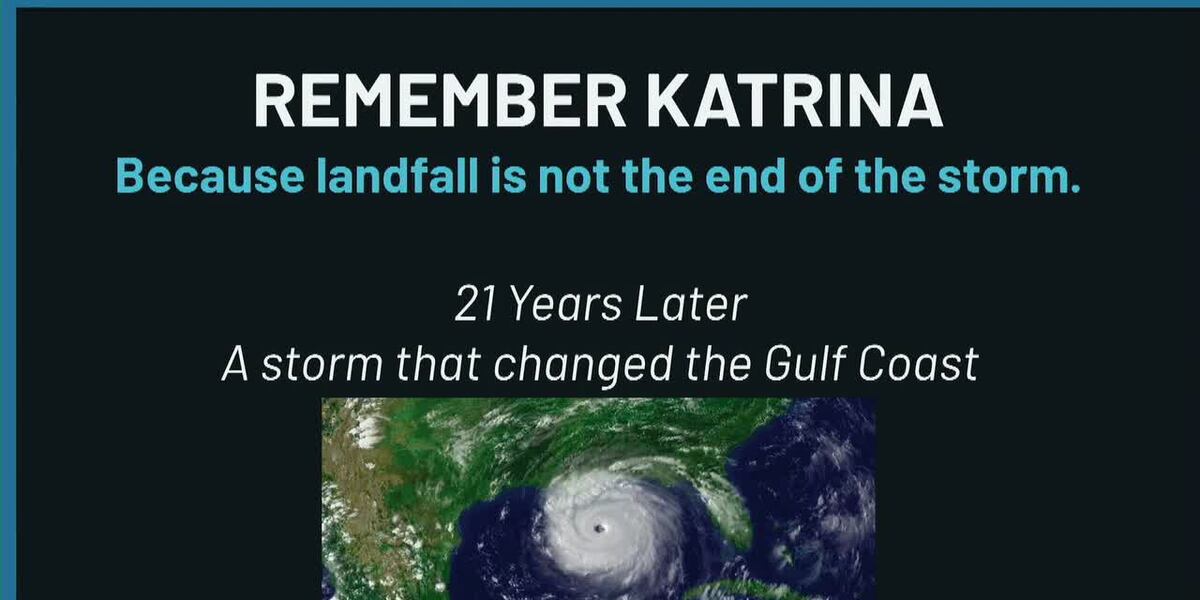
Hurricane Katrina, one of the strongest hurricanes ever recorded in the Atlantic basin, devastated the Gulf Coast 21 years ago. The storm reached Fox 10 TV Category 5 intensity with 175 mph winds before weakening to Category 3 at landfall. It produced catastrophic storm surge along the Mississippi coast, devastating flooding in New Orleans, and widespread destruction across Louisiana, Mississippi, Alabama, and the Florida Panhandle.
Rapid Intensification Over the Gulf
Katrina formed over the Atlantic and moved into the Gulf of Mexico, where warm water fueled explosive growth. The storm intensified rapidly, reaching its peak strength as a Category 5 hurricane with winds of 175 mph. This extreme power made it one of the most dangerous hurricanes ever observed in the Atlantic basin, according to Fox 10 TV.
Catastrophic Storm Surge and Flooding
When Katrina made landfall as a Category 3 hurricane, it unleashed catastrophic storm surge that battered the Mississippi coast and inundated New Orleans. The combination of storm surge, heavy rainfall, and overwhelmed drainage systems created unprecedented flooding. Entire neighborhoods were submerged under several feet of water, trapping residents and complicating rescue efforts.
The Human Toll and Long-Term Aftermath
Katrina's impact on human lives was staggering. Thousands died, and hundreds of thousands were displaced from their homes. Communities across four states faced years of rebuilding. The storm left scars that persist in neighborhoods, infrastructure, and the lives of survivors who lost homes, possessions, and loved ones.
How Katrina Transformed Emergency Preparedness
Katrina exposed critical gaps in hurricane forecasting, storm-surge modeling, and emergency management systems. In response, meteorologists improved forecast models to better predict storm intensity and track. Officials redesigned coastal evacuation procedures and strengthened building codes in vulnerable areas. The disaster fundamentally changed how the nation prepares for and responds to major hurricanes, making communities more resilient to future storms.
Sentiment
NeutralNEGATIVENEUTRALPOSITIVE
Publishers
4
Articles
2
Reach
4
Topics
A
AnonymousAuthor


