Eating to Combat Jet Lag
Experts Offer Essential Eating and Drinking Tips to Minimize Jet Lag Symptoms on Summer Trips
Anonymous
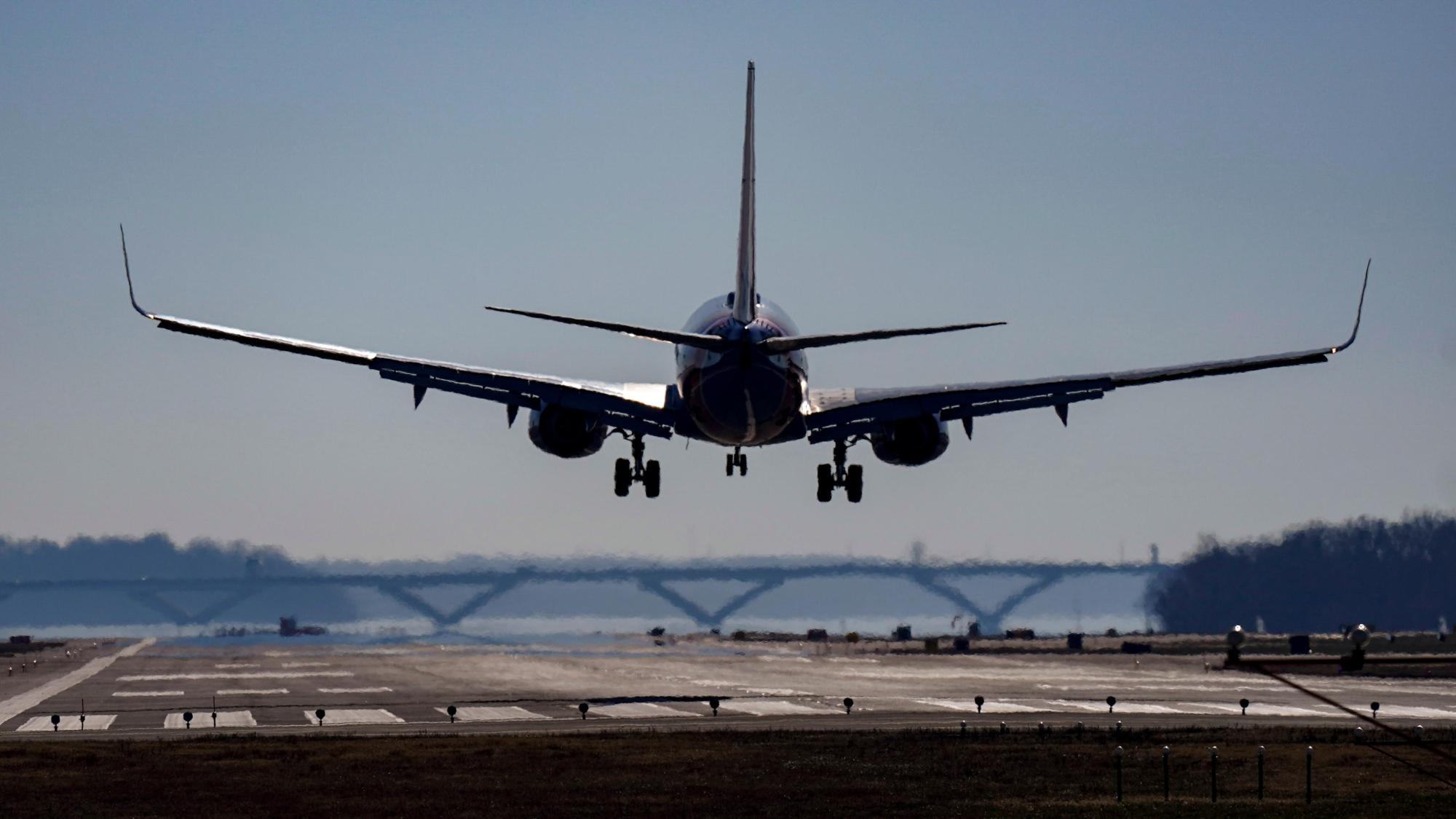
Summer travel is picking up, and so is jet lag — the miserable condition that hits when your body clock falls out of sync with a new time zone. It can trigger sleep problems, daytime exhaustion, headaches, and an upset stomach. The good news: what you eat and drink before and during your flight can make a real difference, according to Journal Advocate.
Experts say small, well-timed meals and smart drink choices are among the easiest tools travelers have to fight back against jet lag. The fixes are simple — but most fliers skip them entirely.
Shifting Meal Times Helps Reset Your Body Clock
Your body uses meal timing as a signal to set its internal clock. Eating breakfast at local time after landing — even if it feels wrong — tells your body to adjust faster. Experts say syncing your first meal to the destination's schedule is one of the most effective tricks available, according to Boston Herald.
The strategy works in both directions. If you're flying east and need to wake up earlier, try eating your first meal earlier in the days before you leave. Small, consistent shifts of 30 to 60 minutes can ease the transition before you even board the plane.
Keep Meals Small Before and During Your Flight
Heavy meals during travel are a bad idea. The Centers for Disease Control and Prevention recommends keeping meals small before and while you fly to avoid stomachaches and digestive discomfort. Cabin pressure changes can make bloating and nausea worse, so a light meal beats a big one every time, according to The Times-Tribune.
Think lean proteins, fruits, and vegetables over greasy or heavy foods. Big, rich meals slow digestion and make it harder to sleep — two things that will make jet lag worse, not better.
Skip the Alcohol — It Wrecks Sleep and Eating Habits
That in-flight cocktail feels relaxing, but alcohol is one of the worst things you can drink when fighting jet lag. It disrupts sleep quality and throws off your normal eating patterns. Experts and the CDC both warn travelers to avoid it, especially on overnight flights, according to Boston Herald.
Alcohol also dehydrates you. Airplane cabins already have extremely dry air, which speeds up fluid loss. Even a single drink can amplify that effect and leave you feeling worse when you land.
Drink Eight Glasses of Water a Day to Fight Dry Cabin Air
Staying hydrated is one of the simplest jet lag defenses. Experts recommend drinking eight glasses of water per day — especially at your destination — to counter the dehydrating effects of dry cabin air. Dehydration by itself mimics several jet lag symptoms, including headaches and fatigue, according to The Times-Tribune.
Start drinking water before you board, not just during the flight. Arriving already dehydrated makes everything harder — from sleeping at the right time to simply feeling alert on day one of your trip.
Sentiment
NeutralNEGATIVENEUTRALPOSITIVE
Publishers
4
Articles
4
Reach
4
A
AnonymousAuthor


