Record Canadian Real Estate Deal
Leyad Completes Record $300 Million Acquisition of Loblaw Retail Portfolio Across Canada
Anonymous
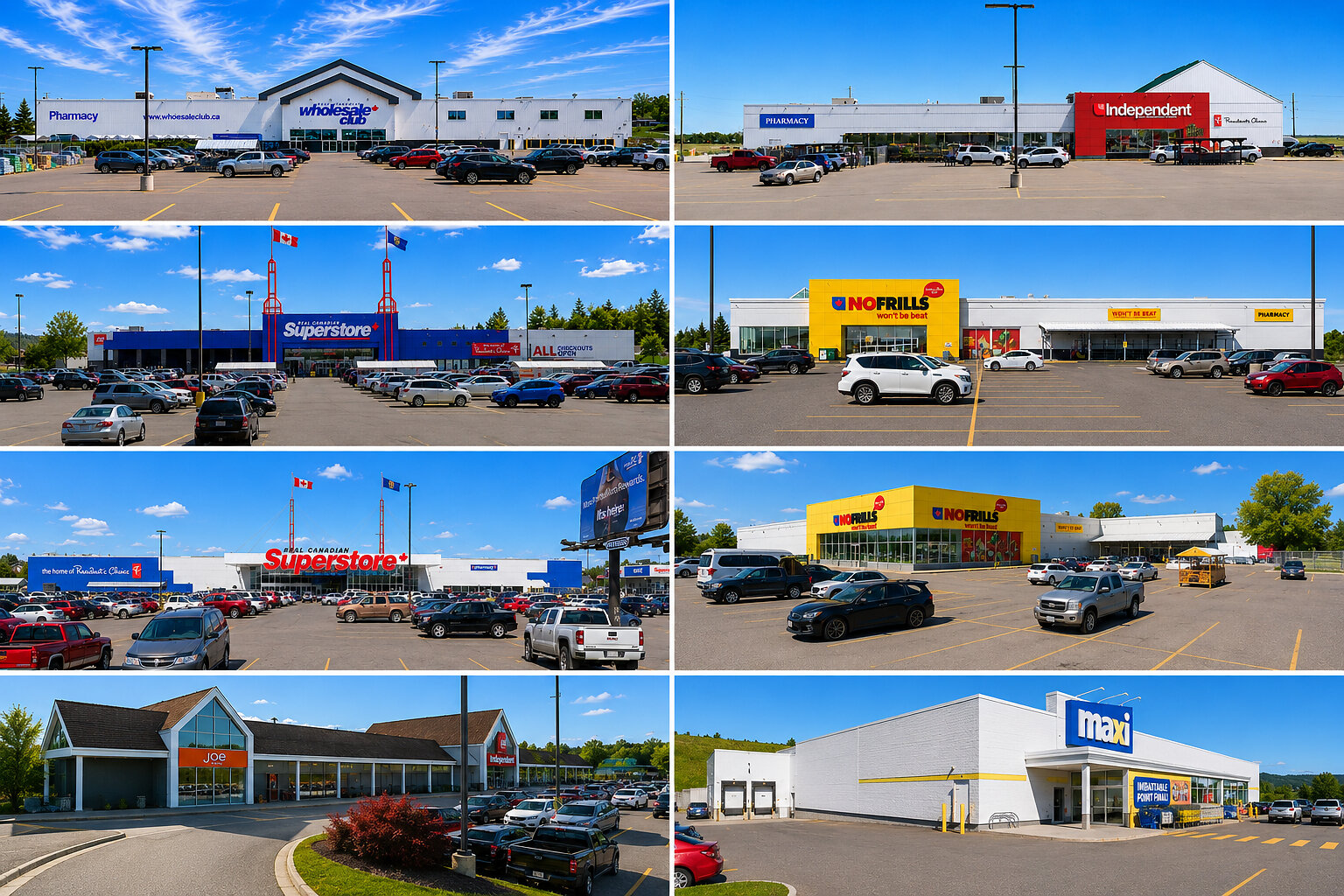
Leyad, a Canadian real estate firm, has closed a nearly $300 million deal to buy Loblaw-leased retail properties spread across ten provinces. The Montreal Gazette reports this is the largest Canadian retail real estate transaction of 2026. The portfolio includes single-tenant stores on long-term leases, with Loblaw now Leyad's biggest tenant by revenue.
The properties are locked into triple-net leases with a weighted average lease term of 14 years. This gives Leyad steady, predictable income from Canada's largest food retailer. The deal strengthens Leyad's strategy to build a diversified national portfolio of income-producing real estate across the country.
Nearly $300M Deal Marks Leyad's Biggest Retail Bet
Leyad's acquisition of Loblaw properties represents a major shift in the company's real estate strategy. The Recorder notes the portfolio spans ten provinces, making it a truly national footprint. Single-tenant properties leased to Canada's largest grocer provide stable, long-term revenue with minimal tenant-turnover risk.
The 14-year weighted average lease term means Leyad has locked in rental payments for more than a decade. This structure eliminates uncertainty about vacancy or rent renegotiations in the near term. Loblaw's size and credit strength make these leases among the safest in Canadian retail real estate.
Loblaw Becomes Leyad's Largest Revenue Driver
The grocery giant now represents Leyad's single largest tenant by revenue, a dramatic shift from prior years. The Owen Sound Sun Times reports the deal deepens a relationship already established between the two companies. This concentration shows how central Loblaw properties are to Leyad's current portfolio strategy.
Holding multiple properties leased to one anchor tenant carries both benefits and risks. The benefit: predictable rent from a stable, essential business. The risk: heavy exposure to one company. Leyad's portfolio likely balances this with other tenants to reduce concentration risk.
Triple-Net Leases Lock in Long-Term Income
Triple-net leases shift most operating costs to the tenant. Loblaw pays property taxes, insurance, and maintenance. Leyad collects rent without managing day-to-day expenses. The Pembroke Observer confirms this structure protects Leyad's cash flow and simplifies asset management across all ten provinces.
This lease type appeals to investors seeking passive income. Leyad avoids the complexity of managing retail properties directly. Instead, the firm collects reliable payments for fourteen years, then reassesses the relationship with Loblaw. It's a straightforward bet on Loblaw's continued success and real estate value appreciation.
Sentiment
NeutralNEGATIVENEUTRALPOSITIVE
Publishers
11
Articles
11
Reach
11
A
AnonymousAuthor


