Thyroid Medication Recall
FDA Recalls Commonly Prescribed Thyroid Medication Levothyroxine Due to 'Subpotent' Active Ingredient
Anonymous
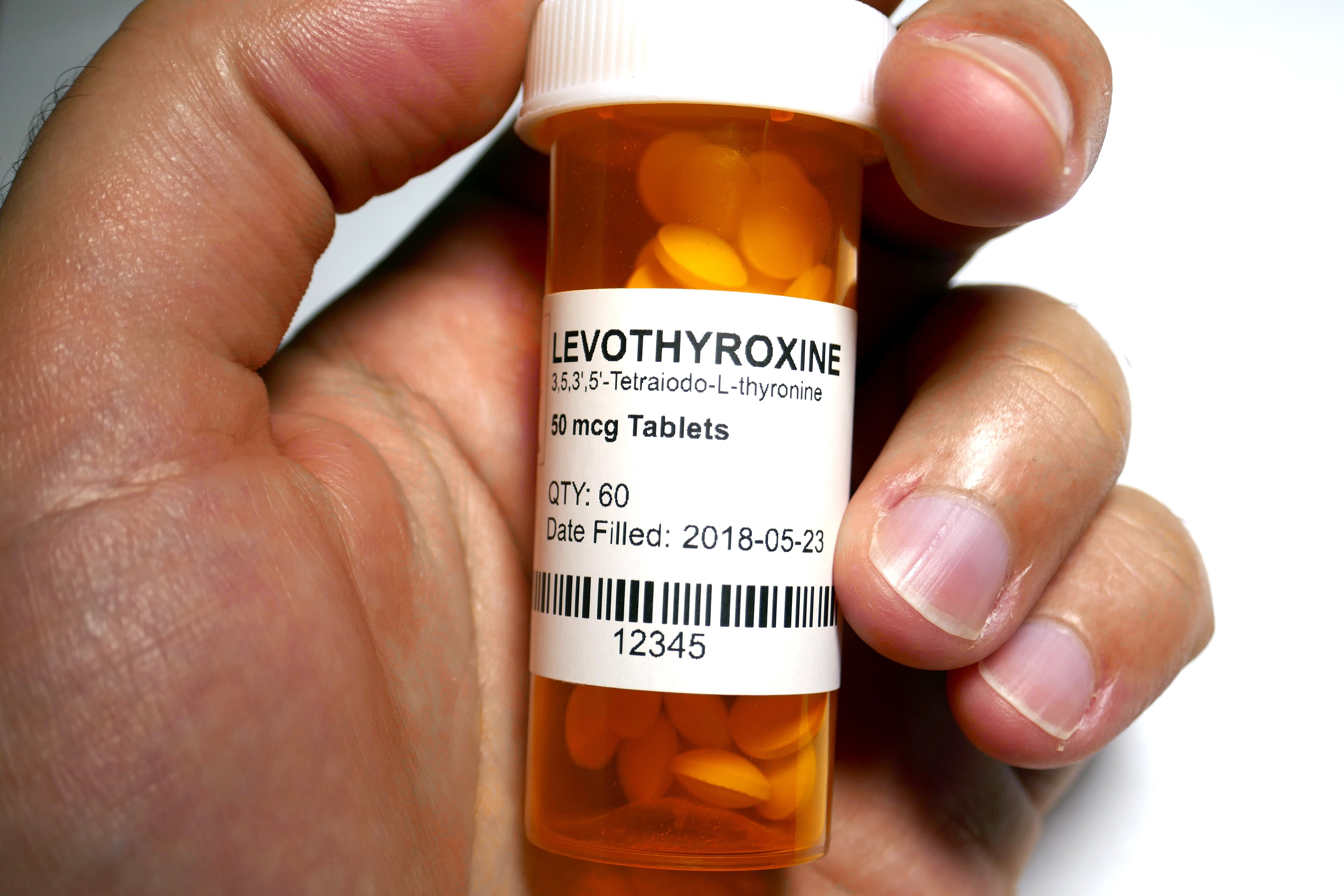
The FDA has recalled a widely used thyroid medication after finding it was "subpotent" — meaning it contains less active ingredient than it should. The drug, levothyroxine sodium tablets, is one of the most commonly prescribed medications in the United States, used to treat hypothyroidism and shrink enlarged thyroid glands, according to NBC New York.
The FDA issued a Class II recall on July 13. That means the products may cause temporary or reversible health problems, but the chance of serious harm is low. Major Pharmaceuticals packaged and distributed the recalled tablets. Cardinal Health also distributed some of the affected products, NBC Washington reported.
What 'Subpotent' Means and Why It Matters
A subpotent drug has less of its active ingredient than required. For levothyroxine, that gap matters a lot. The medication works by replacing or supplementing a hormone the thyroid gland does not make enough of. If the dose is too low, the body does not get the hormone levels it needs, NBC Chicago reported.
Untreated or undertreated hypothyroidism can cause fatigue, weight gain, and other symptoms. Patients taking subpotent tablets may feel those symptoms return even while staying on their medication. That is why the FDA acted, even though the recall is classified as low risk for serious harm, according to NBC Philadelphia.
Which Products Were Recalled and Who Distributed Them
Major Pharmaceuticals is the company that packaged and distributed the recalled levothyroxine tablets. Cardinal Health, a major drug distributor, also shipped some of the affected products to pharmacies and health systems, according to NBC DFW.
Patients who want to know if their specific bottle is part of the recall should check the lot number on their prescription label. The FDA posts full recall details, including lot numbers and expiration dates, on its website. NBC Boston advised patients to contact their pharmacist or doctor if they are unsure.
FDA Class II Recall: Serious but Not an Emergency
The FDA places recalls into three classes. Class I is the most serious — products that could cause severe harm or death. Class II, which applies here, means the product may cause temporary or reversible health effects. The risk of a life-threatening outcome is considered remote, NBC Connecticut reported.
A Class II recall still requires action. Companies must pull the product from shelves and notify distributors and customers. The FDA monitors the process to make sure the recalled tablets are removed from the supply chain, according to NBC San Diego.
What Patients Should Do Right Now
Patients should not stop taking their thyroid medication without talking to a doctor first. Stopping suddenly can make hypothyroidism worse. Instead, call your pharmacist to find out if your specific prescription is part of the recall, NBC Miami reported.
If your medication is recalled, your doctor can write a new prescription for a different lot or brand. The FDA also urges anyone who had a health problem they think is linked to this medication to report it through MedWatch, the agency's safety reporting program, according to NBC Miami.
Sentiment
NeutralNEGATIVENEUTRALPOSITIVE
Publishers
9
Articles
8
Reach
9
Topics
A
AnonymousAuthor


