Pasaporte digital textil
La Unión Europea implementa el pasaporte digital para reducir el impacto ambiental textil
Anonymous
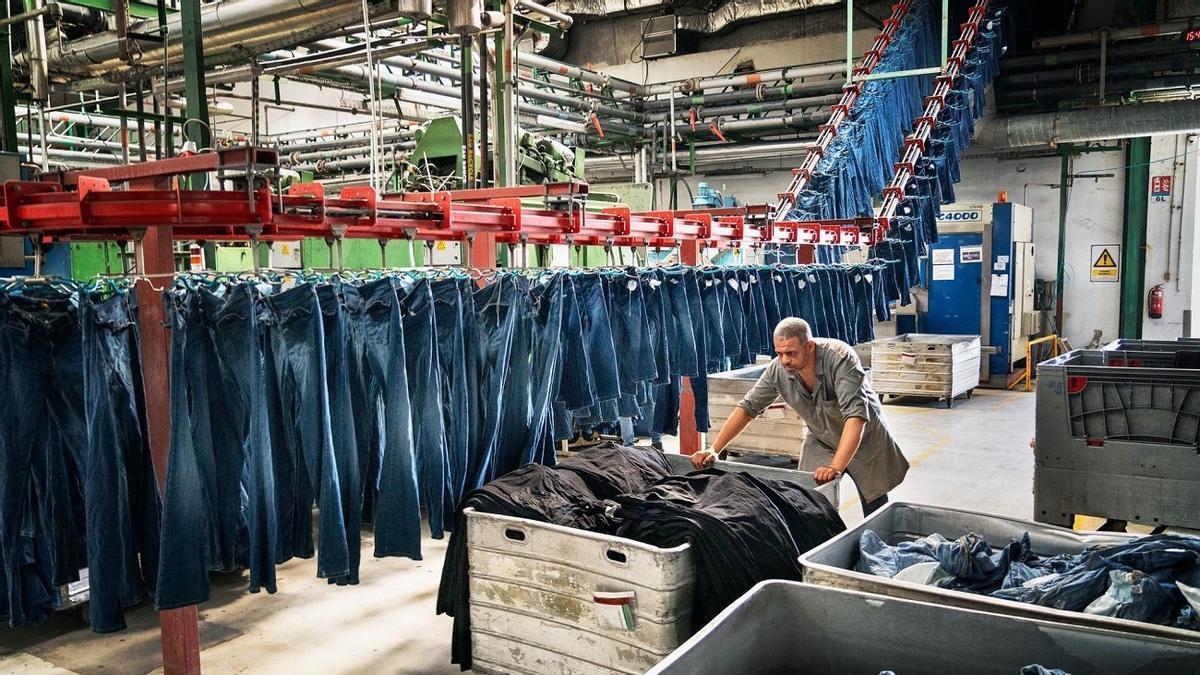
Making a single pair of jeans requires 3,800 liters of water — enough to fill 15 bathtubs. The European Union is cracking down on the fashion industry's environmental footprint by requiring digital passports for all clothing starting next year. These passports will show each garment's water use, carbon emissions, and other environmental impacts El Correo Gallego.
Hidden Water Cost of Fast Fashion
A single pair of jeans consumes 3,800 liters of water during production El Periódico Mediterráneo. This staggering number includes water used to grow cotton, dye fabric, and finish the garment. For context, the average person drinks about 2 liters of water per day — meaning one pair of jeans uses more water than a person drinks in nearly five years.
The fashion industry ranks among the world's largest water consumers. Clothing manufacturing generates massive pollution and depletes freshwater sources in cotton-growing regions. Companies now face pressure to reduce waste and report their true environmental cost El Periódico.
EU's Digital Passport Requirement Takes Effect
The European Union will mandate digital passports for all clothing next year La Opinión de Córdoba. These digital documents will track and display each garment's environmental footprint. Shoppers will scan a code and instantly see water usage, carbon emissions, chemical pollution, and waste data.
The passport system aims to push brands toward cleaner production methods. Transparent labeling forces companies to compete on sustainability, not just price. Brands that reduce water use and emissions gain a competitive edge Levante-EMV.
Brands Launch Water-Saving Production Techniques
Leading fashion companies are investing in new technologies to cut water consumption. Some brands now use recycled water, waterless dyeing methods, and more efficient cotton farming El Día. These innovations can reduce water use by 40-50% compared to traditional processes.
Other manufacturers focus on alternative materials like lab-grown fabrics and recycled fibers La Opinión de Málaga. These options eliminate the massive water demands of conventional cotton production. However, scaling these solutions requires investment and time.
Consumer Power and the Path Forward
Transparency through digital passports empowers consumers to make greener choices La Opinión de Zamora. Shoppers can now see exactly what their clothing purchase costs the environment. This knowledge drives demand for sustainable brands and pushes the industry to innovate faster.
The EU regulation signals a global shift toward accountability in fashion Diario de Ibiza. Other countries and regions are watching closely and may adopt similar requirements. The industry's future depends on balancing style with sustainability — and making that choice visible to everyone.
Sentiment
NeutralNEGATIVENEUTRALPOSITIVE
Publishers
17
Articles
0
Reach
17
A
AnonymousAuthor


