National Anti-Racism Commission
BCAS urges Canada to establish national commission on legacy of slavery and anti-Black racism.
Anonymous
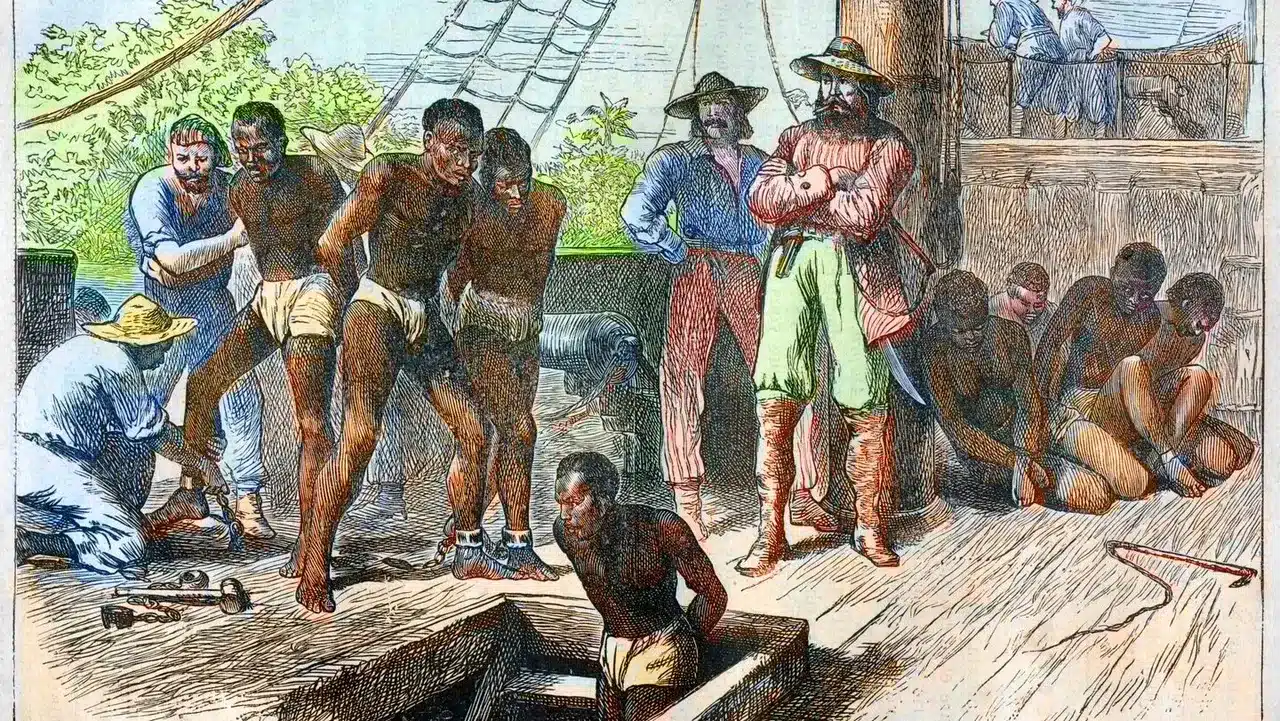
The Black Class Action Secretariat (BCAS) is calling on the federal government to create a National Commission on the Legacy of Slavery and Anti-Black Racism in Canada, according to Leader-Post. The commission would study how slavery, segregation, and systemic anti-Black racism still shape Canadian life today.
The push comes as Black Canadians continue to face documented gaps in employment, health, housing, and justice outcomes. BCAS says a formal national body is needed to name those harms — and fix them, according to Edmonton Sun.
What the Proposed Commission Would Actually Do
The commission would examine how historical discrimination still affects Black Canadians today, according to Sault Star. It would look at eight key areas: employment, education, housing, health care, immigration, economic opportunity, policing, and the justice system. Each area would be reviewed for lasting harm tied to Canada's history of slavery and segregation.
Beyond research, the commission would also identify specific reforms. That means recommending changes to laws, government policies, and public institutions, Woodstock Sentinel Review reported. The goal is to produce concrete steps that move Canada closer to racial equality — not just a report that sits on a shelf.
BCAS Wants Broad Consultations Across Canada
BCAS is not asking the federal government to act alone. The group wants the commission to consult widely — with Black communities, provinces and territories, Indigenous partners, universities, employers, unions, and civil society groups, according to Owen Sound Sun Times.
That broad approach is intentional. Slavery and anti-Black racism did not affect only one region or one group. By bringing in multiple voices, BCAS hopes the commission's findings will carry more weight and lead to reforms that work across the whole country, Shoreline Beacon reported.
Canada's History of Slavery Is Often Overlooked
Many Canadians are unaware that slavery existed on Canadian soil for over 200 years. Both Indigenous and African people were enslaved under French and British colonial rule. Segregation in schools, housing, and public spaces continued well into the 20th century, according to Mitchell Advocate.
BCAS argues this history has never been fully examined at the national level. Without a formal commission, the group says Canada cannot properly understand — or address — the inequalities that stem from that past, Cochrane Times Post reported.
BCAS and Its Fight for Black Federal Workers
The BCAS is best known for leading a class action lawsuit on behalf of Black federal public servants who say they faced systemic racism in the workplace. The group has spent years pushing the government to acknowledge and compensate those workers, according to Fort McMurray Today.
This new call for a national commission builds on that work. BCAS sees the commission as a broader tool — one that goes beyond any single lawsuit and forces Canada to reckon with anti-Black racism as a structural problem, not just a workplace one, Hanna Herald reported.
Sentiment
NeutralNEGATIVENEUTRALPOSITIVE
Publishers
23
Articles
23
Reach
23
A
AnonymousAuthor