Polémica por documental de Lorca
RTVE recibe duras críticas en redes sociales por el enfoque de su nuevo documental sobre Lorca
Anonymous
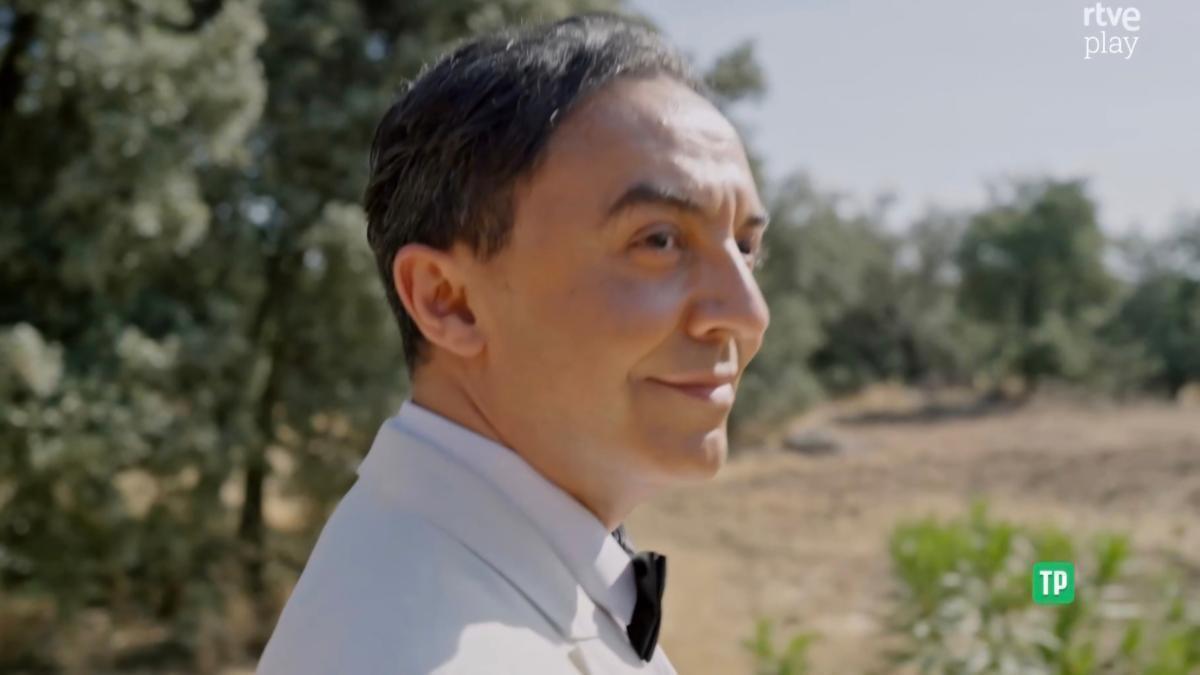
Spain's state broadcaster RTVE is facing a firestorm of criticism on social media for its new documentary about poet Federico García Lorca's 1936 murder. El Periódico reports the film frames the killing as a true crime mystery, sparking outrage that the format removes the political context of his assassination during Spain's civil war and blurs responsibility of the fascist rebels who killed him.
Documentary Format Strips Political Context From Lorca's Death
Lorca, one of Spain's greatest 20th-century poets, was executed by Franco's forces in August 1936 at the start of the civil war. His death was a political killing — part of a broader fascist purge of intellectuals and leftists. By treating it as a true crime puzzle, critics say RTVE erases this crucial history and reduces a state-sponsored murder to a whodunit.
Social Media Erupts Over RTVE's Controversial Creative Choices
Users across Spain's social platforms condemned RTVE for what they see as a betrayal of historical truth. The broadcaster's decision to use entertainment-style storytelling — more suited to unsolved mysteries — has been widely panned as irresponsible given Lorca's status as a symbol of fascism's victims and the Spanish state's ongoing reckoning with civil war atrocities.
Spanish Media and Institutions Question RTVE's Editorial Judgment
The backlash reveals deep concern that state media is mishandling Spain's historical memory. Journalists and cultural figures worry that packaging fascist violence as crime entertainment normalizes atrocities and undermines efforts to preserve the truth about the civil war and dictatorship. RTVE has not yet responded to the widespread condemnation.
Lorca's Legacy at Stake in Spanish Historical Debate
Lorca remains central to Spain's confrontation with its dictatorship past. His death exemplifies how Franco's regime systematized violence against artists and thinkers. The documentary controversy underscores tensions over how Spain tells its own dark history — whether through political truth or entertainment spectacle.
Sentiment
NeutralNEGATIVENEUTRALPOSITIVE
Publishers
13
Articles
0
Reach
13
Topics
A
AnonymousAuthor


