Microplásticos y cáncer pulmonar
Nueva investigación médica detecta niveles elevados de microplásticos en pulmones con cáncer
Anonymous
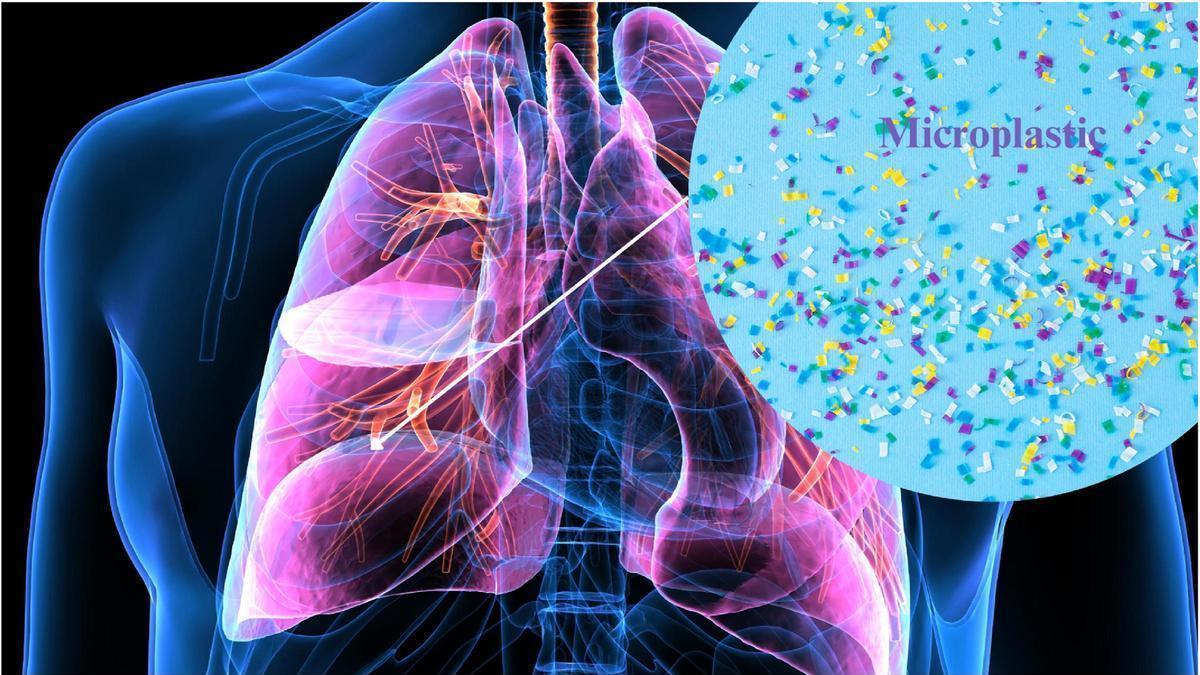
Medical research is strengthening evidence that microplastics—tiny plastic particles smaller than 5 millimeters—accumulate in the lungs of cancer patients at higher rates than healthy people. El Periódico reports that new studies now confirm these particles can trigger serious lung diseases, including cancer.
How Microplastics Reach Your Lungs
Microplastics enter the body through air we breathe every day. These particles come from car tire wear, plastic bags, synthetic clothing, and decaying plastic waste in landfills and oceans. When we inhale them, they travel down the windpipe into lung tissue. El Periódico Extremadura notes that daily exposure means most people inhale thousands of these particles without knowing it.
Higher Microplastic Levels in Cancer Patients
Scientists comparing lung tissue from cancer patients to healthy people found a striking difference. Cancer patients had significantly more microplastic particles lodged inside their lungs. Diario de Mallorca confirms this accumulation pattern appears across multiple patient groups, suggesting microplastics play a role in tumor development rather than just being a symptom.
Inflammation and Cell Damage as Disease Triggers
When microplastics stay in lung tissue, they trigger inflammation—the body's immune response. This chronic irritation damages healthy lung cells over time. Diario de Ibiza explains that repeated inflammation can cause cells to mutate, eventually leading to cancer and other respiratory diseases. The longer particles remain, the greater the risk.
Closing Gaps in Medical Knowledge
Earlier studies showed microplastics in human lungs but couldn't prove they caused disease. La Opinión de Murcia reports that new research now connects the dots between microplastic exposure, chronic inflammation, and lung cancer development. Scientists say this evidence demands urgent action on plastic production and air quality monitoring.
Sentiment
NeutralNEGATIVENEUTRALPOSITIVE
Publishers
10
Articles
0
Reach
10
A
AnonymousAuthor


