California's Protected Coastline
California's Extensive State Park System Preserves Hundreds of Beaches and Coastline
Anonymous
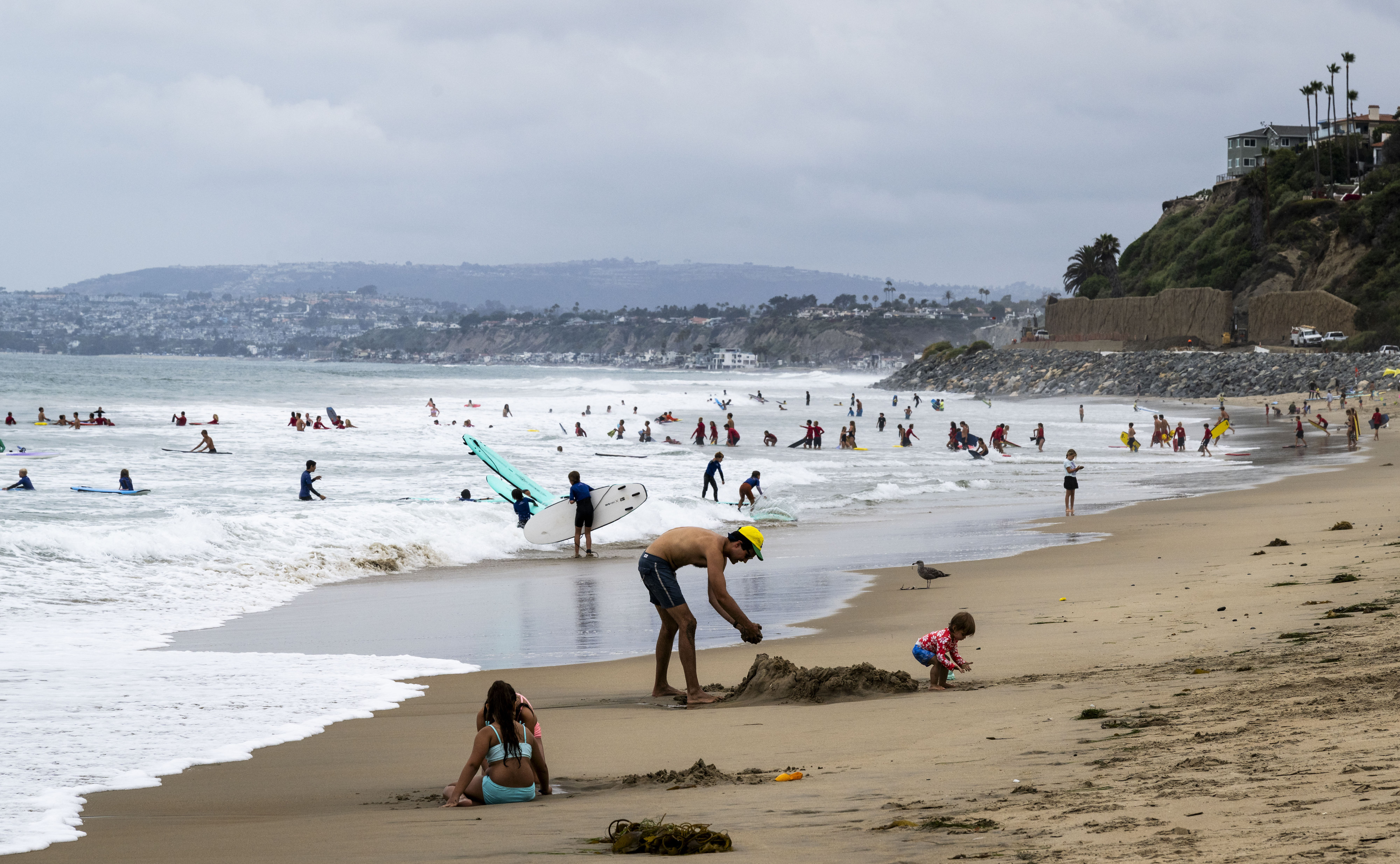
California is home to one of the largest coastal park systems in the United States. The state has 280 park units total, with more than 340 miles of coastline protected under the California State Park System, according to SB Sun.
The system also includes 15,000 campsites, 3,543 miles of non-motorized trails, and over 11,000 known prehistoric and historic archaeological sites. It took decades of planning to build what visitors enjoy today.
No Plan Existed Before 1927 to Protect California's Coast
Before 1927, California had no unified plan for protecting its beaches, parks, or natural landmarks. There was no system in place to preserve recreational, natural, or cultural treasures for future generations, Daily Breeze reported.
That changed when the state began building a coordinated park network. Today, that network spans 970 miles of lake and river frontage in addition to its coastal holdings. The growth from zero structure to 280 park units represents nearly a century of steady expansion.
Pismo State Beach Stretches 17 Miles Along the Central Coast
The longest state beach in California is Pismo State Beach. It stretches approximately 17 miles and runs along the towns of Pismo Beach, Grover Beach, and Oceano in San Luis Obispo County, according to Press Telegram.
That makes Pismo a standout even within a large system. Most state beaches are far shorter. Pismo's size allows for a wide range of activities across its dunes, shoreline, and beach communities.
Marine Protected Areas Cover Key Ocean Zones Statewide
California also manages a network of Marine Protected Areas, or MPAs. These are zones in the ocean where fishing and other activities are limited to protect sea life and habitats, OC Register reported.
The legal foundation for MPAs came in 1999, when the Marine Life Protection Act became law. The state then rolled out the program region by region from 2004 to 2012. The process used a public-private partnership to bring in scientists, fishermen, and local communities.
337 Miles of Motorized Trails Round Out a Massive Recreation Network
Beyond the beaches, California's state park system is built for many types of outdoor use. It includes 337 miles of motorized trails alongside 3,543 miles of non-motorized paths, according to SB Sun.
The system also protects history. More than 11,000 known prehistoric and historic archaeological sites fall within state park boundaries. That combination of recreation, coastline, and cultural history makes California's park network one of the most diverse in the country.
Sentiment
NeutralNEGATIVENEUTRALPOSITIVE
Publishers
4
Articles
3
Reach
4
A
AnonymousAuthor