August Planting Guide
Gardening Experts Advise on Best Vegetables to Plant in August for Fall Transition
Anonymous
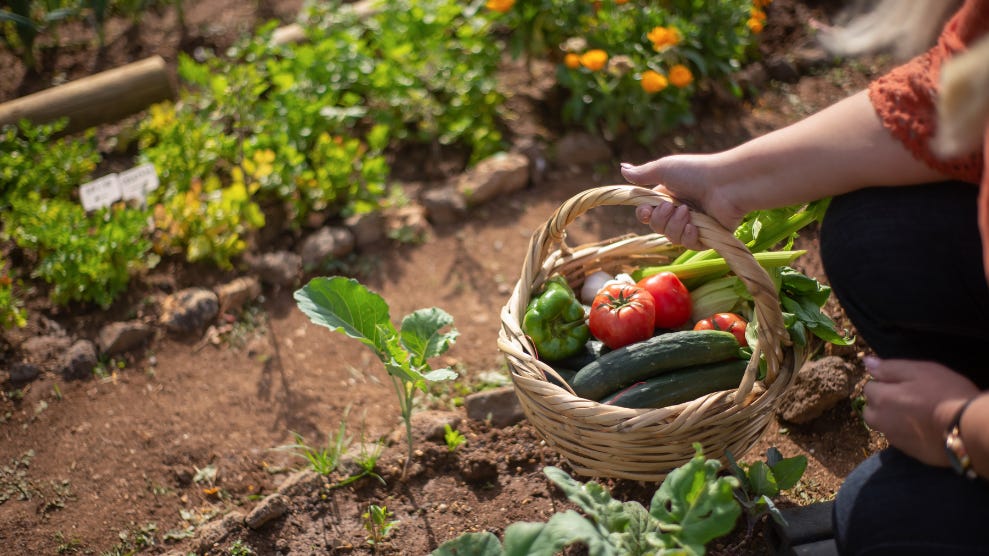
August is not a time to let your garden idle. Gardening experts say it is one of the best months to start planting cool-season crops before fall arrives, according to Des Moines Register. Leafy greens, root vegetables, herbs, and brassicas are all strong choices for an August start.
The key is timing. Tennessean reports that gardeners must know their region's first frost date before putting anything in the ground. Planting too late can mean losing crops to an early freeze before they mature.
Leafy Greens and Brassicas Lead the August Planting List
Cool-season crops thrive when planted in August because they mature as temperatures drop. Experts point to lettuce, spinach, kale, and arugula as top picks for leafy greens. Brassicas like broccoli, cabbage, and Brussels sprouts also do well when started now, according to Greenville Online.
These plants actually taste better after a light frost. The cold converts starches in the leaves to sugar. That makes late-season harvests sweeter than anything grown in summer heat, Cape Cod Times notes.
Root Vegetables and Herbs Round Out the Fall Garden
Root vegetables are another strong August choice. Carrots, beets, radishes, and turnips all grow well in cooling soil. Radishes are especially fast, often ready to harvest in as few as 25 to 30 days after planting, according to Indy Star.
Herbs are also worth planting now. Cilantro, parsley, and dill prefer cooler weather and tend to bolt — meaning they go to seed quickly — in summer heat. Starting them in August gives them ideal growing conditions, SC Times reports.
Know Your Frost Date Before You Plant Anything
Experts stress that the first frost date is the most important number a gardener needs to know. Each vegetable has a set number of days to maturity. Count backward from your frost date to find your last safe planting window, according to Tallahassee.com.
For example, if your first frost falls on October 15 and you are planting a crop that takes 60 days to mature, you need to get seeds in the ground by mid-August at the latest. Missing that window means losing your harvest to the cold, York Daily Record notes.
The Right Tools and Fertilizer Make All the Difference
Experts recommend using organic fertilizer for fall vegetable and herb beds. Organic options release nutrients slowly, feeding plants over weeks rather than all at once. That steady supply supports steady growth through the cooler months, according to Asbury Park Press.
Having the right gear also helps. A 10-piece gardening tool set — including trowels, pointed weeders, and protective gloves — covers most planting tasks. Experts also suggest a space-saving flat garden hose as a practical alternative to bulky traditional hoses, Tuscaloosa News reports.
Sentiment
NeutralNEGATIVENEUTRALPOSITIVE
Publishers
12
Articles
11
Reach
12
A
AnonymousAuthor


