Decline in Car Leasing
Vehicle leasing has declined in the United States, shifting a long-favored path for new car shoppers.
Anonymous
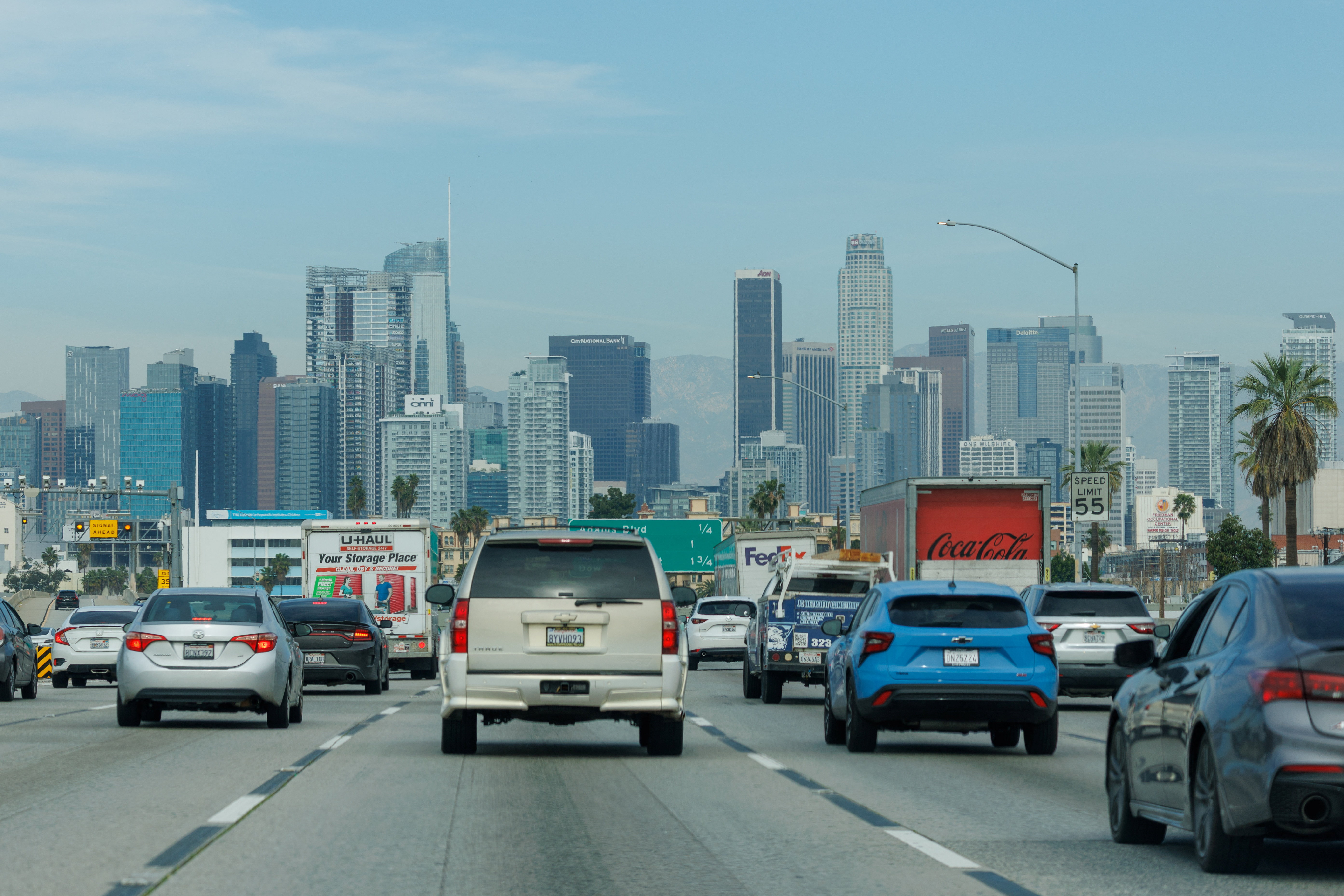
Vehicle leasing has fallen sharply in the United States over the past several years, squeezing out a financing option that once drove nearly one-third of all new-car sales. According to Channel 3000, leasing accounted for around 30% of the U.S. new-vehicle market before the pandemic — a share that has dropped significantly since then.
The slide began during the pandemic-era car shortage, when automakers cut back on the incentives that make leasing attractive. That shift changed how millions of Americans buy — or no longer lease — their cars.
Pandemic Car Shortage Triggered the Leasing Decline
When the COVID-19 pandemic hit, a global chip shortage choked vehicle production. Automakers built far fewer cars. With less inventory on lots, dealers had little reason to offer deals. Leasing depends heavily on those manufacturer incentives, so when incentives dried up, leasing did too, according to Channel 3000.
Before 2020, automakers used leasing to move large volumes of vehicles quickly. Once supply tightened, they no longer needed that tool. Buyers who might have leased instead took out longer loans or simply held onto their existing cars.
High Vehicle Prices and Rising Interest Rates Made Leasing Less Affordable
Even as supply recovered, leasing did not bounce back. Vehicle prices climbed to record highs during and after the shortage. Higher sticker prices push up monthly lease payments, making leases less attractive compared to buying. At the same time, the Federal Reserve raised interest rates sharply starting in 2022, which increased the cost of leasing agreements, Journal Now reported.
A lease payment is tied to two key numbers: the car's expected value at the end of the lease, called the residual value, and the money factor, which works like an interest rate. When both go in the wrong direction — lower residual values and higher money factors — monthly payments rise and shoppers walk away.
Used-Car Values Stayed High, Hurting Lease Economics
Leasing works best when a car loses value quickly. The lessee pays only for that depreciation. But used-car prices soared during the shortage and stayed elevated long after. When cars hold their value, residual values rise, but so does the overall cost structure for automakers offering leases, according to Roanoke Times.
This created an unusual bind. High used-car values were good for people selling cars, but they made it harder for automakers to offer low monthly lease payments. Without those low payments, many shoppers chose to finance a purchase instead.
Electric Vehicles Could Reshape Leasing's Future
One bright spot for leasing is the rise of electric vehicles. A federal tax credit worth up to $7,500 applies to leased EVs, even if the buyer would not otherwise qualify for the credit when purchasing. That loophole has pushed some shoppers back toward leasing specifically for electric cars, Greensboro News & Record noted.
Still, overall lease rates remain well below pre-pandemic levels. Automakers have slowly begun restoring incentives, and analysts expect leasing to recover gradually. But a full return to 30% of the market is not guaranteed, especially if interest rates stay high and vehicle prices remain elevated.
Sentiment
NeutralNEGATIVENEUTRALPOSITIVE
Publishers
22
Articles
22
Reach
22
A
AnonymousAuthor