AI Improves Medical Imaging
Carestream Healthcare International Enhances DRX-LC Detector to Improve Long-Length Medical Imaging
Anonymous
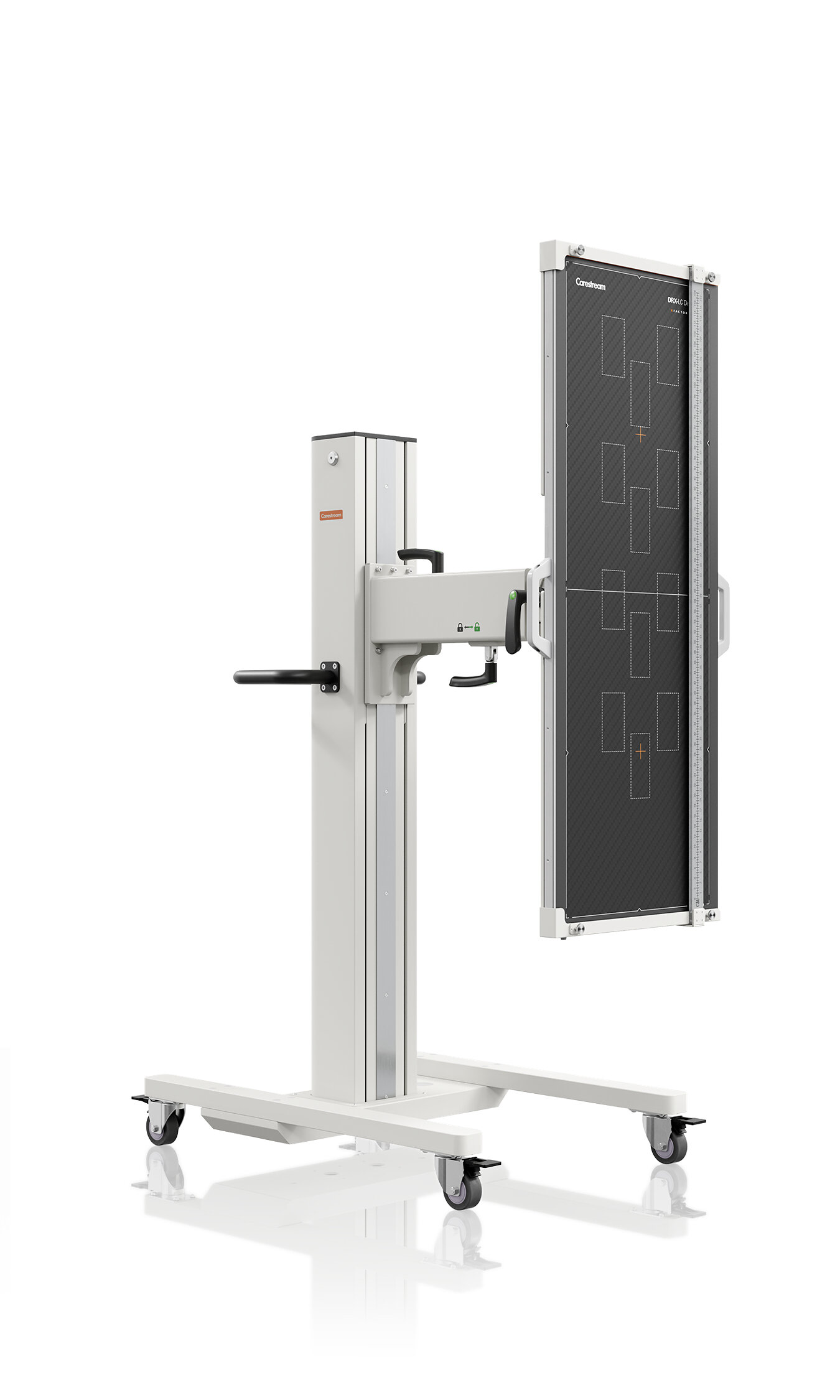
Carestream Healthcare International has upgraded its DRX-LC Detector with artificial intelligence and advanced sensors to improve long-length imaging for bone and spine exams Recorder. The enhanced detector captures full-length images in a single shot, replacing the traditional three-to-five separate X-rays that doctors had to stitch together, according to Toronto Sun. The update reduces patient hold time, cuts radiation exposure, and works across fixed rooms, mobile carts, and retrofit systems in hospitals.
Marco Riolfo, the detector portfolio manager at Carestream, said the enhancements focus on 'delivering more consistent, efficient, and high-quality imaging' while 'simplifying workflows' for radiography departments Ontario Farmer. The new technology uses embedded sensors and AI-driven noise filtering to optimize radiation doses and improve image quality without adding complexity to clinics.
Single-Shot Technology Replaces Multi-Image Stitching
Radiography departments have traditionally struggled with long-bone and spine imaging. Technicians had to take three to five separate X-ray images and manually stitch them together, a process that was error-prone and created motion artifacts Montreal Gazette. The original DRX-LC detector, launched in 2020, solved this by capturing full-length images in one shot. The September 2026 upgrade builds on this foundation by adding intelligent exposure control and AI-powered noise reduction.
The detector's 17-by-51-inch sensor can capture a complete spine or hip-to-heel leg image in under one second, according to The Observer Calgary Herald. This replaces the old method that took over 15 seconds and required multiple exposures. Eliminating retakes and stitching errors improves patient comfort, especially for children and elderly patients who struggle to stay still during imaging.
AI Sensors Automatically Optimize Radiation Dose
The upgraded detector includes embedded sensors that measure X-ray exposure in real time and automatically stop the beam once optimal exposure is reached Daily Herald Tribune. This built-in exposure control removes guesswork and prevents over- or underexposed images that would require retakes. The detector also uses an AI algorithm called Smart Noise Cancellation that filters image noise while preserving fine anatomical detail, allowing doctors to see critical features even at lower radiation doses.
This dual approach—automatic exposure measurement plus AI noise filtering—reduces the total radiation dose patients receive. For vulnerable groups like children undergoing scoliosis screening, lower doses mean safer imaging without sacrificing diagnostic quality The Whig.
One Detector Works Across Multiple Hospital Settings
A major practical advantage of the DRX-LC upgrade is its flexibility. The detector works in fixed X-ray rooms, on mobile imaging carts, and in retrofit installations across radiology suites and operating rooms Pembroke Observer. Hospitals can deploy a single detector across multiple locations, avoiding the cost of purchasing separate detectors for each X-ray system. This shared-asset approach cuts capital expenses and increases equipment utilization.
The detector's compatibility across different settings also simplifies staff training and inventory management. Technicians work with the same imaging system regardless of location, reducing workflow disruption Paris Star Online Owen Sound Sun Times.
Faster Exams and Fewer Retakes Boost Patient Care
The combination of single-shot imaging, automatic exposure control, and AI filtering directly benefits patients. Shorter exam times reduce patient discomfort and anxiety, particularly important for children and trauma patients Mitchell Advocate. Fewer retakes due to motion or improper exposure mean less time spent in the imaging room and lower cumulative radiation exposure over a patient's lifetime.
Carestream's enhancement also improves diagnostic confidence. Better image quality at lower radiation doses lets radiologists detect subtle spinal deformities, bone fractures, and degenerative changes more reliably Cochrane Times Post Leader-Post.
Sentiment
NeutralNEGATIVENEUTRALPOSITIVE
Publishers
31
Articles
31
Reach
31
A
AnonymousAuthor


