Iran Defies US Pressure
Iran Defies US Leadership and Signals No Tolerance for Domestic Dissent
Anonymous
Trending on XIsrael threatens further strikes on Iran even if US reaches a deal+1
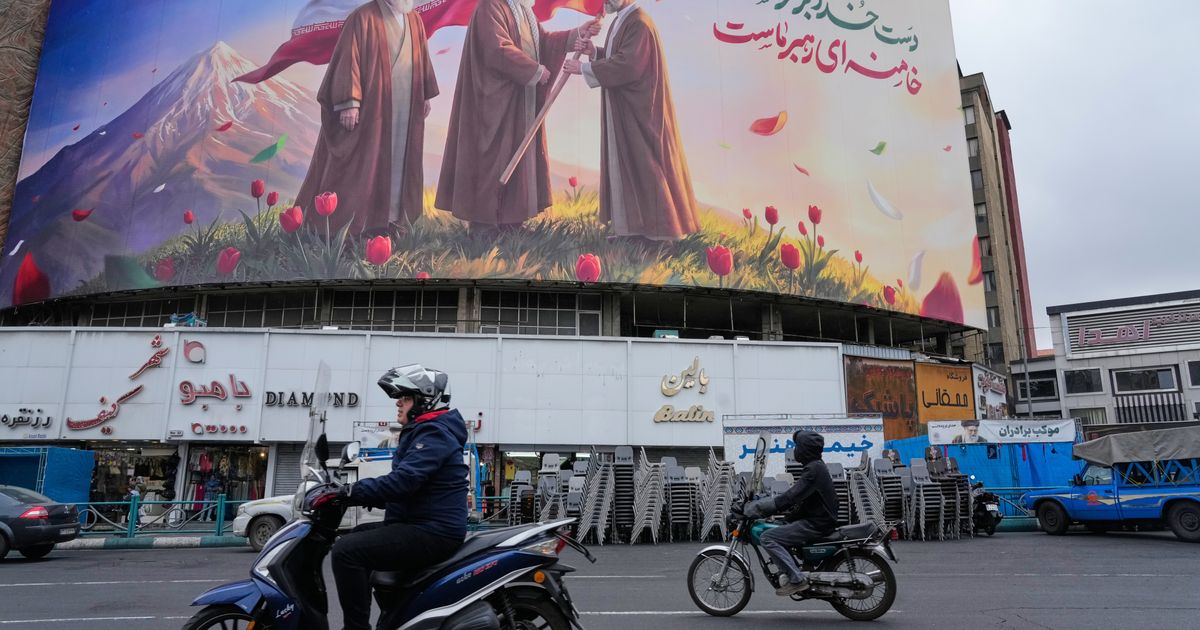
Six months into war with the U.S. and Israel, Iran's leadership is tightening its grip at home and showing no tolerance for dissent. WRAL reported that Iran's new leaders have solidified around hard-line military generals and clerics, preparing for a prolonged confrontation and determined to prevent domestic unrest. This defies President Trump's hopes of toppling the Islamic Republic through military pressure.
Iran's new supreme leader, Ayatollah Mojtaba Khamenei, has not been seen publicly since Israeli strikes killed his father six months ago. Mohsen Rezaei, the new secretary of Iran's Supreme National Security Council, delivered a stark warning: if the economic war continues, Iran will not export a single drop of oil from the Persian Gulf.
Hard-Liners Consolidate Power After Israeli Strikes
Iran's government has shifted decisively toward its most militant factions following the assassination of former Supreme Leader Ali Khamenei. Corsicana Daily Sun reported that hard-line military generals and clerics now dominate Iran's decision-making apparatus. The new power structure leaves little room for moderate voices or diplomatic compromise.
Young Ayatollah Mojtaba Khamenei, the former leader's son, now holds the top position but remains largely out of public view. This vacuum has allowed security chiefs and Revolutionary Guard commanders to tighten control over state institutions and suppress any signs of internal opposition.
Iran Crushes Dissent While Bracing for Longer War
Iran's rulers are cracking down hard on dissent at home while preparing for an extended military conflict. News-Gazette reported that Iran's leadership is determined to prevent domestic unrest even as it readies for a potentially long confrontation with the U.S. Security forces have increased arrests of activists, journalists, and political critics.
The regime fears that war fatigue and economic hardship could spark internal rebellion. To prevent this, Iran has expanded surveillance networks and deployed security personnel to suppress any organized opposition or public protests against the government's war strategy.
Oil Embargo Threat and Economic Showdown Ahead
Iran's new national security chief has escalated rhetoric over economic pressure. Mohsen Rezaei warned that if the U.S. continues its economic war, Iran will halt all oil exports from the Persian Gulf—a move that would disrupt global energy markets. Yakima Herald noted Iran is preparing for a protracted struggle with no near-term diplomatic exit.
This posture contradicts Trump's claims that regime change is already underway. Iran's leaders have expressed little faith in any future agreement with the U.S. and are instead bracing for renewed American military strikes once Washington replenishes its supply of interceptors.
Regime Change Dreams Crumble Against Iranian Defiance
The Trump administration had hoped military pressure would weaken Iran's government or bring moderate officials to power. Instead, Daily Advance reported that six months of war has solidified hard-line control and eliminated internal policy debate. Iran's new leadership shows zero interest in compromise or regime change from within.
Iran's rulers view the conflict as existential and are doubling down on military readiness and domestic repression. They are publicly signaling willingness to absorb continued punishment rather than negotiate, signaling a long stalemate ahead with no clear off-ramp.
Sentiment
NeutralNEGATIVENEUTRALPOSITIVE
Publishers
5
Articles
4
Reach
5
A
AnonymousAuthor


