Blindaje contra Rusia
El Parlamento Europeo exige un blindaje urgente ante la creciente injerencia de Rusia
Anonymous
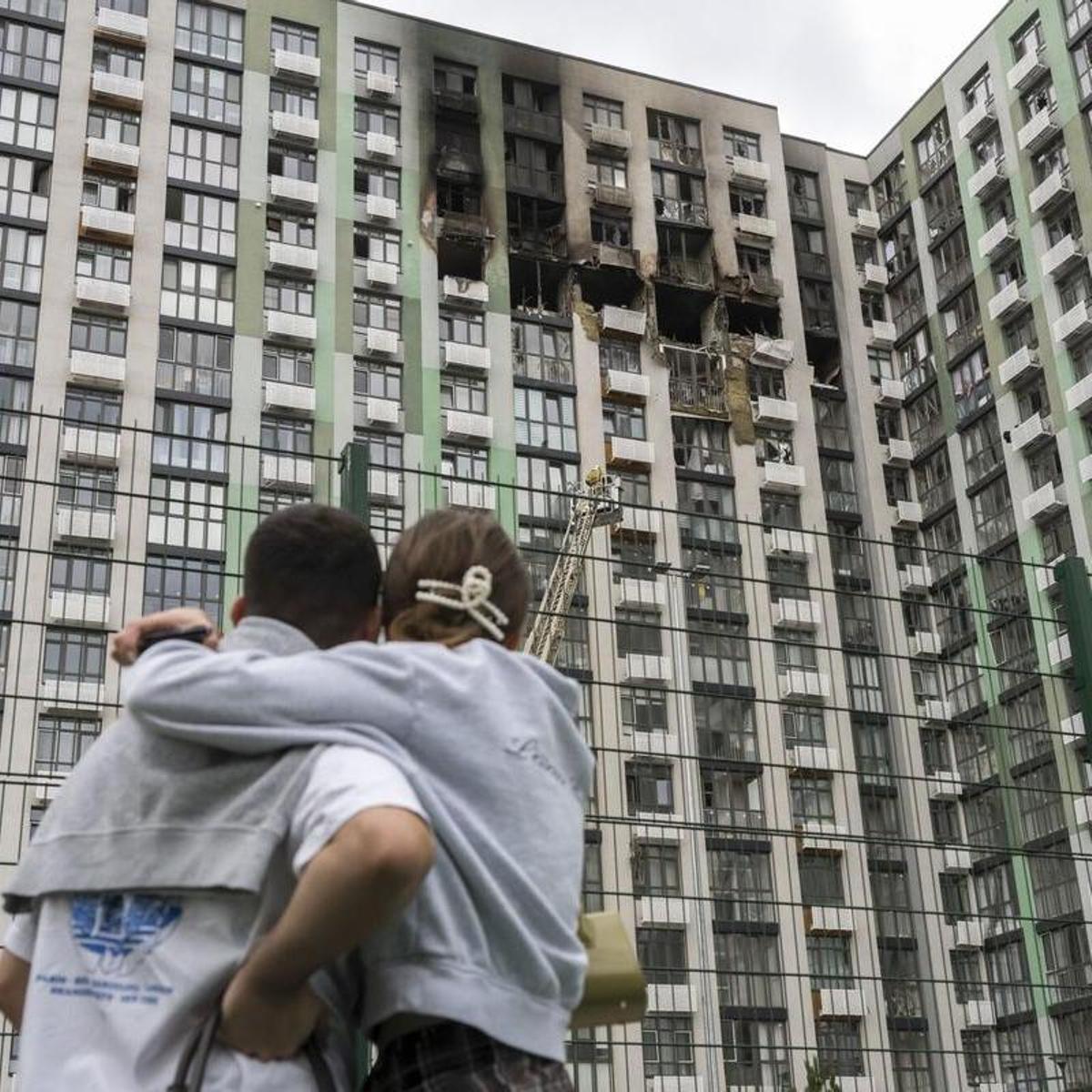
The European Parliament is calling for urgent protection against Russia's hybrid warfare campaign. La Opinión reports that the push comes after recent border incidents in Poland, a failed drone attack in Germany, and multiple election interference campaigns targeting EU member states.
Hybrid warfare includes coordinated attacks mixing military strikes, sabotage, disinformation, and election meddling. European lawmakers say Russia has escalated these tactics significantly. The Parliament now demands concrete defenses to shield democratic institutions and critical infrastructure from foreign manipulation.
Russia's Hybrid Attacks Intensify Across Europe
Poland's border saw direct provocations tied to Russian operations. Germany experienced a failed drone strike against military targets. El Día reports that election interference campaigns have targeted multiple EU nations. These incidents reveal a coordinated strategy to destabilize European democracies without outright military invasion.
Hybrid warfare blurs the line between peace and conflict. Russia deploys cyberattacks, sabotage of undersea cables, disinformation campaigns, and drone operations. Each attack tests European defenses individually. The combined effect aims to erode public trust and fracture political consensus across member states.
Parliament Demands Coordinated Defense Framework
European lawmakers are pushing for unified protocols to counter interference. Diario de Ibiza notes the Parliament wants faster intelligence sharing between nations and stronger cybersecurity standards for elections. A coordinated approach would block Russia from exploiting gaps between member states' individual defenses.
The push includes tighter vetting of foreign funding in political campaigns. Parliament also seeks to protect critical infrastructure—power grids, water systems, hospitals—from sabotage. Lawmakers recognize that fragmented defenses leave Europe vulnerable to attacks tailored to each country's weaknesses.
Election Interference Remains Central Threat
Russia has repeatedly meddled in European elections using fake accounts, deepfakes, and leaked documents. La Opinión de Zamora reports that upcoming elections in key EU nations face heightened risk. Kremlin-linked actors tailor disinformation to exploit local political divisions and amplify extremist voices.
Social media platforms enable rapid spread of false narratives at scale. Diario de Mallorca indicates Parliament wants mandatory transparency on political ads and stricter fact-checking measures. Without action, election outcomes could be shaped by foreign powers rather than European voters making independent choices.
Sentiment
NeutralNEGATIVENEUTRALPOSITIVE
Publishers
13
Articles
0
Reach
13
Topics
A
AnonymousAuthor


