Síntomas de nódulos tiroideos
Cuándo vigilar los nódulos tiroideos según los especialistas médicos
Anonymous
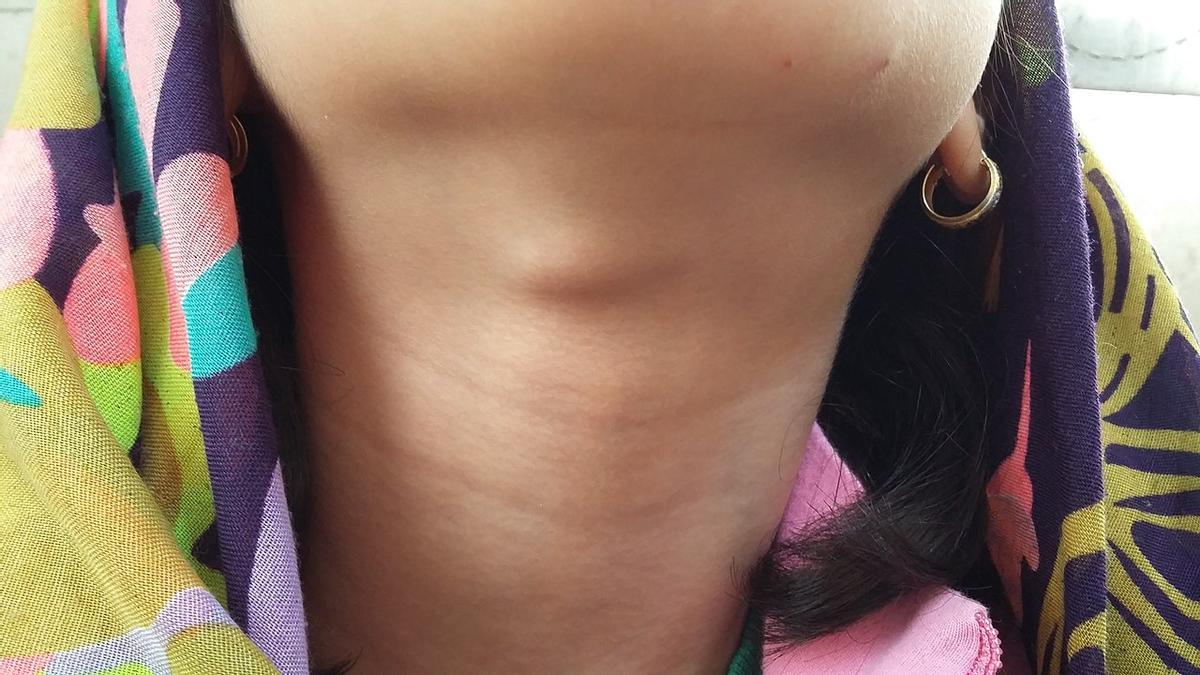
Thyroid nodules—small lumps in the thyroid gland—often cause no problems and go unnoticed. But certain symptoms warrant a doctor's visit. Hospital Ruber Internacional expert Dr. Juan Carlos Percovich warns that difficulty swallowing, neck pressure, and persistent voice changes are red flags to watch.
Most thyroid nodules are benign and require only monitoring. However, new or worsening symptoms suggest the nodule may be pressing on nearby structures or affecting thyroid function. Early evaluation can rule out serious conditions and guide proper treatment.
When to See a Doctor About Thyroid Symptoms
Three key symptoms demand medical attention. Difficulty swallowing—feeling like food gets stuck or resistance in the throat—suggests the nodule may be enlarging. Pressure or tightness in the neck, especially when lying down, indicates the nodule is taking up space. Hoarseness or voice changes that last more than a few weeks point to nerve involvement.
Don't ignore gradual changes. A voice that sounds different for weeks, or persistent neck discomfort during normal activities, deserves evaluation. Dr. Percovich emphasizes that early detection helps prevent complications and ensures faster treatment if needed.
What Doctors Look For During Thyroid Exams
A thyroid evaluation typically starts with a physical exam where the doctor feels the neck. Ultrasound imaging shows the nodule's size, shape, and whether it has concerning features. Blood tests check thyroid hormone levels and antibodies that signal autoimmune disease.
If the nodule looks suspicious on ultrasound, a fine needle biopsy may be needed. This quick procedure removes a tiny tissue sample for lab analysis. Results determine whether the nodule is benign, uncertain, or potentially cancerous—guiding next steps.
Risk Factors That Increase Nodule Concern
Certain people face higher risk. History of radiation to the head or neck, family history of thyroid cancer, and being female all raise concern. Age matters too—nodules in younger patients sometimes warrant closer watch.
Existing thyroid disease doesn't automatically mean nodules are dangerous, but it complicates evaluation. Dr. Percovich advises anyone with risk factors and new symptoms to get checked promptly rather than waiting and hoping symptoms fade.
Sentiment
NeutralNEGATIVENEUTRALPOSITIVE
Publishers
13
Articles
0
Reach
13
A
AnonymousAuthor


