Sustainable Yachting Futures
Monaco Energy Boat Challenge Drives Climate Innovation for Sustainable Yachting's Future
Anonymous
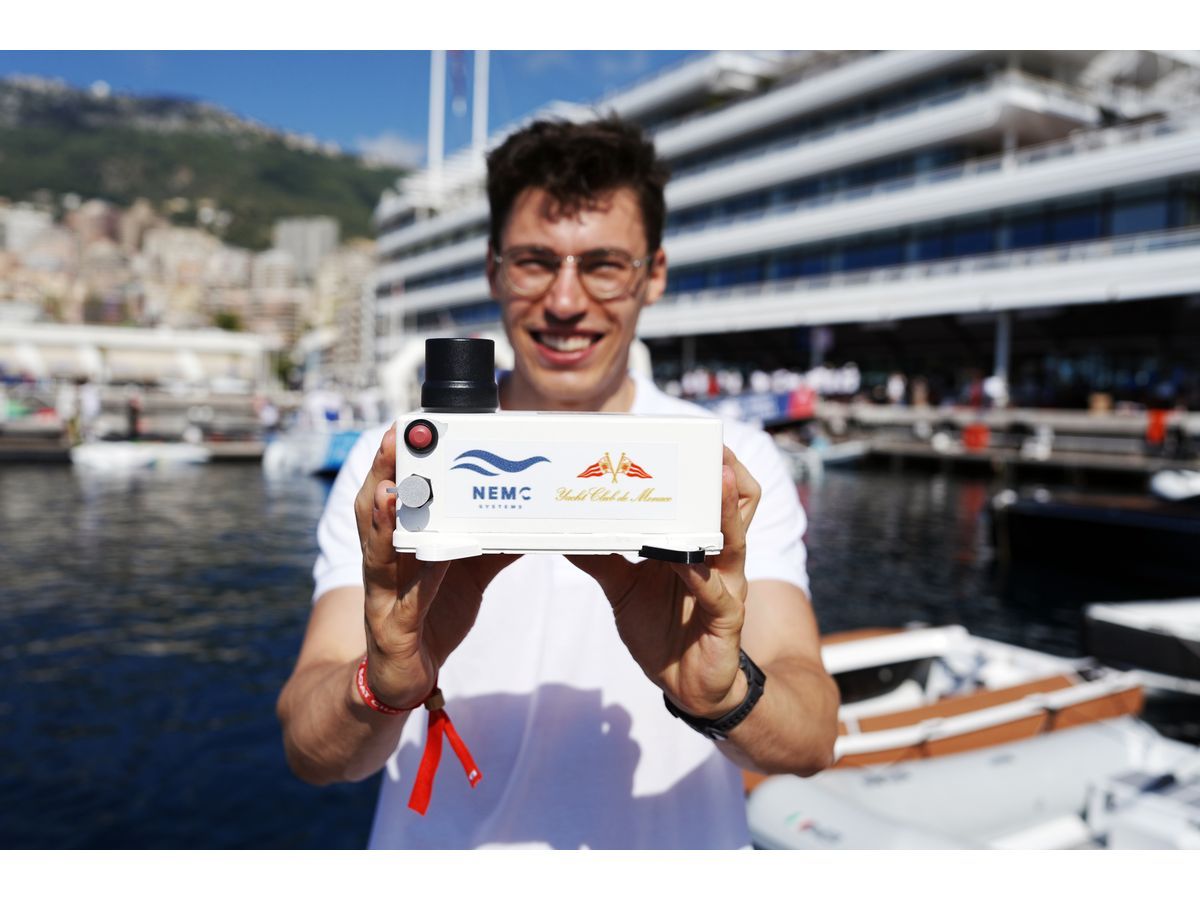
The Monaco Energy Boat Challenge, billed as the largest event in the maritime sector, has become a key meeting point for shaping the future of sustainable yachting, according to Mitchell Advocate. The event brings together industry leaders, engineers, and innovators to tackle how boats can adapt to a warming world.
The Challenge addresses urgent challenges facing the yachting industry: rising sea temperatures, more frequent extreme weather events, and tighter environmental rules. Discussions center on how the industry can cut emissions and clean up its act before regulators force it to.
Climate-Ready Yachting Takes Center Stage at Monaco
A flagship conference called 'Climate Adaptive Yachting: Innovation in Practice' sits at the heart of the event, according to Whitecourt Star. The session looks at how yacht design and operations must evolve to handle a less predictable ocean environment. Designers and engineers are being pushed to think beyond performance and towards resilience.
The conversations are not just theoretical. The maritime industry faces real deadlines as global regulators push for lower emissions across shipping and leisure boating. Yachting, long seen as a luxury sector slow to change, is now being asked to lead by example, Edmonton Sun reported.
Yacht Club de Monaco Tool Tracks Environmental Impact
The Yacht Club de Monaco has developed an environmental performance assessment tool designed to measure and compare the ecological footprint of different yachts, according to Toronto Sun. The tool gives yacht owners and builders a way to benchmark how clean — or how polluting — their vessels really are.
The tool is now working closely with NEMO Systems, a start-up that builds GPS and monitoring systems for boats. NEMO Systems is supplying data loggers to boats competing in the Challenge. The company plans to adapt that technology for the wider yachting sector, Brantford Expositor reported.
7th Alternative Fuels Conference Maps Paths to Zero Emissions
The event also hosts the 7th Alternative Fuels Conference, which examines different routes the maritime industry can take to cut carbon emissions to zero. Hydrogen, ammonia, and synthetic fuels are among the options on the table, according to Stratford Beacon Herald. No single solution has emerged as the clear winner.
The debate reflects a broader tension in the marine world: the technology to cut emissions exists, but the cost and infrastructure to scale it up remain major barriers. The conference gives stakeholders a structured space to weigh those trade-offs, Ontario Farmer noted.
Racing Boats Serve as Floating Laboratories for Clean Tech
Competition boats at the Monaco Energy Boat Challenge are not just racing — they are test beds for new clean technologies, according to Pembroke Observer. Data gathered from the race fleet feeds directly into research that could one day appear in commercial and leisure vessels.
NEMO Systems' data loggers, fitted to competing boats, collect real-world performance data under race conditions. That kind of stress-testing gives engineers information that lab trials cannot replicate. The broader goal is to speed up the shift from fossil fuels to cleaner alternatives across the entire yachting industry, Cold Lake Sun reported.
Sentiment
NeutralNEGATIVENEUTRALPOSITIVE
Publishers
17
Articles
16
Reach
17
A
AnonymousAuthor


