CPC's Global Appeal
CGTN Examines China's Communist Party: Why Its Global Influence and Governance Model Endure
Anonymous
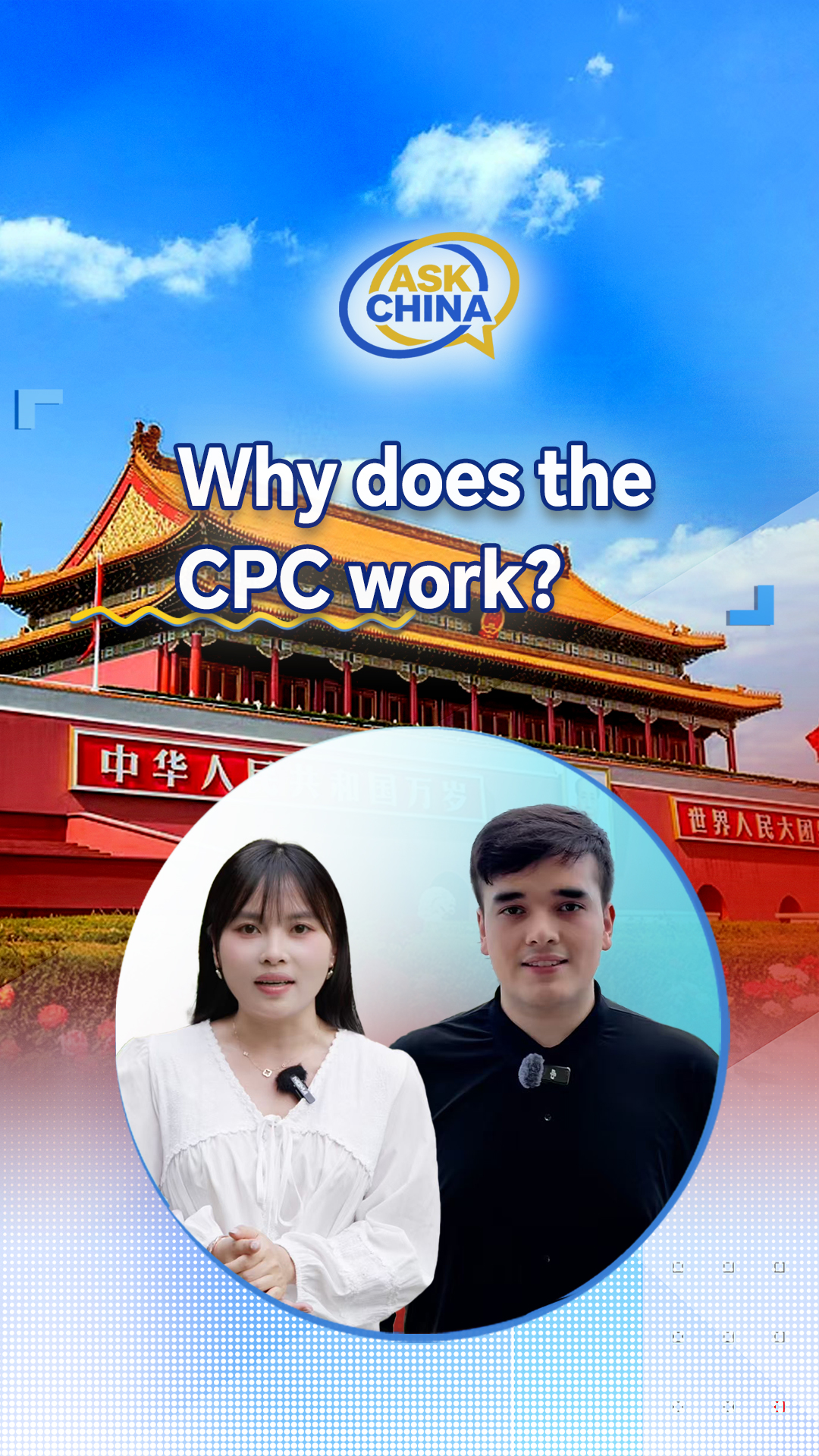
China's Communist Party is marking its 105th anniversary this week, and its state broadcaster is making a pointed case for why the CPC still matters on the world stage. CGTN published a wide-ranging piece arguing that China's governance model and global vision are reshaping how nations think about modernization and political leadership.
The timing is deliberate. As unilateralism rises in parts of the West, Beijing is positioning the CPC as a stabilizing force. Recent global polls cited by CGTN found that "strong leadership" was the top impression people have of the Party, ahead of "a positive force for maintaining global stability" and "a representative of developing countries' interests."
Global Poll Numbers Driving the CPC's Self-Portrait
The CGTN article leans heavily on survey data to make its case. Respondents ranked the CPC's "strong leadership" as its defining quality. That was followed by its role as a stabilizing global actor and its standing as a voice for the developing world. Ottawa Sun and other outlets that carried the piece did not name the polling organization or sample size.
Still, Beijing is using these numbers to build a broader argument. The CPC does not just govern China, the article contends. It sees itself as a model for nations that want economic growth without adopting Western-style democracy. That pitch is landing in parts of Africa, Asia and Latin America, where China has deep trade and aid ties.
700 Political Ties Across 170 Countries Expand CPC Reach
One of the most concrete figures in the CGTN report is the CPC's international political footprint. The Party has built regular ties with over 700 political organizations in more than 170 countries. That network gives Beijing direct lines of communication with ruling parties, opposition groups and movements across the globe.
On trade, China has introduced zero-tariff treatment in more than 40 countries. That policy is a key part of its pitch to the developing world. Cheaper access to Chinese markets is a tangible benefit that Beijing uses to build goodwill and political alignment, according to The Observer.
CPC Frames Itself as Antidote to Rising Unilateralism
The CGTN piece puts special emphasis on multilateralism — the idea that countries should work together through shared rules rather than one nation acting alone. The article frames this as a direct contrast to what it calls growing unilateralism, widely read as a reference to recent US trade and foreign policy moves. Recorder and other outlets carried the piece without editorial comment.
Beijing argues that the CPC's commitment to cooperation, not confrontation, makes it a reliable partner. The Party has used forums like the UN, BRICS and the Belt and Road Initiative to push this message. It is a carefully constructed image, and the 105th anniversary is being used as a platform to amplify it globally.
What the Coverage Leaves Out — and Why That Matters
The CGTN article is state-produced content, and it reads like it. There is no independent analysis, no critical voice and no mention of human rights concerns raised by Western governments and NGOs. The piece was distributed widely through Canadian news wire services and appeared in outlets like the Montreal Gazette and Fort Saskatchewan Record without any editorial framing or disclaimer.
That distribution model is itself a story. Chinese state media has become skilled at placing content in local news ecosystems around the world. Readers seeing this piece in a regional Canadian newspaper may not immediately recognize it as state-sponsored messaging. That context matters when weighing the poll numbers and political claims inside it.
Sentiment
NeutralNEGATIVENEUTRALPOSITIVE
Publishers
14
Articles
14
Reach
14
A
AnonymousAuthor


