New National Climate Report
Canada Releases New Climate Report to Support National Resilience and Emergency Preparedness Planning
Anonymous
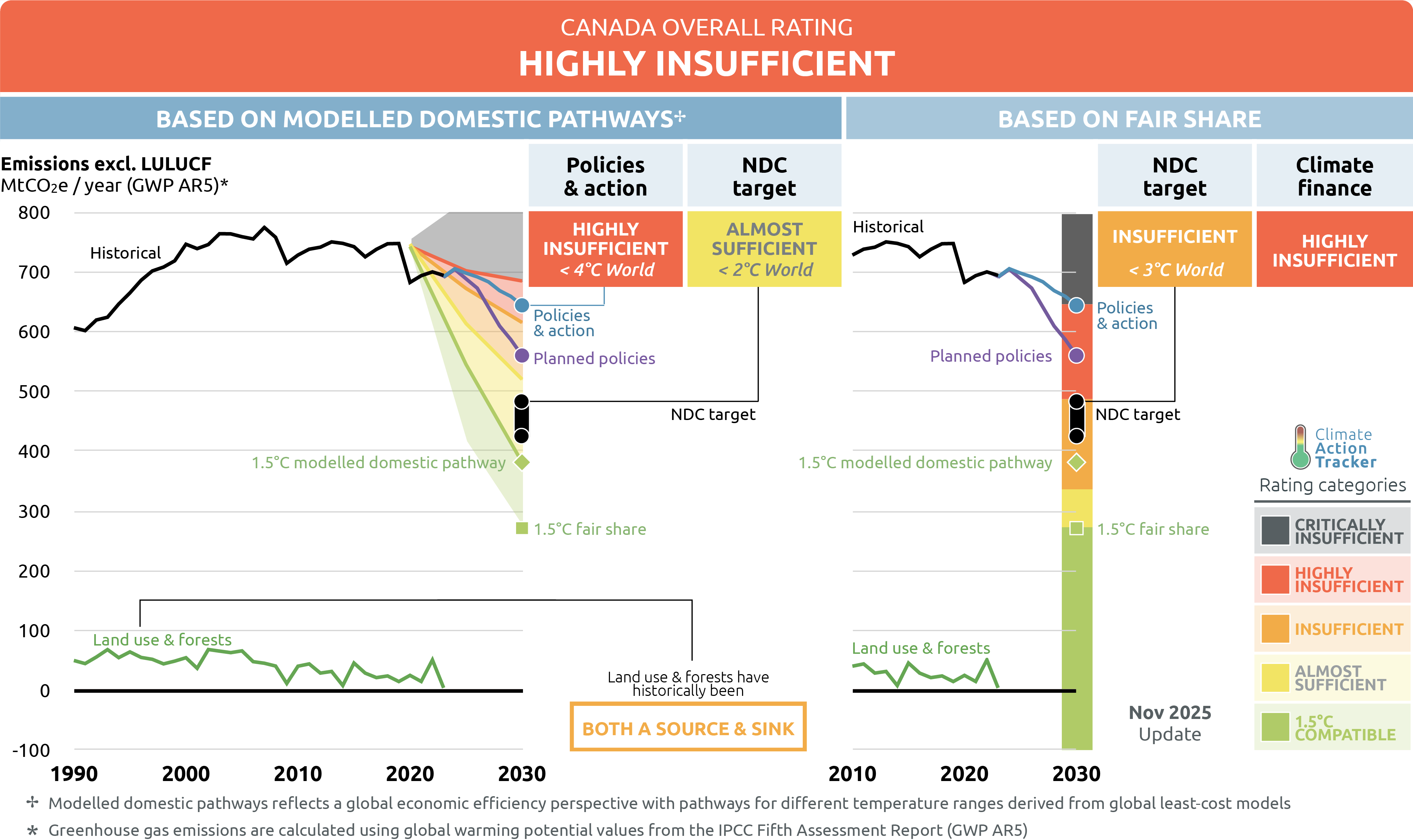
Canada's federal government released the Changing Climate Report 2026, a five-year scientific guide designed to help communities and businesses prepare for climate impacts Recorder. The report pushes agencies across all sectors to weave climate considerations into their planning and decisions now, rather than waiting for crisis to strike.
Ottawa is backing this push with $2.1 billion committed to implement the National Adaptation Strategy National Post. The government also set a new goal this April to deliver $13 billion in international climate finance over five years, part of a broader strategy to hit net-zero emissions by 2050 National Post.
New Report Guides Climate Readiness Across Canada
The Changing Climate Report 2026 serves as a roadmap for emergency preparedness and resilience-building CanTech Letter. Rather than a warning document alone, it's meant to be practical — helping governments, cities, and industries integrate climate risks into their existing plans and budgets.
The five-year report signals a shift in Canada's climate strategy: from fighting emissions alone to protecting people from climate impacts already underway Owens Sound Sun Times. Schools, hospitals, power grids, and farms all need updated plans for heat waves, flooding, and drought.
Federal Spending Backs Net-Zero and Adaptation Goals
The federal government committed $2.1 billion to the National Adaptation Strategy Fort Saskatchewan Record. This funding flows to projects that harden infrastructure, protect farmland, and help vulnerable communities weather extreme weather.
Canada also pledged $13 billion in international climate finance over five years, announced in the Spring Economic Update Leader Post. Domestically, the government is building major clean energy projects and investing in the low-carbon economy as part of its path to net-zero by 2050.
Pragmatic Approach Combines Emissions Cuts and Resilience
Ottawa's strategy is two-pronged: cut greenhouse gases AND prepare citizens for climate shocks that are already here Pembroke Observer. The government frames this as pragmatic — accepting that some climate change is locked in, regardless of future emissions cuts.
The report emphasizes that sectors cannot treat climate planning as separate from regular budgeting Stratford Beacon Herald. Insurance companies, water utilities, agriculture, and transportation all must factor in climate risk when they plan for the next five to ten years.
Sentiment
NeutralNEGATIVENEUTRALPOSITIVE
Publishers
13
Articles
13
Reach
13
A
AnonymousAuthor


