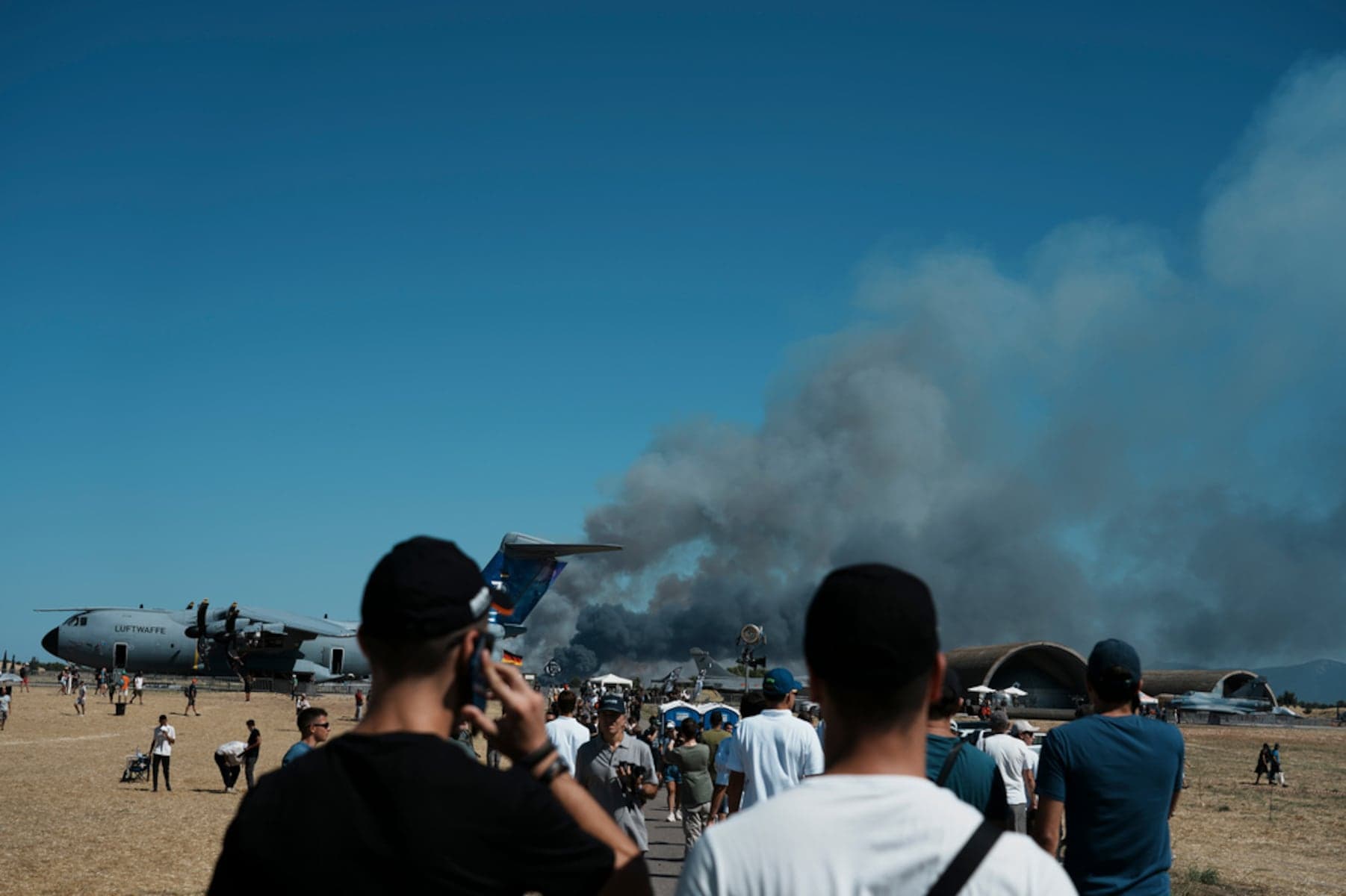
Greece Helicopter Collision
Two Helicopters Collide Mid-Air in Greece During Wildfire Operation
Anonymous
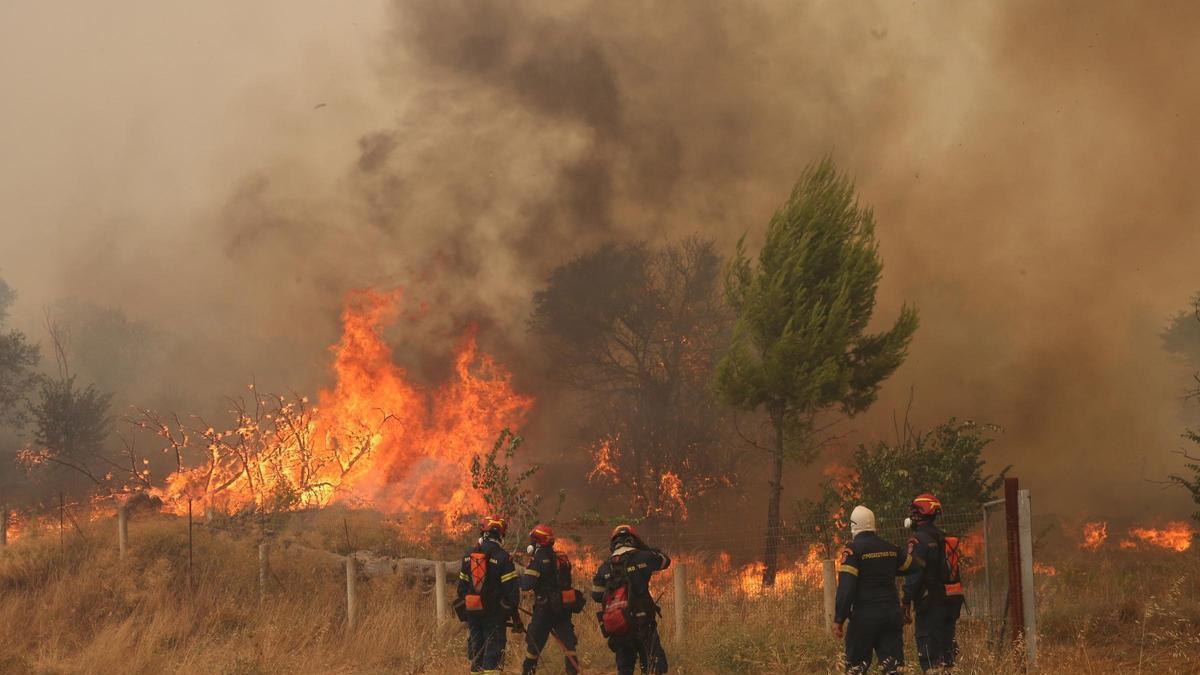
Two firefighting helicopters collided mid-air over Greece while battling an active wildfire, according to Diario de Mallorca and multiple Spanish outlets covering the incident. The crash occurred as both aircraft were carrying out water-dropping operations, making coordination in the air especially difficult and dangerous.
Aerial firefighting missions require helicopters to fly repeated low passes over the same area. That tight choreography raises the risk of collision, particularly when smoke reduces visibility. El Periódico confirmed the two aircraft impacted each other in full flight during active firefighting duties.
Two Helicopters Collide While Dropping Water on Flames
The collision happened as both helicopters were working the same fire zone. Firefighting aircraft must fly in tight loops to scoop water and drop it on target. When multiple helicopters share that airspace at once, the margin for error shrinks dramatically. Levante EMV reported that the two machines struck each other during one of those passes.
Greece faces some of the worst wildfire seasons in Europe every summer. Hot, dry winds and rugged terrain force crews to rely heavily on air support. That pressure puts more helicopters in the same patch of sky at the same time, raising the odds of exactly this kind of accident, according to El Correo Gallego.
Smoke and Heat Make Mid-Air Coordination Extremely Risky
Flying into a wildfire zone is not like normal aviation. Smoke cuts visibility fast. Rising columns of hot air create sudden turbulence. Pilots must stay low to drop water accurately, often below 100 metres. Those conditions make it very hard to spot another aircraft in time to avoid it, La Opinión de Zamora noted.
Ground crews use radio coordination to keep aircraft separated, but with multiple helicopters running back-to-back sorties, gaps in communication can open up quickly. Información reported the incident as a direct result of the intense operational tempo of the firefighting effort in Greece at the time of the crash.
Greece Has Battled Devastating Wildfires for Years
Greece has struggled with increasingly severe fire seasons tied to rising summer temperatures across the Mediterranean. In recent years, fires have burned hundreds of thousands of hectares and destroyed entire towns. The country deploys a large fleet of aircraft each season, including water-bombing planes and helicopters, according to Diario Córdoba.
The scale of these operations means accidents are a constant risk. Pilots and crews work long hours under extreme conditions. LNE reported that incidents involving firefighting aircraft, while rare, do occur in high-pressure campaigns like the one underway in Greece at the time of this collision.
Investigators Will Examine What Caused the Mid-Air Impact
After any mid-air collision, aviation authorities open a formal investigation. Investigators look at flight paths, radio logs, and crew communications to find out exactly how two aircraft ended up in the same space at the same time. El Día noted that the full circumstances of the crash are still being established.
The findings could lead to changes in how aerial firefighting operations are coordinated in Greece and across Europe. Stricter separation rules or new tracking technology may be considered. La Opinión de Málaga reported that authorities are treating the incident with high priority given the danger it highlights for front-line firefighting crews.
Sentiment
NeutralNEGATIVENEUTRALPOSITIVE
Publishers
17
Articles
0
Reach
17
A
AnonymousAuthor