Robos de oro
Cómo se resolvieron otros robos históricos de oro en museos españoles
Anonymous
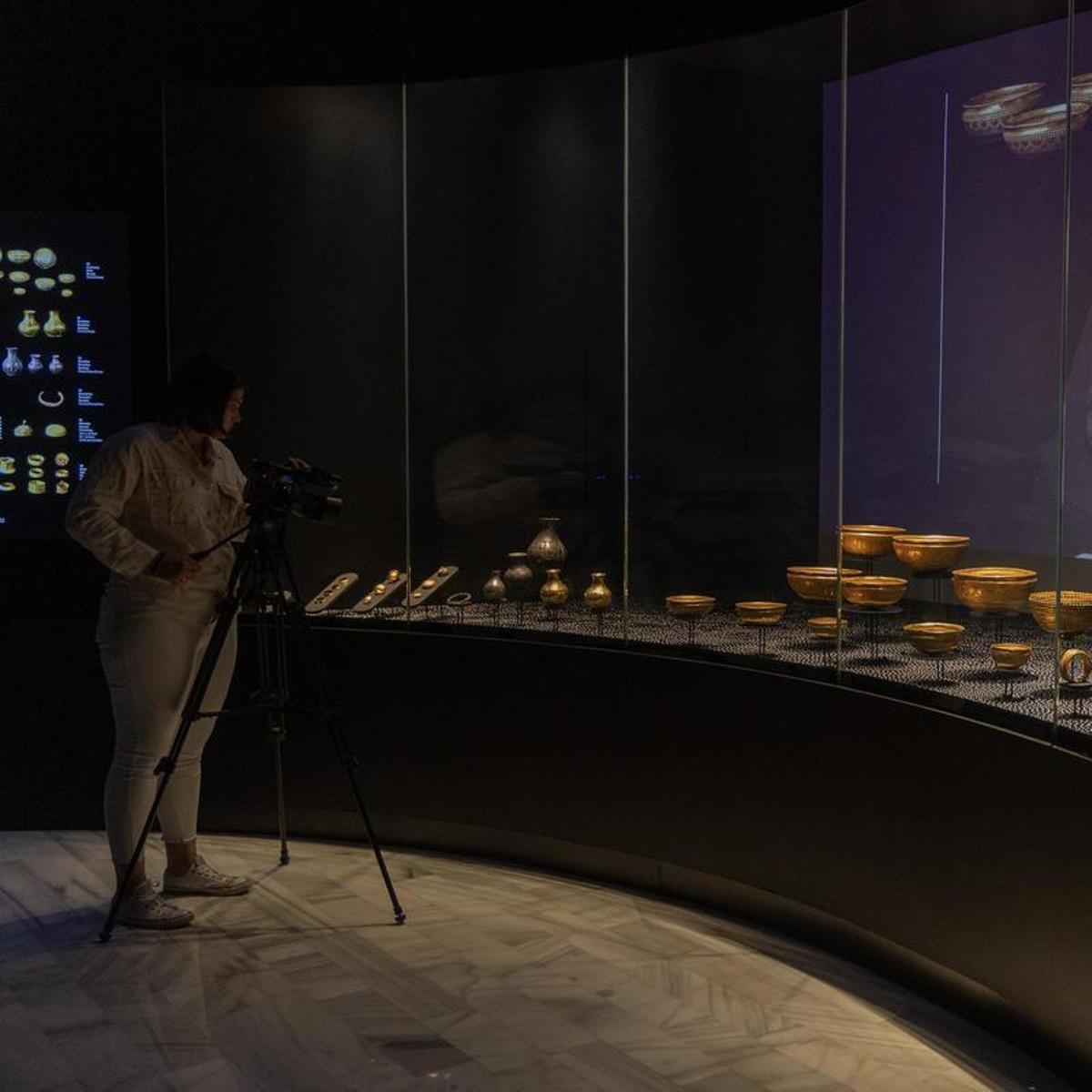
The theft of the Treasureof Villena—one of Spain's most valuable gold collections—has put a spotlight on museum heists and their legal consequences. La Opinión reports that thieves convicted in similar cases have faced prison sentences of up to ten years plus multimillion-dollar restitution payments. These heavy penalties apply when stolen artifacts cause irreparable damage to Spain's cultural heritage.
Steep Prison Terms for Heritage Theft
Museum gold heists are treated as serious crimes in Spain. According to regional news outlets, robbers now face up to ten years in prison if evidence shows they damaged irreplaceable artifacts. Beyond prison, courts demand massive compensation payments. These penalties reflect Spain's legal shift toward protecting cultural treasures as national property rather than simple merchandise.
Why Museums Target Gold and Jewelry
Gold collections like the Villena Treasure attract thieves because the metal is easy to sell and melt down. Museums across Spain have reported similar breaks-ins. El Diario notes that stolen jewelry and gold pieces vanish into black markets within hours. This speed makes recovery difficult and explains why prosecutors push for harsh deterrents.
Previous Cases Show Pattern of Prosecution
Spain has prosecuted numerous museum thieves over the past decade. La Opinión de Córdoba reports that earlier cases set a pattern: conviction plus financial damages that often exceed the stolen goods' value. Judges award extra payments as punishment. This strategy aims to make theft economically worthless even if criminals escape with artifacts.
Multimillion-Dollar Restitution Becomes Standard
Courts now impose restitution far beyond the gold's market price. El Periódico explains that judges calculate damages using cultural and historical value. A single ancient gold piece might trigger hundreds of thousands in fines. This approach punishes thieves for harming Spain's irreplaceable heritage—not just for stealing valuable metal.
Sentiment
NeutralNEGATIVENEUTRALPOSITIVE
Publishers
17
Articles
0
Reach
17
A
AnonymousAuthor


