Correct Sunscreen Application Guide
Dermatologists Say Most People Apply Too Little Sunscreen; Here's How to Apply It Correctly
Anonymous
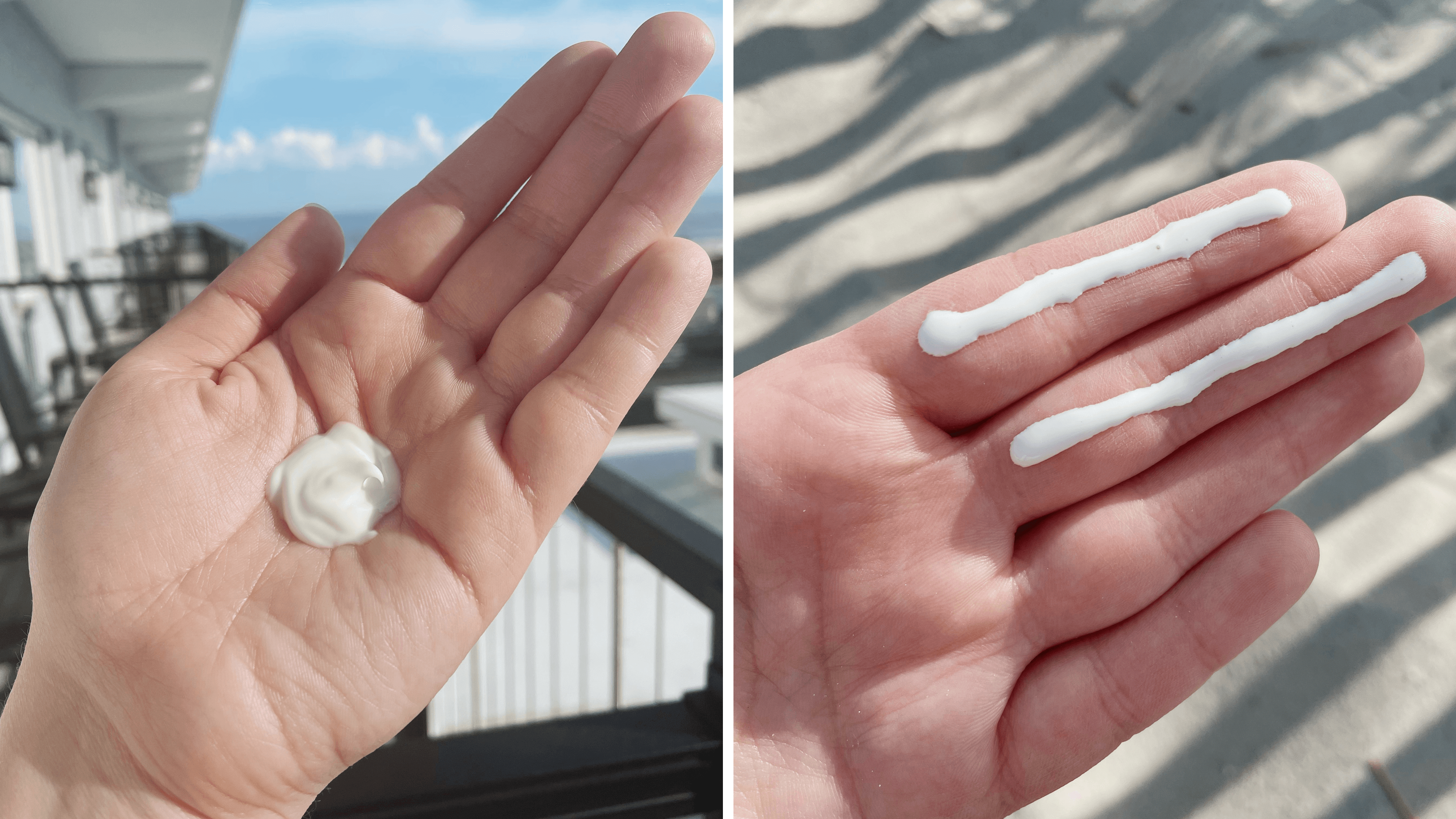
Most people are applying far too little sunscreen — and it's leaving their skin dangerously underprotected. According to Kansas City Star, the average person applies less than 40% of the amount used to test SPF ratings in labs, which means the protection they think they're getting is much weaker than the number on the bottle.
Dermatologists say the fix is simple but surprising: you likely need to apply two to five times more sunscreen than you currently do. Getting that part right — along with choosing the correct formula — makes a significant difference in protecting your skin from cancer and early aging.
Most People Use Less Than Half the Right Amount
SPF ratings are determined in controlled lab settings using a precise, generous amount of product. But The State reports that real-world users apply less than 40% of that tested amount. That gap dramatically reduces how much UV protection the sunscreen actually delivers.
Dermatologists recommend applying two to five times more than most people currently use. That might feel like a lot. But using too little is one of the most common — and most preventable — sunscreen mistakes people make.
How Much Sunscreen Does Full-Body Coverage Actually Take?
Research from University College London puts a real number on it. For full-body coverage, the average woman needs about 33 grams — roughly 1.1 fluid ounces — of sunscreen. That is far more than the thin layer most people quickly rub on before heading outside.
Think of it this way: a standard bottle of sunscreen should not last a whole summer if you are using it correctly. Most dermatologists say a family spending a full day outdoors should go through a significant portion of a bottle each time.
SPF Numbers Don't Tell the Whole Story on UV Protection
The SPF number on a bottle only measures protection against UVB rays — the ones that cause sunburn. It says nothing about UVA rays. UVA rays penetrate deeper into the skin and are a key driver of skin cancer and premature aging, according to Charlotte Observer.
Dermatologists recommend choosing a "broad-spectrum" formula. That label means the product blocks both UVA and UVB rays. Aim for SPF 30 or higher. SPF 30 blocks about 97% of UV rays. Higher SPFs offer slightly more protection, but no sunscreen blocks 100%.
Reapply Every Two Hours — More If You're Near Water or Sand
Applying sunscreen once in the morning is not enough. News & Observer reports that dermatologists recommend reapplying at least every two hours. Water, sweat, and toweling off all remove sunscreen faster than most people realize.
Surfaces like sand, snow, and water also reflect UV rays back at your skin, increasing your exposure. In those environments, reapply more often — not less. Keeping a small bottle in a bag or beach tote makes it far easier to stick to that habit.
Sentiment
NeutralNEGATIVENEUTRALPOSITIVE
Publishers
11
Articles
10
Reach
11
A
AnonymousAuthor