Error metodológico de PISA
Un nuevo estudio demuestra que el rendimiento escolar de hogares ricos no ha bajado
Anonymous
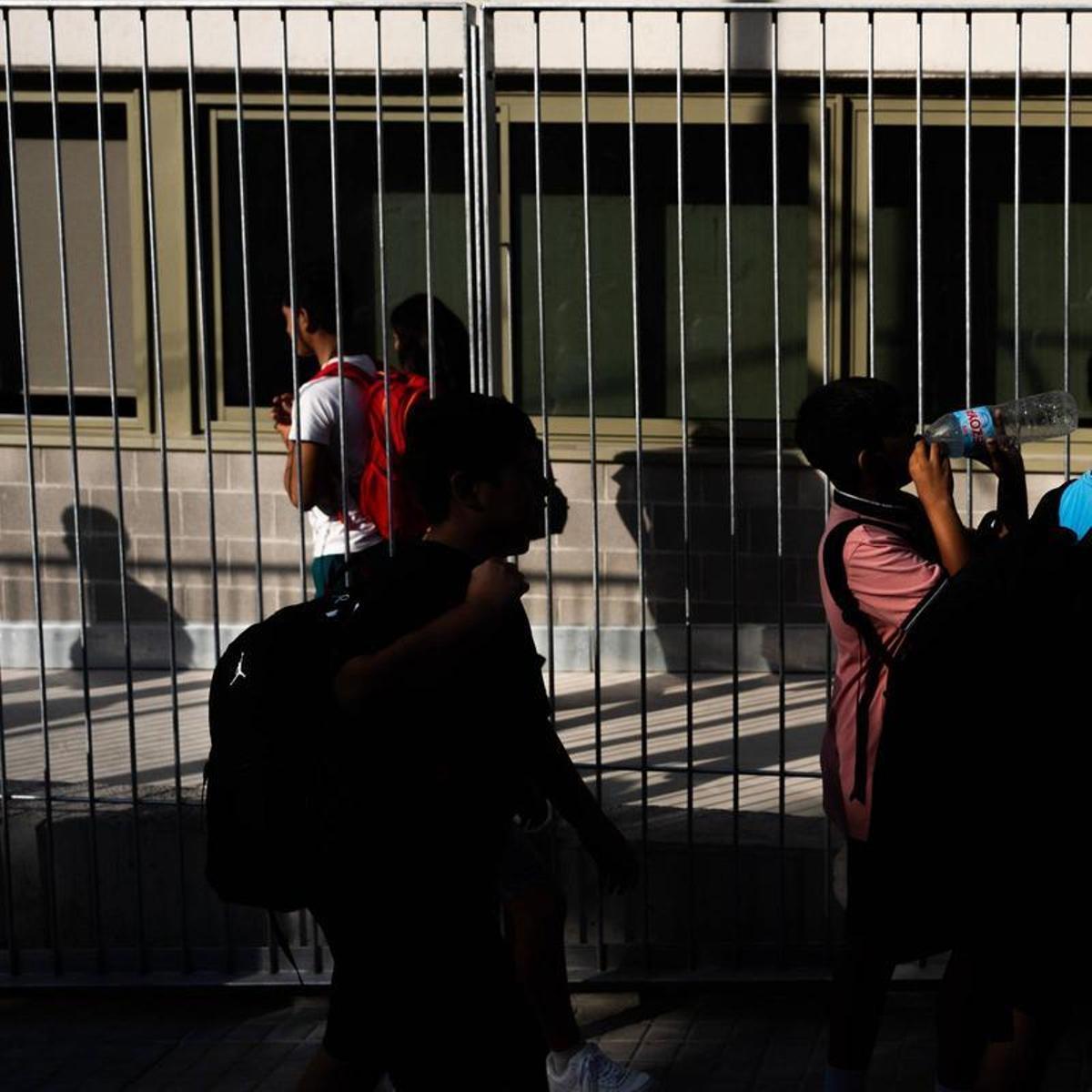
A new study challenges a major finding from PISA tests about wealthy students' declining grades. Innovamat Research Lab and EsadeEcoPol found that rich kids' scores did not actually drop. Instead, the OECD changed how it measures family wealth, making wealthier students appear to perform worse according to Innovamat Research Lab.
PISA Tests Showed a Troubling Trend That May Be False
Recent PISA exams, which rank student performance across countries, suggested that wealthier students were getting worse grades. This finding puzzled education experts worldwide. Many assumed something had changed in how rich families support their children's learning.
The OECD Quietly Changed How It Measures Family Income
The real story is simpler and more technical. The OECD, which runs PISA, adjusted its method for measuring family wealth between test cycles. This change made the same rich students look like they belonged to a different income group. EsadeEcoPol researchers discovered this shift in measurement rules.
Wealthy Students' Actual Grades Remained Stable
When researchers fixed the measurement method and kept it consistent across years, wealthy students' test scores stayed roughly the same. No real decline occurred. The apparent drop was a statistical illusion created by changing how family income gets classified. Innovamat Research Lab verified these findings through detailed analysis.
Why This Matters for Understanding Education Gaps
This debunking is crucial because education policy depends on solid data. If policymakers thought wealthy kids were failing, they might waste resources on the wrong problems. The real story shows the PISA system needs clearer measurement standards. Both research teams warn that inconsistent metrics can mislead governments and schools worldwide.
Sentiment
NeutralNEGATIVENEUTRALPOSITIVE
Publishers
12
Articles
0
Reach
12
A
AnonymousAuthor


