First Alert Weather Briefing
First Alert Weather Delivers Early Morning Report for July 9th
Anonymous
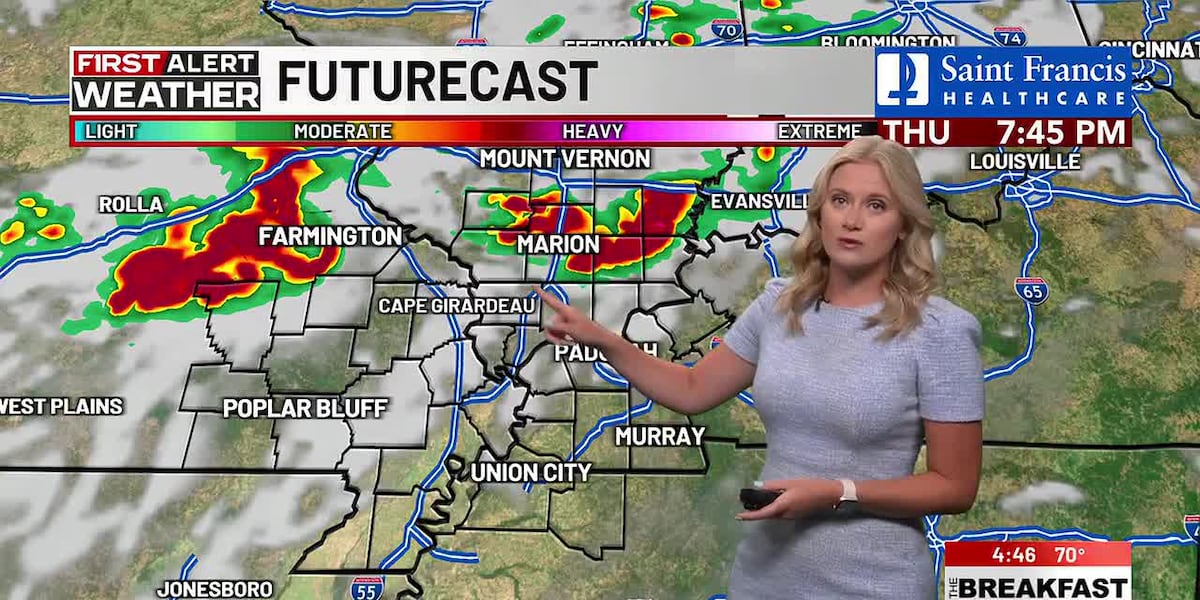
Early morning weather alerts are in effect across several regions as of 4:45 a.m. on July 9, with local meteorologists urging residents to prepare for potentially dangerous conditions throughout the day. Hawaii News Now, WALB, WDBJ7, and AZ Family are all carrying First Alert Weather warnings at this hour.
First Alert designations are reserved for weather events that pose a higher-than-normal risk to life or property. When multiple regional stations issue these alerts at the same early morning hour, it signals a broad and serious weather pattern is underway.
Multiple Regions Under First Alert Watch This Morning
Stations from Hawaii to the Southeast to the Southwest are all sounding the alarm. Hawaii News Now is tracking conditions in the Pacific. WALB covers South Georgia and North Florida. WDBJ7 serves the Virginia and Blue Ridge Mountain region. Each area faces its own set of weather hazards this morning.
AZ Family is also issuing a First Alert for the Phoenix metro area and surrounding Arizona communities. The Southwest is in the early stages of its monsoon season, which typically runs from mid-June through September. Monsoon storms can bring flash floods, dust storms, and dangerous lightning in a matter of minutes.
What a First Alert Warning Means for Your Day
A First Alert is not issued for routine rain or wind. It means forecasters believe the coming weather is significant enough to change your plans. Residents in affected areas should check local forecasts before heading out. Those in flash flood zones should know their evacuation routes ahead of time.
Meteorologists recommend keeping a weather app active and sound alerts turned on throughout the day. If a warning is upgraded to a Watch or Warning, that means the threat is imminent. Move indoors immediately and stay away from windows during severe storms.
Hawaii and the Southeast Face Distinct Threats
In Hawaii, tropical moisture and elevated surf are common concerns in early July. Hawaii News Now monitors conditions across all island chains, where flash flooding in valleys and high surf on exposed shores can develop quickly. Residents on windward coasts face the greatest risk.
Across South Georgia and North Florida, WALB is watching for heat and storm activity. July is peak thunderstorm season in the Deep South. Afternoon storms can produce wind gusts above 60 mph and hail the size of quarters. Morning alerts help residents plan around the worst of the afternoon heat and storm window.
Virginia and Arizona Brace for Summer Storm Dangers
In western Virginia, WDBJ7 is tracking storm potential in the Blue Ridge and Appalachian foothills. Summer storms in this terrain can cause rapid stream rises and mudslides. Hikers and campers in the backcountry are especially vulnerable and should monitor conditions closely before heading out.
Arizona's monsoon brings some of the most dramatic weather in the country. Dust storms, called haboobs, can reduce visibility to near zero in seconds. Flash floods can fill dry washes with rushing water in under 10 minutes. AZ Family advises residents to never drive through flooded roadways — even if the water looks shallow.
Sentiment
NeutralNEGATIVENEUTRALPOSITIVE
Publishers
4
Articles
4
Reach
4
A
AnonymousAuthor


