Owens' Olympic Legacy
Today in History: Jesse Owens Claims First Gold at Historic 1936 Berlin Olympics
Anonymous
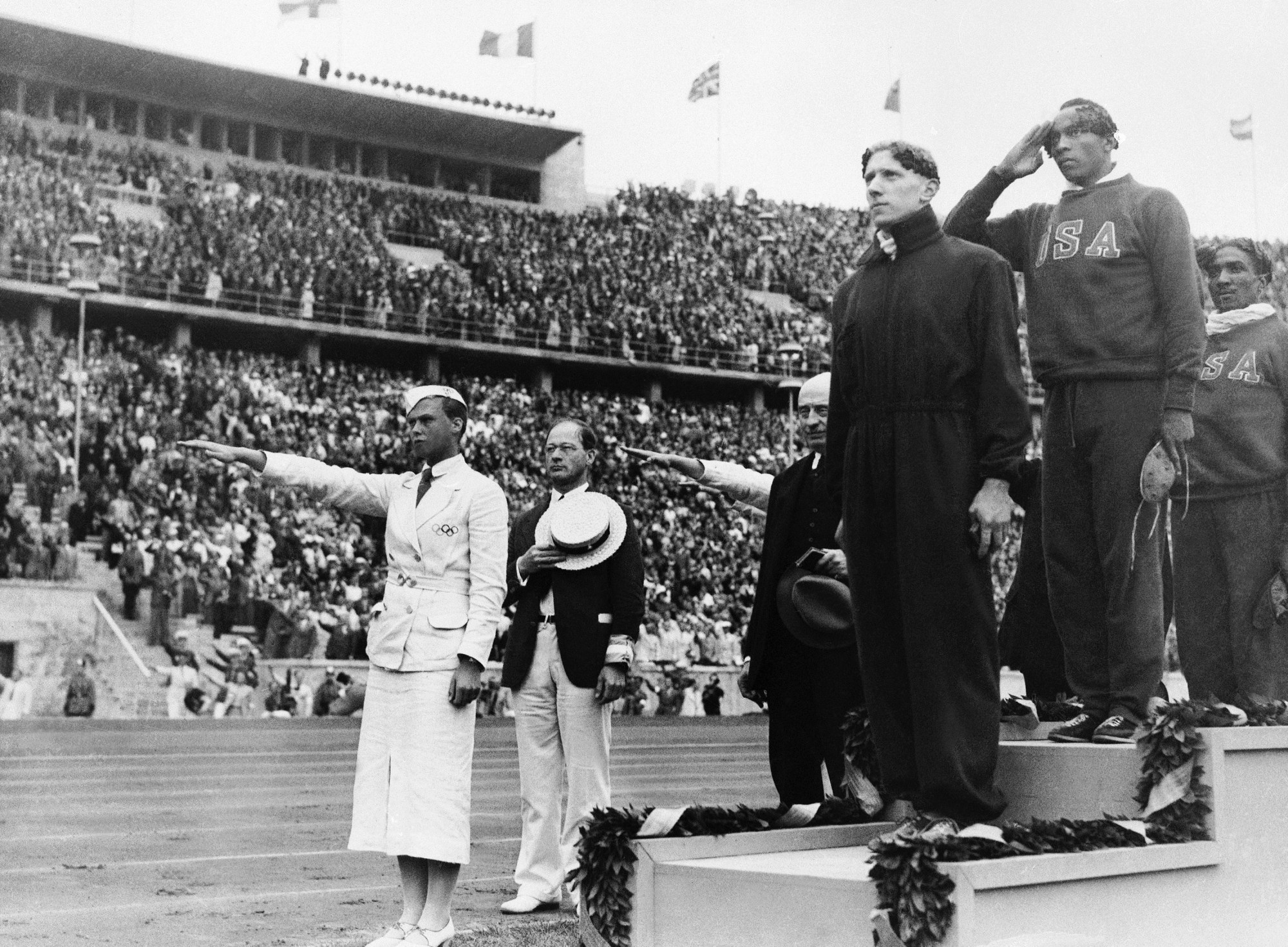
On August 3, 1936, Jesse Owens sprinted into history. The American track star won the first of his four gold medals at the Berlin Olympics, taking the 100-meter sprint in front of Adolf Hitler and the world, according to The Denver Post.
That single victory launched one of the most iconic Olympic stories ever told. Owens, a Black man from the United States, dismantled Nazi Germany's claims of racial superiority on their own soil — and did it three more times before the Games were over.
How Owens Defied Hitler's Berlin Stage
The 1936 Berlin Olympics were designed as a showcase for Nazi ideology. Hitler wanted the Games to prove Aryan superiority to the world. Owens had other plans. He won gold in the 100 meters, the 200 meters, the long jump, and the 4x100 relay — four golds in one Games, a record that stood for nearly 50 years, according to Twin Cities.
His performance drew massive crowds and worldwide attention. The image of a Black American athlete dominating the Games in Nazi Germany became one of the most powerful moments in sports history. Hitler reportedly refused to publicly congratulate Owens, though accounts of their interaction vary.
Columbus Sets Sail, Harvard Rows First
August 3 carries other landmark moments too. On this day in 1492, Christopher Columbus departed from Palos, Spain, with three ships. His voyage eventually led him to the Americas, changing the course of world history, according to Morning Journal.
Exactly 360 years later, in 1852, Harvard beat Yale in a boat race on Lake Winnipesaukee in New Hampshire. It was a small event, but it mattered — it became the first intercollegiate sporting competition in American history. College sports in the U.S. trace their roots to that single race, according to The Trentonian.
Reagan Fires 11,000 Air Traffic Controllers in 1981
On August 3, 1981, U.S. air traffic controllers walked off the job. Members of the PATCO union went on strike, demanding better pay and improved working conditions. President Ronald Reagan gave them a stark choice: return to work or lose your job, according to EP Trail.
When 11,345 controllers refused to go back, Reagan fired every single one of them. It was one of the most dramatic labor standoffs in American history. The move sent a clear message about how far the government would go to break a federal workers' strike.
Statue of Liberty Reopens, Cuomo Resigns on Same Date
On August 3, 2004, the Statue of Liberty welcomed visitors again for the first time since the September 11, 2001 attacks. The crown had been closed for nearly three years as officials worked on safety upgrades, according to News-Herald.
Seventeen years later, on August 3, 2021, New York Attorney General Letitia James released findings that Governor Andrew Cuomo had sexually harassed multiple current and former state employees. The investigation covered 11 women. Cuomo resigned shortly after the report came out, according to Pottstown Mercury.
Sentiment
NeutralNEGATIVENEUTRALPOSITIVE
Publishers
9
Articles
8
Reach
9
Topics
A
AnonymousAuthor


