Listas de espera sanitarias
Sanidad prepara una norma para medir los tiempos de espera en centros de salud
Anonymous
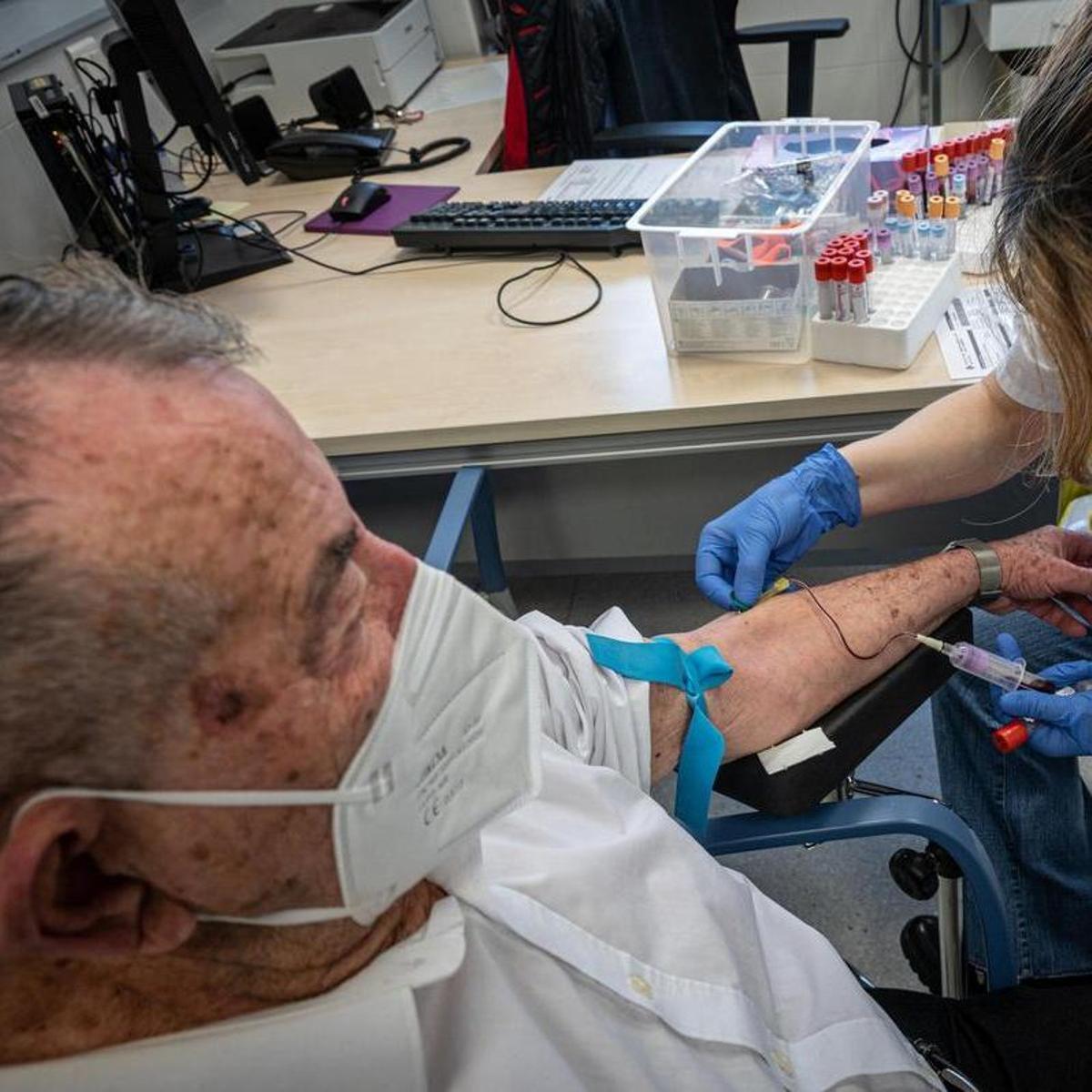
Spain's Health Ministry is finalizing a new rule to measure how long patients wait for doctor appointments at their health centers. Información reports that the draft Royal Decree will start counting patients on waiting lists from the moment a doctor orders a test or treatment, not when they request an appointment.
The new rule will split waiting time data by how urgent each case is and how serious the patient's condition is. This lets the government track real wait times across the country and identify where patients face the longest delays.
When the Waiting Clock Actually Starts
Today, waiting lists often start when a patient calls for an appointment. The new rule changes this timing. El Correo Gallego reports that the clock will start ticking when a doctor writes down that a patient needs a test, scan, or specialist visit. This captures the true delay from medical decision to actual care.
Data Split by Urgency and Severity
The new system breaks down wait times by priority level and health severity. La Opinión de Murcia explains that this sorting matters because urgent cases should move faster than routine ones. By tracking these separately, Spain can see if critical patients get priority or if all patients wait equally long.
Why This Matters for Patients Across Spain
Long wait times frustrate Spanish patients seeking basic health care. Diario de Mallorca notes that this new rule creates a standard way to measure the problem across all regions. Right now, each region reports waiting times differently, making it hard to compare or find solutions.
A clear national measure could push health leaders to fix slow-moving centers. Diario de Córdoba points out that transparent data often drives change. When the public sees exact numbers—not vague reports—politicians and doctors face pressure to improve service.
Sentiment
NeutralNEGATIVENEUTRALPOSITIVE
Publishers
12
Articles
0
Reach
12
A
AnonymousAuthor


