Digital Faith
Cru Staffers Explore Virtual Reality's Potential to Accelerate Christianity's Spread
Anonymous
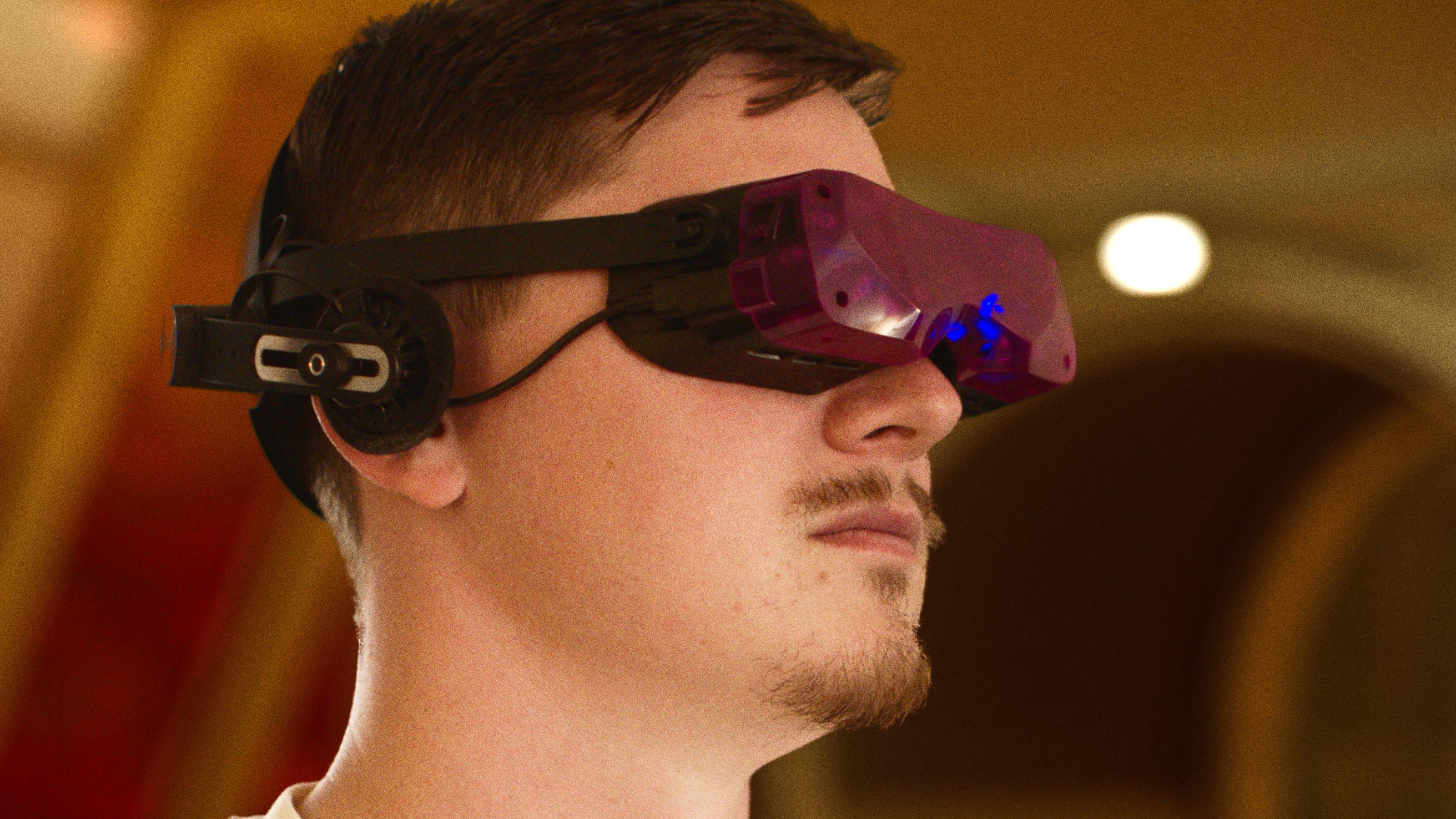
Christian missionaries are stepping into virtual reality headsets to share their faith — one avatar at a time. Staffers from Cru, a major nondenominational Christian organization, are now entering immersive online worlds to find and talk with people who might never set foot in a church, according to La Crosse Tribune.
The approach blends old-school street evangelism with new technology. Instead of knocking on doors, missionaries approach strangers as digital avatars in virtual spaces — sparking conversations about faith in an entirely new kind of public square, Greensboro News & Record reported.
Cru Staffers Find Strangers Standing Alone in Virtual Halls
Frank Kuligowski and a fellow Cru staffer were exploring a virtual reality platform when they spotted a female avatar standing alone in a digital hallway. They decided to walk over and chat. That small moment captured the core idea behind VR evangelism — meeting people where they already are, even if "where" means inside a headset, according to Tulsa World.
Kuligowski said these virtual spaces offer something rare: people who are open to talking. Unlike busy streets or crowded public places, VR worlds often feature users who are curious and willing to engage. That openness, he believes, makes them ideal places to share the Christian gospel, Crossroads Today reported.
Virtual Reality Removes the Barriers That Churches Cannot
Traditional evangelism is limited by geography. A church in Kansas cannot easily reach someone in Japan. VR changes that. Missionaries can enter a shared online world and speak with users from any country, any background, and any time zone — all without booking a flight, according to Press of Atlantic City.
VR ministry also reaches people who feel uncomfortable in physical religious spaces. Some users are isolated, shy, or simply skeptical of organized religion. In a virtual world, there is less social pressure. That lower barrier, supporters argue, makes people more likely to listen and engage, Omaha World-Herald reported.
Former Cru Leader Geoffrey Powell Helps Build the VR Mission Field
Former Cru employee Geoffrey Powell has also been active in pushing digital evangelism forward. Powell and others like Kuligowski are working to build a structured approach to VR outreach — treating virtual platforms the same way earlier missionaries treated college campuses or city streets, Tucson.com reported.
The goal is not just one-on-one conversations. Cru and similar groups want to build virtual fellowships — ongoing communities where new believers can connect, grow, and eventually bring others in. Think of it as a church that exists only inside a headset, according to The Eagle.
Big Questions Remain About Faith in a Digital World
Not everyone is convinced VR is the right place for spiritual growth. Critics question whether a digital avatar can truly replace human connection — a core part of most Christian traditions. Can someone genuinely find faith through a headset? That debate is still very much open, News-Advance noted.
Still, the numbers behind VR are hard to ignore. Millions of people now spend hours each week in virtual worlds. If even a small fraction of those users are open to spiritual conversations, VR missionaries argue the potential reach is enormous — far beyond what any single church building could offer, Helena Independent Record reported.
Sentiment
NeutralNEGATIVENEUTRALPOSITIVE
Publishers
17
Articles
16
Reach
17
Topics
A
AnonymousAuthor