Menos corrupción, más confianza
Investigación académica revela cómo las políticas anticorrupción redujeron la desconfianza ciudadana en Valencia
Anonymous
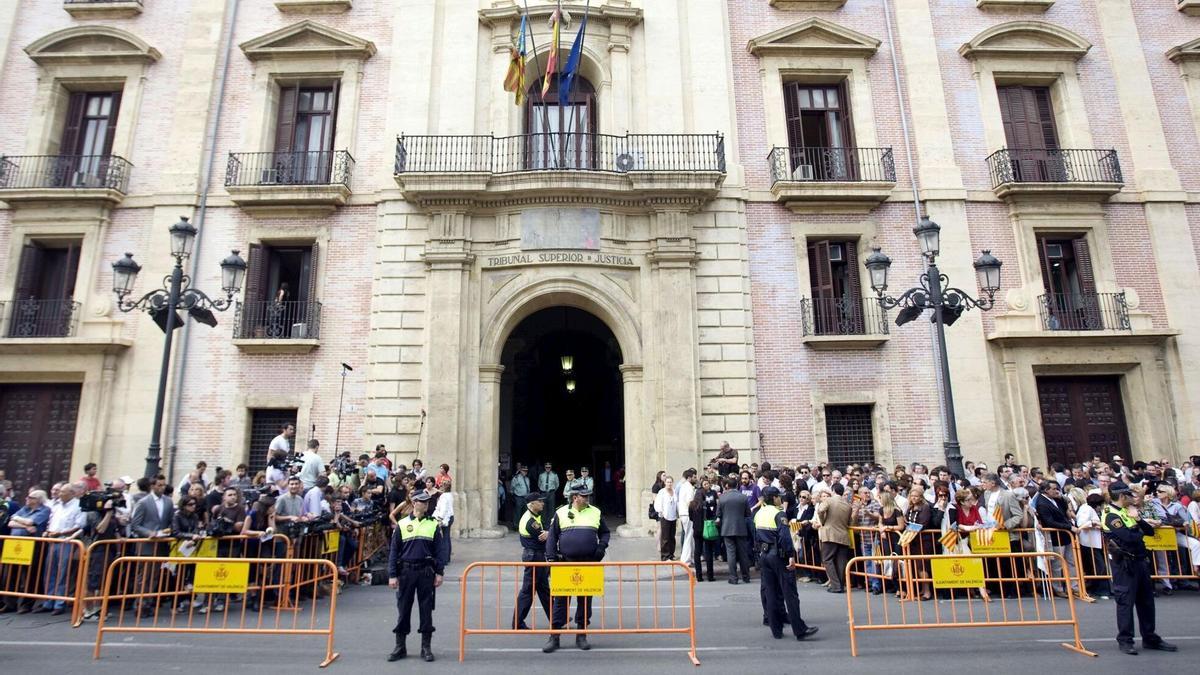
Citizen distrust of government can be reversed with the right reforms. An academic study shows that starting in 2015, anti-corruption measures in Spain's Valencia region — including a new anti-fraud agency, whistleblower protections, and ethics codes — actually reduced how corrupt people thought their government was. El Día reports the research reveals a turning point: when politicians took action, people's faith went up.
How Valencia Rebuilt Public Trust After 2015
The Valencia region faced deep skepticism about government honesty. El Periódico reports that three specific tools changed the conversation. The creation of an Anti-Fraud Agency gave officials a dedicated watchdog. Laws protecting whistleblowers made it safer to report wrongdoing. And new ethics codes set clear rules for how politicians should act.
These weren't just symbolic moves. La Opinión de Murcia notes the academic research found these reforms actually shifted public perception measurably. Citizens saw the government taking corruption seriously, which rebuilt confidence. The region didn't just pass laws — it sent a signal that wrongdoing would be exposed and punished.
Why Whistleblower Protections Matter Most
Whistleblower laws are powerful because they flip the incentives. Diario de Córdoba explains that when people can report corruption without losing their job or facing retaliation, more problems surface. Citizens feel empowered. They know someone is listening. That sense of power itself reduces the feeling that corruption runs unchecked.
This effect spreads beyond official channels. Lne reports that visible whistleblower protections send a broader message: the system is serious about accountability. Workers, contractors, and ordinary residents see the door open for reporting. That visibility — that someone might actually pay a price — changes behavior both inside and outside government.
Civil Society Gets Stronger When Government Acts
Citizens don't just feel better — they become more active. El Correo Gallego notes the research shows these reforms gave ordinary people a sense of agency. They weren't passive victims of a broken system anymore. Anti-fraud agencies, ethics boards, and whistleblower lines gave them tools and confidence to participate in oversight.
This feedback loop builds on itself. Diario de Mallorca reports that when government invests in anti-corruption infrastructure, citizens respond by engaging more. They file complaints. They watch for violations. They hold officials accountable. The machinery of accountability only works when both sides — government and people — believe it actually functions.
A Lesson for Regions Struggling With Corruption
The Valencia findings challenge a common assumption: that corruption is inevitable and unchangeable. El Periódico de Extremadura points out the research shows the opposite. Real reforms, properly implemented, can move the needle. It takes anti-fraud agencies with real power, laws that protect people who speak up, and ethics codes that are enforced, not just written.
Other Spanish regions watching this success have a blueprint. La Opinión de Málaga emphasizes that the 2015 turning point wasn't luck — it was strategy. When government shows citizens it's serious about fighting corruption with concrete tools and protections, trust follows. The investment in accountability infrastructure pays dividends in public confidence that no PR campaign can match.
Sentiment
NeutralNEGATIVENEUTRALPOSITIVE
Publishers
13
Articles
0
Reach
13
Topics
A
AnonymousAuthor


