Hertz Lawsuit Filed
Hertz Faces Securities Class Action Over Alleged Misleading Financial Statements
Anonymous
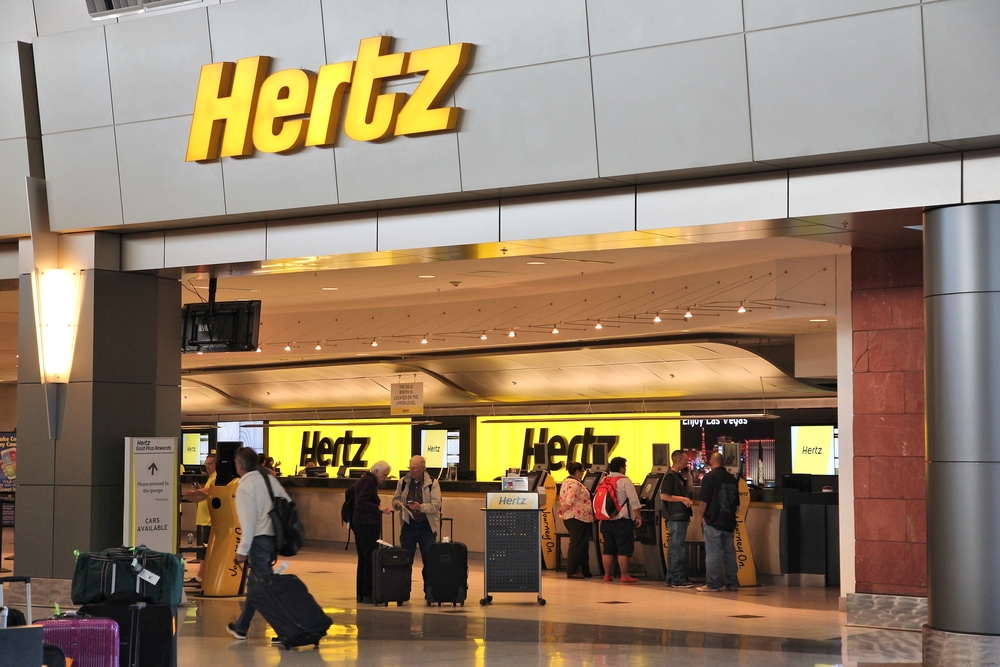
A securities class action lawsuit is targeting Hertz Global Holdings (NASDAQ: HTZ), alleging the car rental giant misled investors about its financial health. AP News reports that investors who bought Hertz stock between February 28, 2024 and February 25, 2026 may be eligible to join the case and recover losses.
The lawsuit, announced July 24, 2026 by San Diego-based law firm Robbins LLP, claims Hertz made false or misleading statements about its business and finances during that two-year window. At the heart of the case: allegations that the company's cash position was quietly collapsing.
Hertz Allegedly Hid a Rapidly Deteriorating Cash Crisis
The complaint claims Hertz's liquidity — meaning the cash it had on hand — was shrinking fast. According to AP News, the company did not have enough money to fund its operations and debts for the next 12 months. To survive, the lawsuit alleges, Hertz would have had to turn to distressed, dilutive financing.
Dilutive financing means issuing new shares to raise cash. That shrinks the value of existing shares. The lawsuit says Hertz hid this risk from investors rather than disclosing it clearly. Shareholders who bought stock during the class period may have paid prices that did not reflect the true danger.
Class Period Spans Two Years of Alleged Misstatements
The class period runs from February 28, 2024 through February 25, 2026. Any investor who bought or acquired Hertz common stock during those roughly two years may qualify. BDT Online notes the lawsuit covers statements Hertz made about its business, operations, and financial condition throughout that stretch.
Securities class actions work by grouping many investors together into one lawsuit. A court appoints a lead plaintiff — one investor who represents all class members. That lead plaintiff guides the case on behalf of everyone who suffered losses during the same period.
How Investors Can Join or Learn About the Case
Robbins LLP is inviting affected shareholders to come forward. Investors do not need to have sold their shares to participate. Caledonian Record notes that those who suffered losses during the class period may have legal rights under federal securities laws, which are designed to protect investors from corporate fraud.
Interested investors can contact Robbins LLP directly for information about the case and their options. There is typically a deadline — called a lead plaintiff deadline — by which investors must act if they want to be considered to lead the class. Missing that window does not necessarily bar someone from joining the broader class.
Hertz Has Struggled Financially Since Its 2020 Bankruptcy
This lawsuit is the latest financial turbulence for Hertz. The company filed for bankruptcy in May 2020 after the COVID-19 pandemic crushed travel demand. It emerged from bankruptcy in 2021 but has since battled high debt, a costly bet on electric vehicles, and falling used-car prices that hurt its fleet value.
Those pressures have squeezed Hertz's margins for years. A company that cannot cover its costs without emergency fundraising is a serious red flag for investors. The lawsuit argues Hertz knew about these dangers and chose not to disclose them honestly to the market during the two-year class period.
Sentiment
NeutralNEGATIVENEUTRALPOSITIVE
Publishers
4
Articles
4
Reach
4
A
AnonymousAuthor


