Non-Profit Merchandising Revolutionized
Hoodies for Good launches new e-commerce model, reducing costs for non-profit merchandise
Anonymous
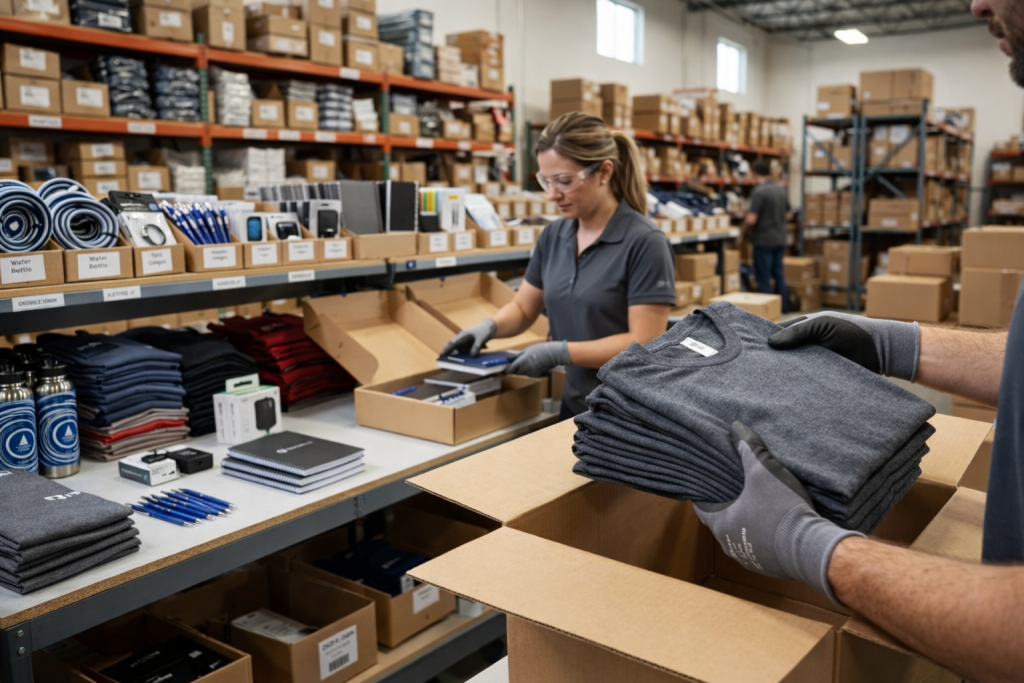
An Australian social enterprise called Hoodies for Good has launched a print-on-demand platform that lets non-profits sell custom apparel without spending a cent upfront. The platform handles everything — design tools, payments, production, shipping, and customer support — while automatically sending 20% of every sale to the chosen charity, according to The Whig and Fairview Post.
The Melbourne-based platform was built to solve a common problem for charities: merchandise campaigns often stall because they require money and staff time that most non-profits simply don't have, Brantford Expositor reported.
No Upfront Costs and No Inventory Headaches
Traditional merchandise campaigns force charities to buy stock in bulk, store it, and manage orders themselves. Hoodies for Good removes all of that. Non-profits get their own online storefront with no financial outlay required. Items are only produced after a customer places an order, so there is no unsold stock sitting in a warehouse, according to Cochrane Times Post.
The platform covers the entire operational pipeline. That includes digital design interfaces, secure payment processing, production, and logistics. Customer support is also handled by Hoodies for Good, not the charity. This means a non-profit can run a merchandise campaign with zero administrative burden, Owen Sound Sun Times reported.
20% Commission Goes Straight to the Charity
Every purchase made through the platform triggers an automatic 20% donation from the gross sale price to the selected non-profit. The process is built into the payment system, so charities don't need to chase funds or reconcile accounts manually. The donation happens without any extra steps, Hanna Herald reported.
This model gives registered non-profits a new revenue stream they can set up quickly. Because the commission is automatic, it also reduces the risk of accounting errors or delayed transfers that can complicate fundraising efforts, according to Goderich Signal Star.
Founder Built Platform to Fix Non-Profit Bottlenecks
Ben Hoban, the founder of Hoodies for Good, created the platform after seeing how often non-profits stall on good ideas. Operational inefficiencies — not lack of passion — were the main roadblock. His goal was to build infrastructure that removes those barriers entirely, The Observer reported.
Hoban's model is decentralized, meaning each non-profit gets its own storefront that operates independently. There is no central warehouse and no shared inventory. Each order is fulfilled on demand. This keeps costs low and scales easily as more charities join the platform, according to Fairview Post.
A New Fundraising Model for the Charity Sector
Print-on-demand e-commerce is not new, but applying it specifically to the non-profit sector as a structured revenue tool is a distinct move. Hoodies for Good targets the gap between a charity's mission and its ability to execute commercial activity, Brantford Expositor noted.
The platform is currently available to registered non-profit organizations in Australia. By outsourcing the full commercial operation, charities can focus on their core work while still generating income from merchandise sales. It positions custom apparel as a low-risk, ongoing fundraising channel rather than a one-off campaign, according to The Whig.
Sentiment
NeutralNEGATIVENEUTRALPOSITIVE
Publishers
8
Articles
8
Reach
8
A
AnonymousAuthor


