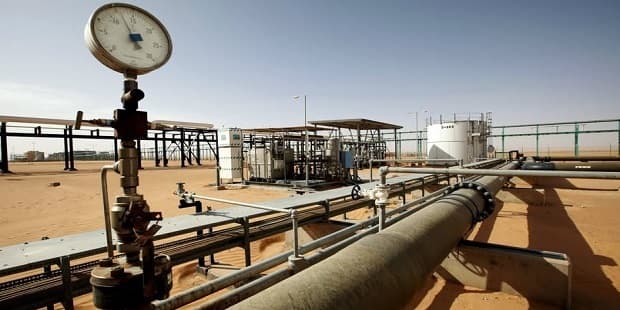
Ima Gas Field Investment
TotalEnergies and AMNI Approve $800 Million Investment for Offshore Ima Gas Field
Anonymous
Key Points
1
AMNI holds a 60% majority interest in the Ima project, while TotalEnergies is the 40% operator; TotalEnergies also holds a 15% stake in Nigeria LNG.
2
The Ima field was discovered in 1973 but remained undeveloped for more than five decades before the investment decision was reached.
3
At peak production, Ima’s 350 million cubic feet per day is equivalent to more than 60,000 barrels of oil equivalent per day.
4
The project is designed to use electricity supplied from shore, alongside a simplified platform, to reduce emissions; TotalEnergies also said all key contractors would be local companies.
5
President Bola Tinubu said the government introduced incentives specifically intended to unlock long-delayed onshore and shallow-water gas projects by reducing development costs and timelines and giving investors greater certainty.
TotalEnergies and Nigerian partner AMNI have approved an $800 million investment to develop the Ima offshore gas field, a project discovered over 50 years ago but never built until now. Majorwaves Energy Report reports the field will produce 350 million cubic feet of gas daily starting in 2028, supplying roughly one-third of the feedstock needed for Nigeria LNG's Train 7 expansion and creating jobs in Niger Delta communities.
President Bola Tinubu called the decision proof that Nigeria's recent oil and gas reforms work. AIT reports Tinubu said the project shows what happens when government creates a "competitive, predictable and enabling environment" for investment. The field sits in shallow waters near Bonny Island and will use electricity from shore to cut emissions and eliminate routine gas flaring.
A Field Locked Away for Five Decades
The Ima gas field was discovered in 1973 but remained untouched for more than 50 years. High development costs and weak government incentives made the project uneconomical. OGJ notes that AMNI International holds a 60% stake while TotalEnergies operates the field with 40% ownership. The company already owns 15% of Nigeria LNG, the liquefaction plant that will buy Ima's gas.
Recent policy shifts unlocked the investment. Nigeria's 2021 Petroleum Industry Act and President Tinubu's 2024 executive orders cut taxes and reduced red tape for non-associated gas projects—natural gas that sits above oil reservoirs. These reforms made Ima financially viable after decades of false starts.
Feeding Nigeria's Liquefaction Plant Expansion
Nigeria LNG plans to add a new production unit—called Train 7—that will boost the plant's capacity from 22 million to 30 million metric tons of liquefied natural gas annually. Webwire reports that Ima will supply about one-third of the gas needed for this expansion. At peak output, the field produces 350 million cubic feet per day, equivalent to over 60,000 barrels of oil equivalent daily.
Jobs and Local Content Drive Local Support
The project promises substantial benefits for Niger Delta communities. All major engineering and construction contracts go to Nigerian firms, and roughly 60% of workers will come from host communities like Bonny, Finima, and Andoni. Real News Magazine reports that the Federal Government highlighted the investment as a sign of renewed confidence in Nigeria's oil and gas sector.
Nigerian banks also win big. Access Bank, Zenith Bank, UBA, and GTBank arranged 75% of project financing alongside international lenders like Standard Chartered and First Abu Dhabi Bank. This mix keeps capital and profits circulating within Nigeria rather than flowing entirely overseas.
Low Emissions Design Sets New Industry Standard
TotalEnergies designed Ima as one of the industry's cleanest offshore gas projects. Webwire reports the field uses electricity supplied from shore to power equipment, eliminating the need for onsite generators that burn fuel. There will be no routine gas flaring, and drones will continuously monitor methane leaks—a major greenhouse gas.
Nicolas Terraz, TotalEnergies' President of Exploration & Production, said the project "demonstrates again our ability to unlock new low-cost and low-emissions gas resources." The company followed the same model with its Ubeta gas field, sanctioned in 2024. Both projects reflect Nigeria's shift toward environmentally responsible energy development while meeting global climate goals.
Sentiment
Mostly PositiveNEGATIVENEUTRALPOSITIVE
Publishers
31
Articles
38
Reach
69
A
AnonymousAuthor