Fed Holds Rates
Federal Reserve Holds Rates, Williams Projects Gradual Inflation Ease Amid Persistent Price Pressures
Anonymous
Key Points
1
The Fed's preferred inflation gauge rose 3.7% year over year in June, underscoring that price pressures remain persistent even as inflation is expected to ease.
2
At the last FOMC meeting, three policymakers — Cleveland Fed President Beth Hammack, Minneapolis Fed President Neel Kashkari, and Lorie Logan — dissented, arguing for a rate hike now to prevent inflation from becoming entrenched amid ongoing supply shocks.
3
Williams offered a personal forecast that inflation should decline in the second half of this year and continue to ease next year, signaling a gradual path toward the 2% goal.
4
External risks, including renewed conflict in the Middle East, could cloud the outlook by adding energy costs and trade frictions that influence the inflation trajectory.
5
Williams publicly stressed strong support for the Fed's decision to hold the federal funds rate at 3.50%–3.75%, while keeping the option to act if disinflation stalls.
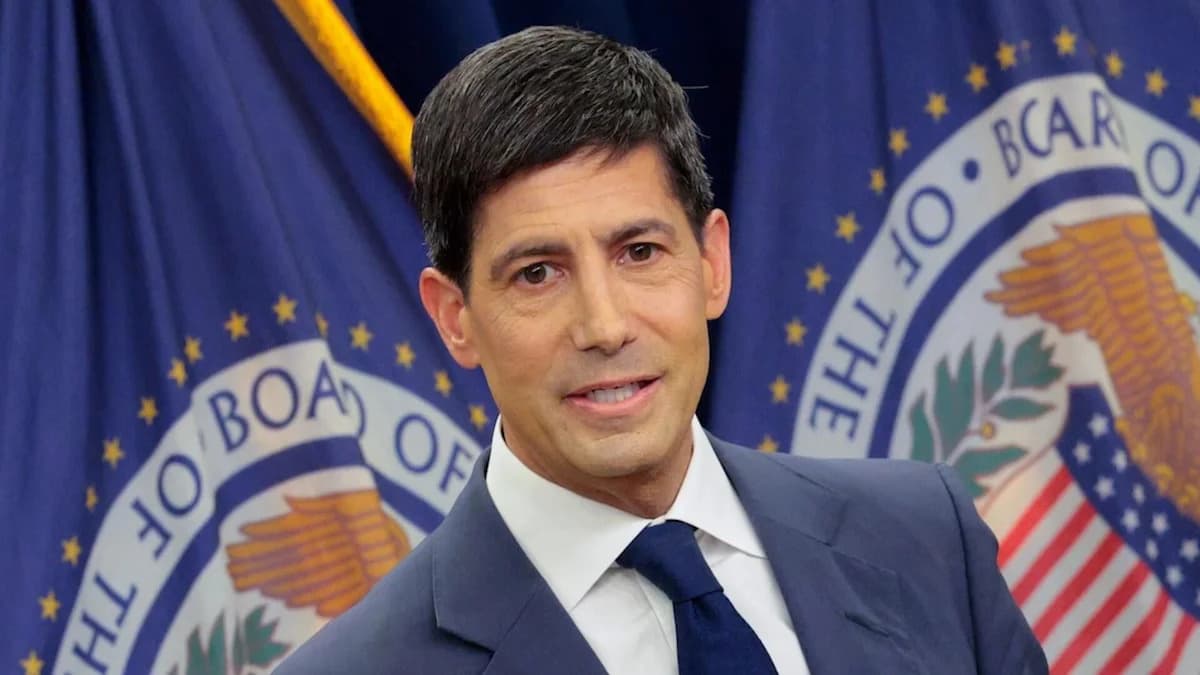
New York Fed President John Williams said inflation should begin falling in the second half of this year and keep easing into next year — but warned the Fed is ready to raise rates if that does not happen. Benzinga reported that Williams sees inflation turning a corner, even as the Fed's preferred price gauge rose 3.7% year over year in June. The federal funds rate currently sits at 3.50% to 3.75%.
Williams said energy prices and tariffs have likely peaked, which should let disinflationary forces take hold again. Bloomingbit noted that he called the current rate stance "well positioned" to bring inflation back to the Fed's 2% target — though he stressed the central bank is watching the data closely before making any moves.
Three Fed Officials Push for a Rate Hike Now
Not everyone at the Fed agrees with holding steady. At the last Federal Open Market Committee meeting, three policymakers voted to raise rates immediately. Those dissenters were Cleveland Fed President Beth Hammack, Minneapolis Fed President Neel Kashkari, and Lorie Logan. Archynetys reported they argued that waiting risks letting inflation become entrenched, especially with ongoing supply shocks still pushing prices up.
Their dissent shows a real split inside the Fed. Most officials want to hold and watch the data. But the three dissenters believe patience could backfire if inflation proves stickier than Williams expects. The debate is likely to sharpen with each new inflation reading.
Williams Looks Past Oil Spike, Zeroes In on Core Prices
Williams is not ignoring the recent jump in energy costs — he is just not letting it drive policy. ActionForex reported that he is focused on core inflation, which strips out volatile food and energy prices. His view is that the oil spike is temporary, and that underlying price pressures are on a downward path.
Still, Williams flagged real risks on the horizon. A renewed conflict in the Middle East could push energy prices higher again, adding to trade frictions that complicate the inflation outlook. He did not rule out those risks — he just does not think they will derail the broader trend toward lower inflation.
The Long Road Back to 2% Inflation by 2028
Williams offered a cautious personal forecast. He expects inflation to ease gradually, with the 2% target in reach by 2028. International Business Times reported that he promised action if easing does not happen on its own — meaning a rate hike remains on the table if the disinflationary path stalls. That is not a small caveat: the Fed's preferred gauge is still running at 3.7%, well above target.
The 2028 timeline is a long runway. It tells markets that the Fed is not rushing to cut rates and is equally not rushing to hike. Williams summed up the stance as data-driven patience — act if forced to, but hold if the trend cooperates.
Markets Wait for Data Before Pricing In Rate Cuts
Investors are not yet betting on rate cuts. The Fed has made clear that easing policy depends on sustained price declines — not just one or two softer readings. Bloomingbit noted that Williams explicitly wants to see inflation moving consistently lower before the Fed shifts its stance. Any talk of cuts remains firmly contingent on the numbers.
The next few months of inflation data will be critical. If energy prices stay calm and core inflation dips, the case for patience grows stronger. If prices reaccelerate, the three dissenting Fed officials could find more colleagues joining their call for a hike. Either way, the Fed has made clear it will not be caught off guard.
Sentiment
Mostly NegativeNEGATIVENEUTRALPOSITIVE
Publishers
14
Articles
90
Reach
104
A
AnonymousAuthor