Federal Reserve Rate Hike
Federal Reserve Raises Benchmark Interest Rate to 4% to Combat Persistent Inflation
Anonymous
Key Points
1
The rate increase was approved unanimously in a 12-0 vote by the Federal Open Market Committee.
2
Officials raised their inflation forecasts: headline inflation is now projected at 3.7%, up from 3.6%, while core inflation is projected at 3.4%, up from 3.3%.
3
The August Consumer Price Index showed core prices rising 0.3% from the previous month, accelerating from the prior two months and exceeding the 0.2% pace some policymakers want to see before concluding inflation is easing on its own.
4
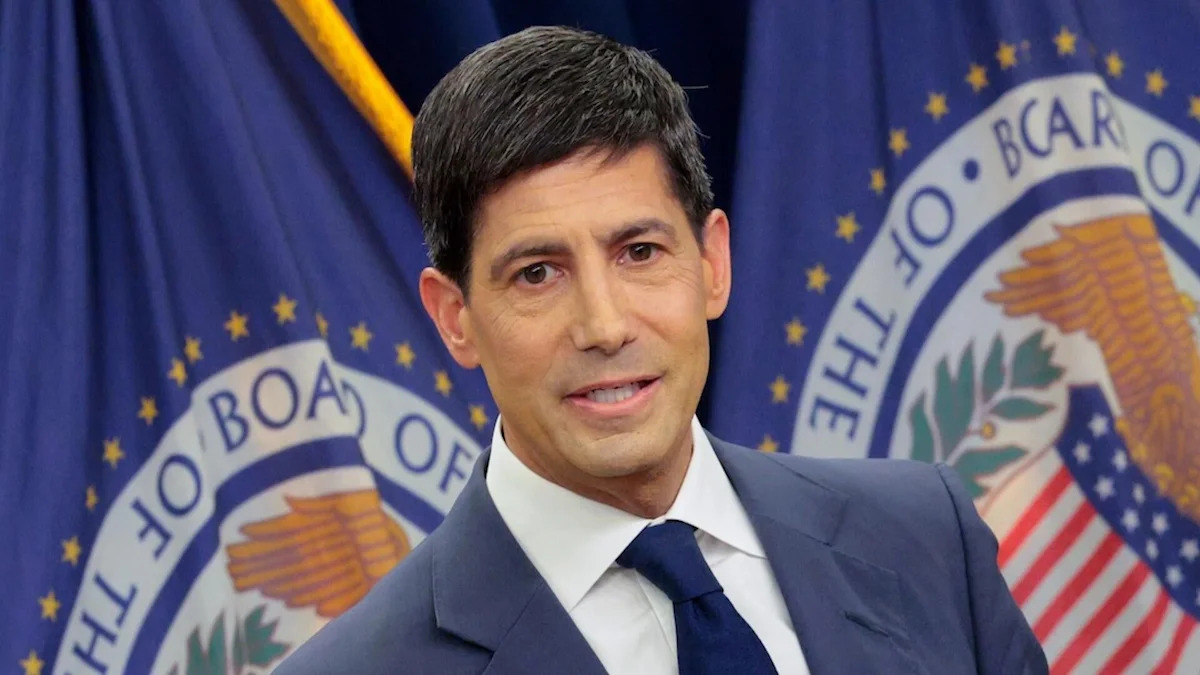
Fed Chair Kevin Warsh said policymakers have “no tolerance for persistently elevated inflation,” while consumer-finance analyst Matt Schulz cautioned that a single quarter-point increase would probably have little effect unless followed by additional hikes.
5
The market reaction was brief: the Dow fell about 86 points immediately after the announcement but recovered to nearly unchanged within minutes, while the dollar index rose roughly 0.18% over four minutes; the Nasdaq’s gain was already largely in place before the decision.
The Federal Reserve raised its benchmark interest rate by a quarter point to 3.75%–4% on Wednesday, marking its first increase since July 2023. DW reported the move aims to combat inflation that remains stubbornly above the central bank's 2% target. All 12 voting members approved the decision unanimously, signaling strong agreement that higher rates are necessary to cool prices.
The hike will make borrowing more expensive for mortgages, auto loans, and credit cards, while offering modest gains for savers. RTTNews noted policymakers signaled they may raise rates once more this year. Inflation is not expected to return to 2% until after 2028, far longer than the Fed initially hoped.
Why the Fed Decided to Raise Rates Now
Core inflation accelerated sharply in August, jumping to 0.3% month-over-month — the fastest pace in two months. RTTNews confirmed the Federal Reserve raised rates to address this stubborn price growth. Fed Chair Kevin Warsh stated the Fed has "no tolerance for persistently elevated inflation," signaling a hardline stance against delayed action.
The FOMC revised its inflation forecasts upward. Headline inflation is now projected at 3.7%, up from 3.6%, while core inflation rose to 3.4% from 3.3%. Economic growth remains solid at 2.3%, and unemployment is expected to fall to 4.1%, leaving little room for the Fed to pause rate hikes.
Markets Stumble Then Recover From the Announcement
Stock indexes fell sharply after the Fed's 2 p.m. announcement. Yahoo Finance reported the Dow dropped roughly 86 points immediately before recovering to nearly unchanged within minutes. The dollar index rose 0.18% in the minutes following the decision, reflecting investor expectations for higher U.S. borrowing costs.
The initial sell-off proved short-lived. Broader equity gains were largely in place before the rate decision itself, suggesting investors had already priced in the likelihood of a hike. Financial volatility eased once the announcement concluded and Chair Warsh's comments clarified the Fed's path forward.
Higher Costs for Borrowers, Small Gains for Savers
A quarter-point increase will have limited immediate impact on household budgets. LendingTree analyst Matt Schulz cautioned that one hike alone probably won't shift consumer behavior unless followed by additional increases. However, families already struggling with high credit card debt and adjustable-rate mortgages will feel pressure.
Savers will see modest relief. High-yield savings accounts and certificates of deposit will offer slightly better returns. Retirees living on fixed income benefit from higher yields on bonds and Treasury securities. Yet savers hoping for dramatic rate cuts will have to wait until 2028, when inflation finally cools to 2%.
Trump's Calls for Lower Rates Fall on Deaf Ears
President Donald Trump nominated Chair Warsh expecting a more dovish monetary policy. OAOA noted the rate increase defies Trump's public demands for cuts, with the president calling for the U.S. to have the "LOWEST RATE of any country in the World." The Fed's unanimous vote signals Warsh will not bend to political pressure.
The FOMC's dot plots reveal one more quarter-point hike is likely before year's end, followed by a pause in 2027. This path keeps rates elevated for over a year longer than Trump would prefer. The Fed has framed independence from political pressure as essential to credible inflation-fighting, even when it displeases the White House.
Sentiment
Mostly NegativeNEGATIVENEUTRALPOSITIVE
Publishers
28
Articles
195
Reach
223
A
AnonymousAuthor


