US Job Growth Stalls
US Unemployment Rises to 4.2% as Payrolls Stall in September
Anonymous
Key Points
1
The August payroll estimate was revised from 162,000 to 133,000 jobs, and the September report was described as the third-weakest jobs report of 2026.
2
Other labor indicators gave a mixed picture: ADP estimated that private employers added 90,000 jobs in September, while August data showed job openings, hires and terminations were relatively unchanged.
3
Alongside its benchmark-rate increase, the Dominican Republic’s central bank raised its one-day repo lending rate to 6.00% and its overnight deposit rate to 4.75%; the benchmark increase was its first since late 2022.
4
In Trinidad and Tobago, unemployment had fallen to 4.3% in the fourth quarter of 2025 before rising to 5.4% in the first quarter of 2026; the central bank said supplementary indicators showed worker demand continued to soften through July.
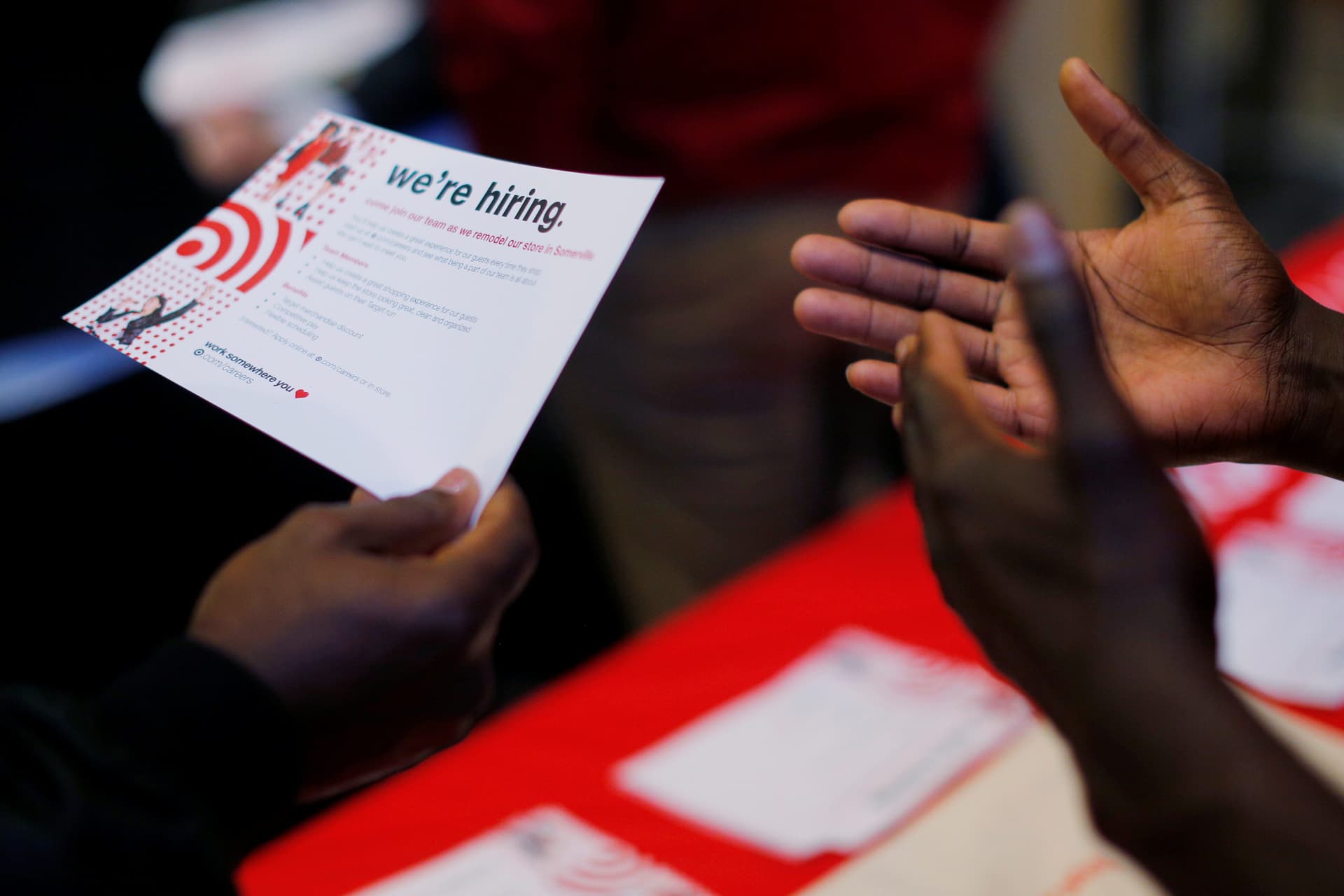
The US job market stalled sharply in September, with employers adding just 29,000 jobs while unemployment climbed to 4.2%, according to Bureau of Labor Statistics data. The weak payroll report—the third-weakest of 2026—marks a dramatic miss from forecasts and signals growing economic strain from the Iran war and stricter immigration enforcement.
August's jobs numbers were also revised downward, showing employers added 133,000 positions instead of the initially reported 162,000. The softening labor market may reduce pressure on the Federal Reserve to raise interest rates before November's midterms, with Nasdaq futures climbing on the news.
A Labor Market Under Strain
September's hiring collapse reflects deeper economic pressures. The Bulwark highlighted how immigration enforcement and tariffs have weakened employer confidence. Private-sector hiring also disappointed, with ADP estimating only 90,000 new jobs among private employers last month.
Mixed signals from other labor data complicate the picture. Job openings, hires, and terminations remained relatively flat in August, suggesting businesses have already trimmed their expectations. The unemployment rate's jump to 4.2% comes after months of relative stability, signaling the job market is now clearly slowing.
Dominican Republic Tightens Monetary Policy
The Dominican Republic's central bank raised its benchmark interest rate by 0.25 percentage points to 5.50%, marking its first increase since late 2022. The move targets persistent inflation pressures from oil prices and supply constraints while anchoring inflation expectations.
Alongside the benchmark increase, officials raised the one-day repo lending rate to 6.00% and the overnight deposit rate to 4.75%. These coordinated moves signal the central bank's determination to contain price growth despite slowing regional growth.
Trinidad and Tobago Faces Rising Joblessness
Trinidad and Tobago's unemployment jumped to 5.4% in the first quarter of 2026, up from 4.3% in the fourth quarter of 2025. The central bank held its policy rate steady at 3.50%, citing low inflation at just 0.6%, even as hiring demand softened.
Supplementary labor indicators showed worker demand continued to weaken through July, suggesting the weakness persists beyond the first quarter. The central bank's decision to maintain rates reflects confidence in price stability, though rising joblessness poses risks to future growth.
Sentiment
Mostly NegativeNEGATIVENEUTRALPOSITIVE
Publishers
26
Articles
78
Reach
104
A
AnonymousAuthor