U.S. Constitution Day, Week Marked Nationwide
U.S. Constitution Day, Week Marked Nationwide
Anonymous
Key Points
1
Under the Articles of Confederation, Congress lacked the ability to effectively raise money, regulate interstate commerce or conduct foreign policy without state cooperation. Shays’ Rebellion by Massachusetts farmers in 1786–1787 underscored the system’s weaknesses and helped spur calls for change.
2
Although the Philadelphia Convention was called to revise the Articles of Confederation, delegates instead designed an entirely new government. George Washington presided over roughly four months of negotiations over federal power, state representation and the division of authority.
3
The Daughters of the American Revolution campaigned for Constitution Day to become a national observance, and President Dwight D. Eisenhower signed legislation establishing it in 1956; the date remains an observance rather than a day off work.
4
Constitution Week observances can include bell-ringing ceremonies, historical displays and distribution of pocket-sized copies of the Constitution, with communities also displaying the document in public places.
September 17 marks Constitution Day, the anniversary of the 1787 signing of the U.S. Constitution in Philadelphia. Historical Sources Constitution Week runs September 17–23 with bell-ringing ceremonies, historical displays, and civic education events nationwide. Though widely observed, Constitution Day remains an observance rather than a federal holiday, so offices and schools stay open.
The Constitution created a three-branch government system after the Articles of Confederation proved too weak. Civic Education Under the old system, Congress couldn't collect taxes or regulate trade effectively. Shays' Rebellion in 1786–1787 exposed these failures and pushed delegates to write an entirely new framework.
A Failed System That Sparked Revolution
The Articles of Confederation gave the federal government almost no power. Historical Record Congress could not levy taxes, regulate interstate commerce, or conduct foreign policy without state approval. States often refused to cooperate, leaving the government broke and unable to act.
Shays' Rebellion showed the danger of this weakness. Constitutional History In 1786–1787, Massachusetts farmers led by Daniel Shays rebelled against debt collection. The central government could not send troops to stop them. This crisis convinced delegates that the entire system needed rebuilding, not just fixing.
Four Months of Debate in Philadelphia
On May 25, 1787, delegates from 12 states gathered in Philadelphia to revise the Articles. Washington's Leadership George Washington presided over negotiations on three major issues: how much power the federal government should have, how states should be represented in Congress, and how authority should divide between branches. They debated for nearly four months straight.
The delegates scrapped the Articles entirely and drafted a new Constitution instead. Constitutional Convention On September 17, 1787, 39 of 55 delegates signed the final document. It established the legislative, executive, and judicial branches and included protection for individual rights through the Bill of Rights, adopted in 1791.
Daughters of the Revolution Made It Official
Constitution Day was not a formal national observance until 1956. Historical Records The Daughters of the American Revolution launched a grassroots campaign to recognize September 17. President Dwight D. Eisenhower signed Public Law 915 on August 2, 1956, creating Constitution Week (September 17–23) as an annual observance.
In 2004, Congress strengthened the observance. Federal Law Senator Robert Byrd inserted an amendment into the Consolidated Appropriations Act requiring federally funded schools to teach the Constitution on Constitution Day. Byrd, known for carrying a pocket Constitution, believed Americans knew too little about their founding document.
Communities Celebrate With Bells and Ceremonies
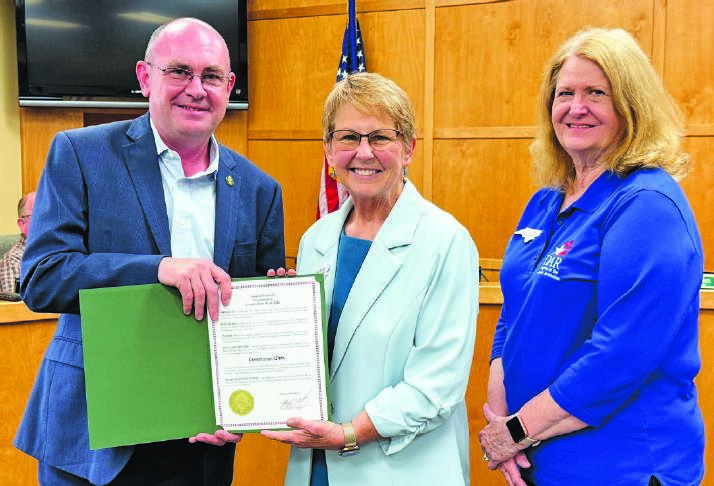
Constitution Week observances blend history, education, and community pride. Local Celebrations The Daughters of the American Revolution chapter in Dover, Delaware rings the USS Delaware bell at the Delaware Public Archives on September 17. Similar bell-ringing ceremonies happen in courthouses and churches across the country.
Schools distribute pocket-sized copies of the Constitution and display the document in public places. Community Events These events teach civics and remind citizens that the Constitution remains the foundation of American government. Yet only 54% of Americans can name the three branches of government, according to civic survey data, highlighting why education efforts matter.
Sentiment
Mostly NegativeNEGATIVENEUTRALPOSITIVE
Publishers
52
Articles
16
Reach
68
Topics
A
AnonymousAuthor


